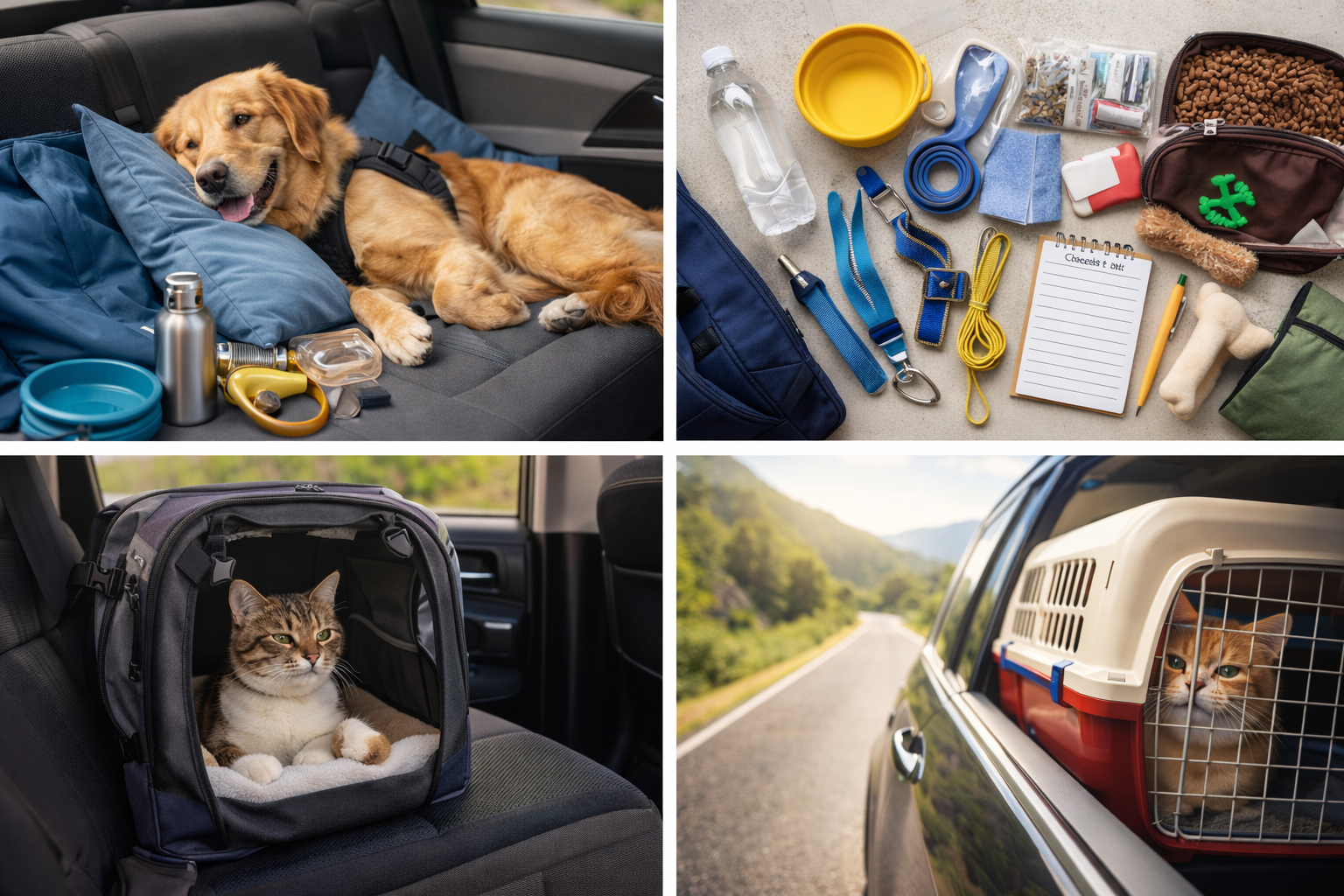
Long road trips can be exciting adventures—but when you’re traveling with a pet, preparation is everything. Whether you’re heading out for a family vacation or relocating across the country, your pet depends on you for safety, comfort, and routine. Forgetting even one essential item can turn a smooth journey into a stressful experience for both of you.
This pet travel checklist for long road trips will help you plan ahead, stay organized, and ensure your furry companion enjoys the ride as much as you do.
Why You Need a Pet Travel Checklist
Pets thrive on familiarity and routine. Long car journeys disrupt both, which can lead to anxiety, motion sickness, dehydration, or behavioral issues. A well-prepared checklist helps you:
- Avoid last-minute stress
- Keep your pet safe and secure
- Handle emergencies confidently
- Maintain your pet’s comfort and health
Think of this checklist as your pet’s suitcase—packed with everything they need to feel at home on the road.
1. Safety and Travel Restraints (Top Priority)
Before anything else, make sure your pet is properly secured in the vehicle.
Essentials:
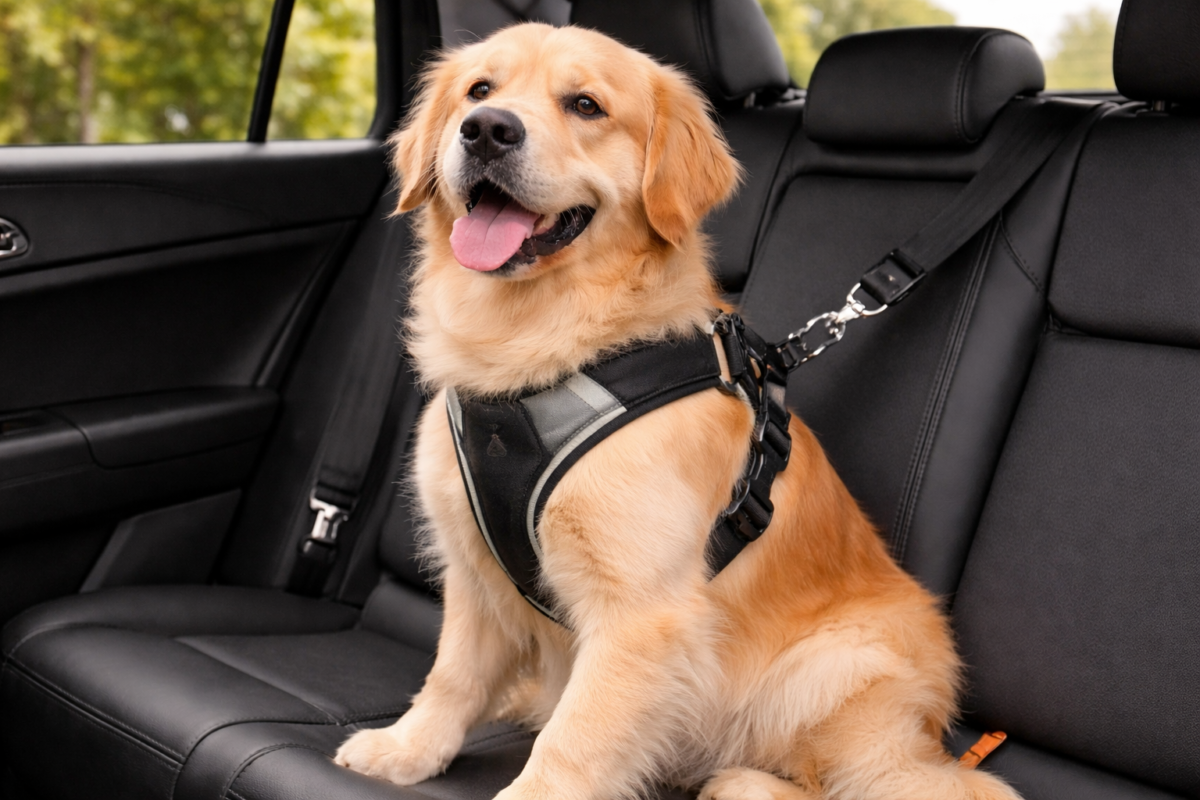
- Crash-tested pet seat belt or harness (for dogs)
- Secure travel crate or carrier (for dogs and cats)
- Car barrier for SUVs or hatchbacks
- Non-slip bedding inside crates or seats
Never allow pets to roam freely inside the car. In sudden stops or accidents, unrestrained pets can be seriously injured and may also endanger passengers.
2. Identification and Important Documents
If your pet gets lost during a stop or emergency, proper identification is critical.
Pack these items:
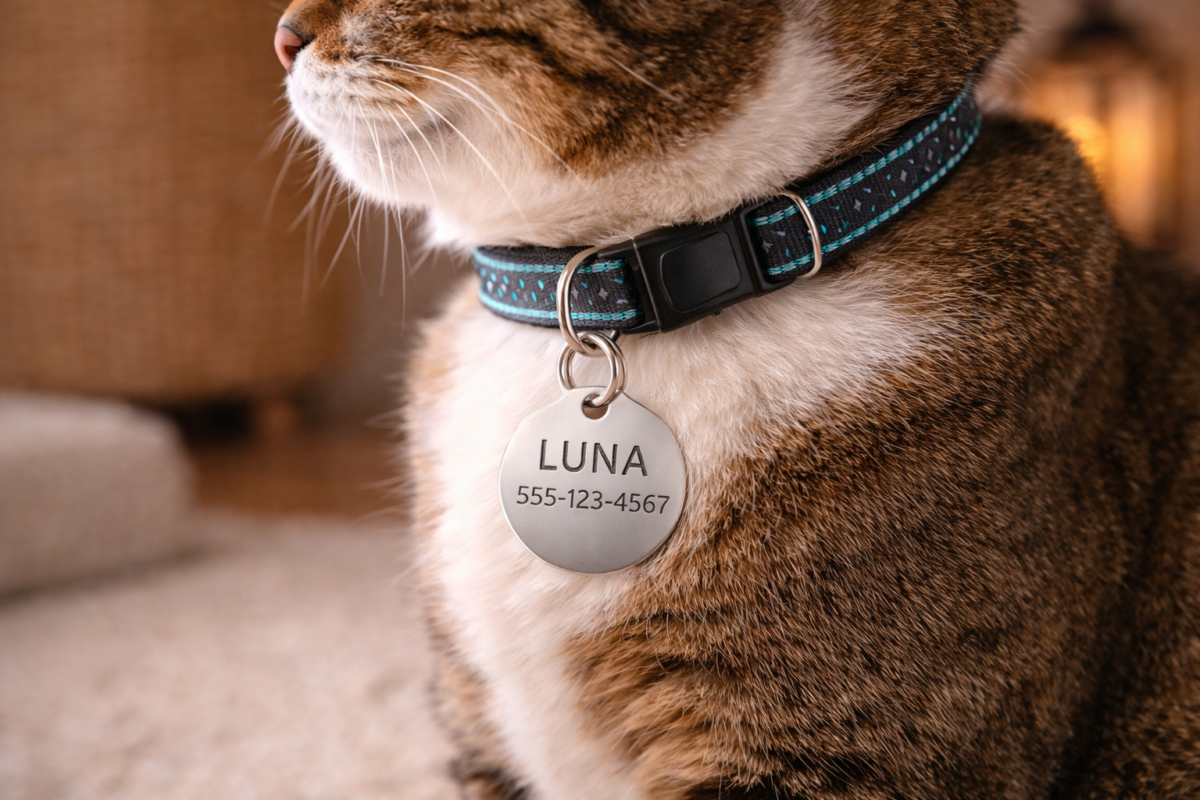
- Collar with updated ID tag
- Microchip registration details
- Recent photos of your pet (on your phone)
- Vaccination records
- Health certificates (especially for interstate or hotel stays)
Keep physical documents in a waterproof folder and digital copies on your phone for backup.
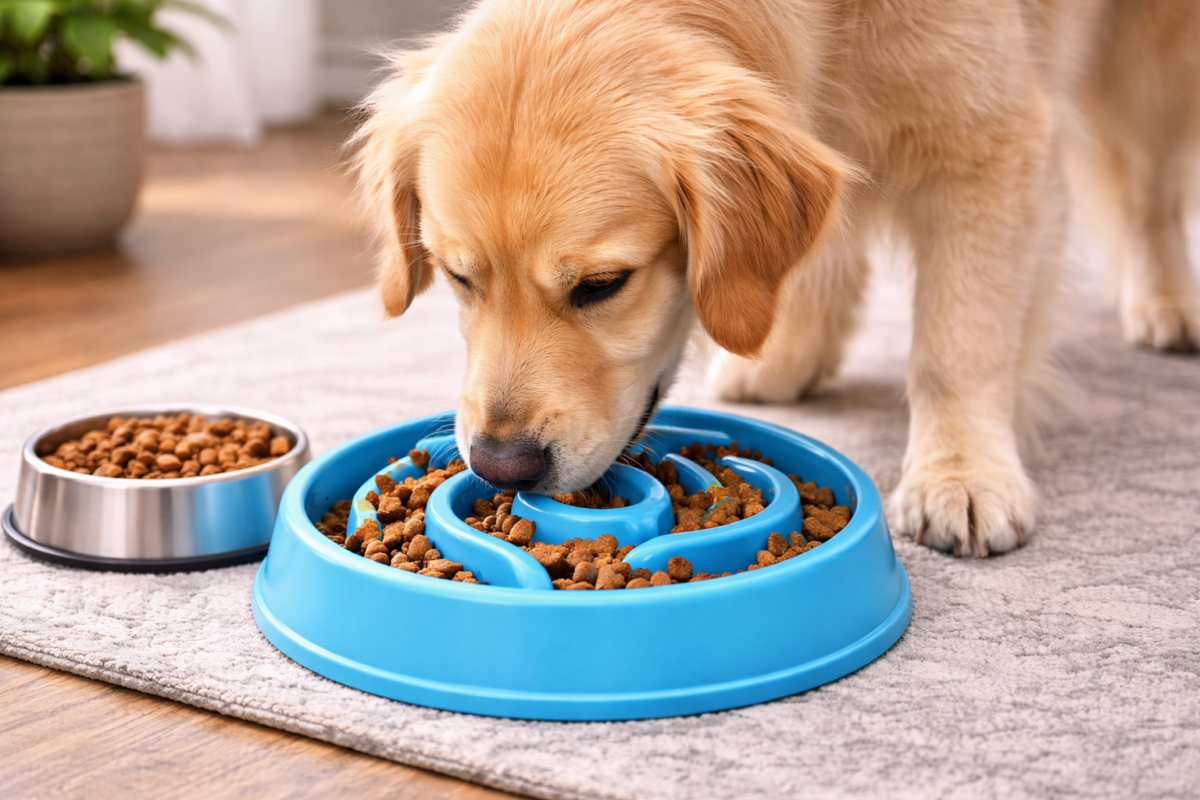
3. Food, Water, and Feeding Supplies
Sudden diet changes can upset your pet’s stomach, so stick to their regular food.
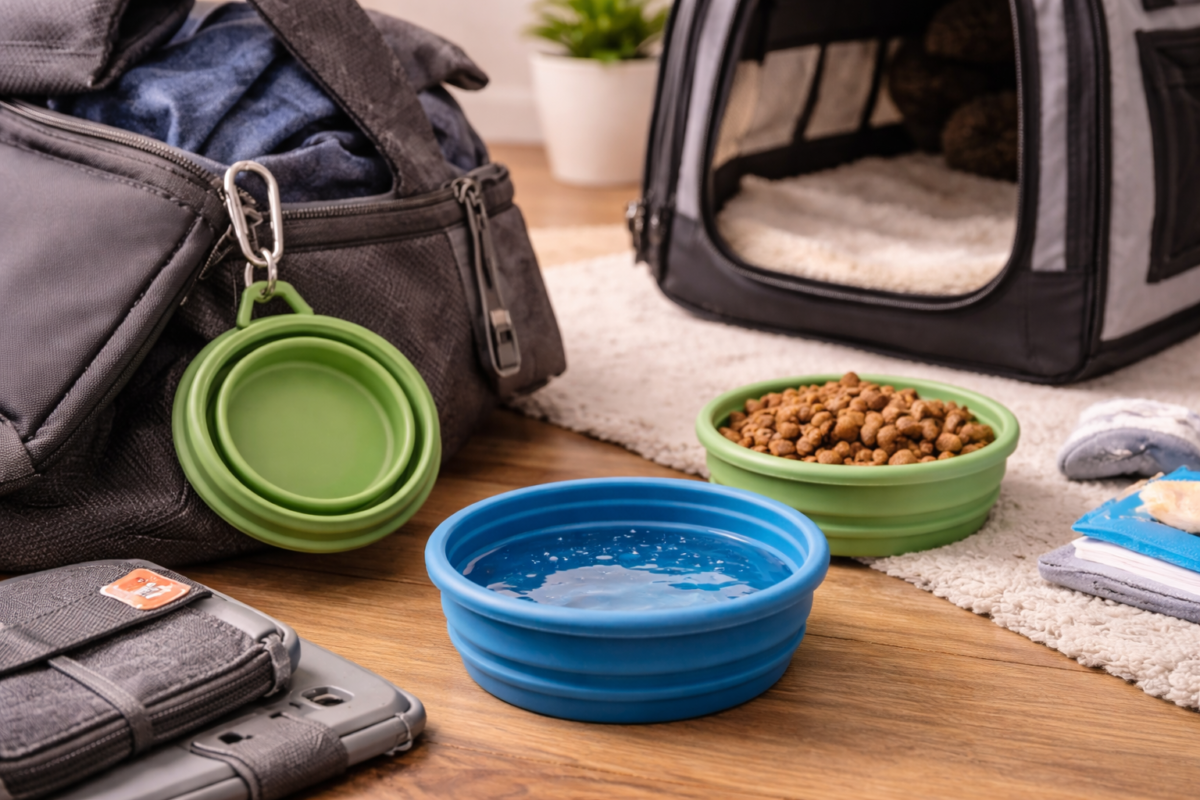
Food & hydration checklist:
- Enough pet food for the entire trip (plus extra)
- Bottled or filtered water (sudden water changes can cause stomach issues)
- Travel food container
- Collapsible or spill-proof bowls
- Treats for training and comfort
Feed smaller meals during travel and avoid feeding right before driving to reduce motion sickness.
4. Comfort Items for Stress Reduction
Familiar smells and objects help pets feel secure in new environments.
Comfort must-haves:
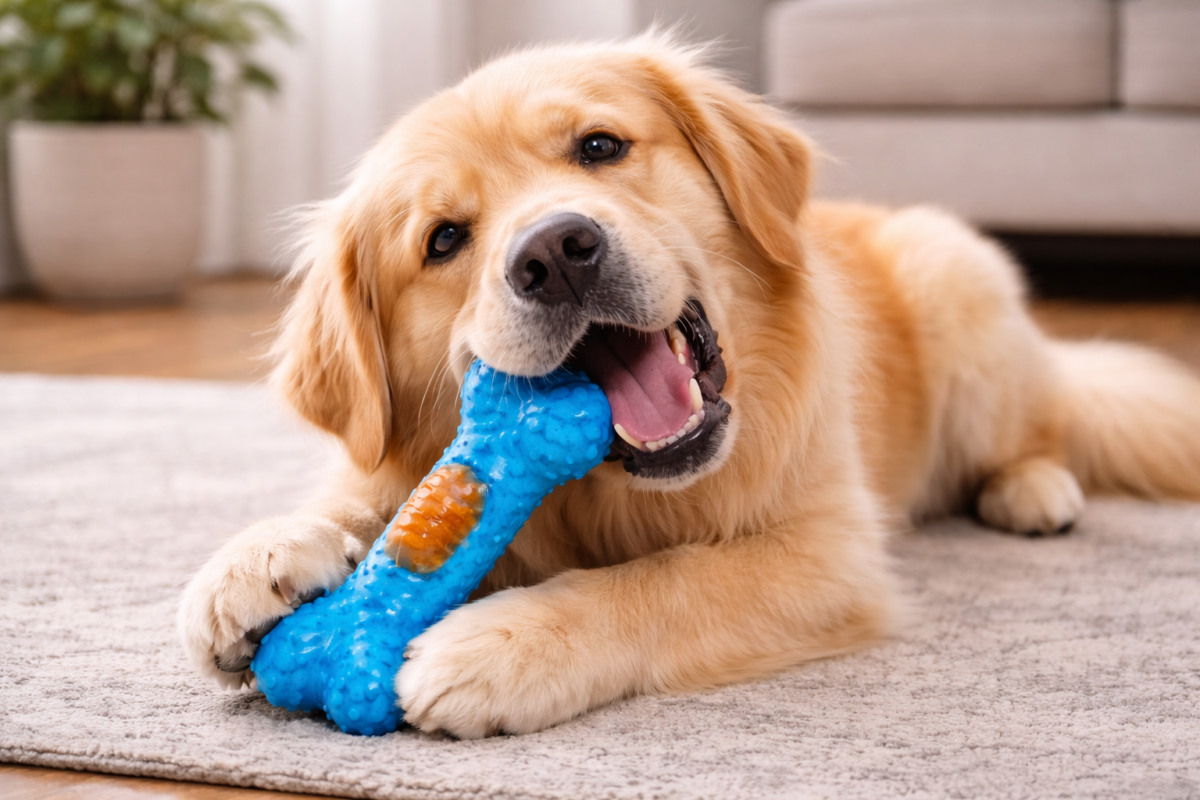
- Favorite blanket or bed
- Beloved toy or chew item
- Calming spray or pheromone diffuser
- Pet-safe seat cover or mat
These items can significantly reduce anxiety, especially for pets who are new to long car rides.
5. Health and First-Aid Essentials
Minor injuries or health issues can happen on the road, so being prepared is key.
Pet first-aid kit basics:
- Bandages and gauze
- Antiseptic wipes (pet-safe)
- Tweezers (for ticks or debris)
- Any prescribed medications
- Flea, tick, or heartworm preventatives
Also, research emergency veterinary clinics along your route and save their contact details.
6. Leash, Waste, and Clean-Up Supplies
Every stop is a potential adventure—and a responsibility.
Don’t forget:
- Sturdy leash and backup leash
- Harness (even if your pet wears a collar)
- Waste bags or litter supplies (for cats)
- Paper towels or pet wipes
- Enzyme cleaner for accidents
Always leash your pet when exiting the car, even in unfamiliar or quiet areas.
7. Temperature and Weather Preparedness
Cars can heat up or cool down quickly, making temperature control essential.
Be prepared with:
- Window shades for sun protection
- Cooling mat (for hot climates)
- Extra blankets (for cold weather)
- Portable fan (battery-operated)
Never leave your pet alone in a parked car, even for a short time.
8. Routine and Break Planning
Pets need breaks just like humans.
Plan ahead by:
- Scheduling stops every 2–3 hours
- Choosing pet-friendly rest areas
- Allowing time for walks, water, and bathroom breaks
- Maintaining feeding and walking routines as much as possible
Routine creates predictability, which helps pets stay calm during long trips.
9. Pet-Friendly Accommodation Planning
If your road trip includes overnight stays, preparation matters.
Before you leave:
- Book pet-friendly hotels in advance
- Confirm pet policies and fees
- Locate nearby parks or walking areas
- Bring a door sign indicating a pet is inside
This avoids last-minute stress and ensures your pet is welcome and comfortable.


 Accessories & Others
 Apparel
 Beds & Furniture
 Cages & Accessories
 Carriers & Strollers
 Doors, Gates & Ramps
 Flea & Tick Control
 Grooming
 Litter & Housebreaking
 Memorials & Funerary
 Accessories & Others
 Apparel
 Beds & Furniture
 Cages & Accessories
 Carriers & Strollers
 Cat Doors,Steps, Nets.
 Collars, Harnesses & leashes
 Flea & Tick Control
 Grooming
 Cages& Accessories
 Cow Mastitis Detectors
 Ear Tags
 Aquarium Accessories
 Aquarium Cleaners
 Aquarium Decor
 Aquarium Lights
 Aquarium Pumps & Filter
 Aquariums & Fish Bowls
 Automatic Feeders