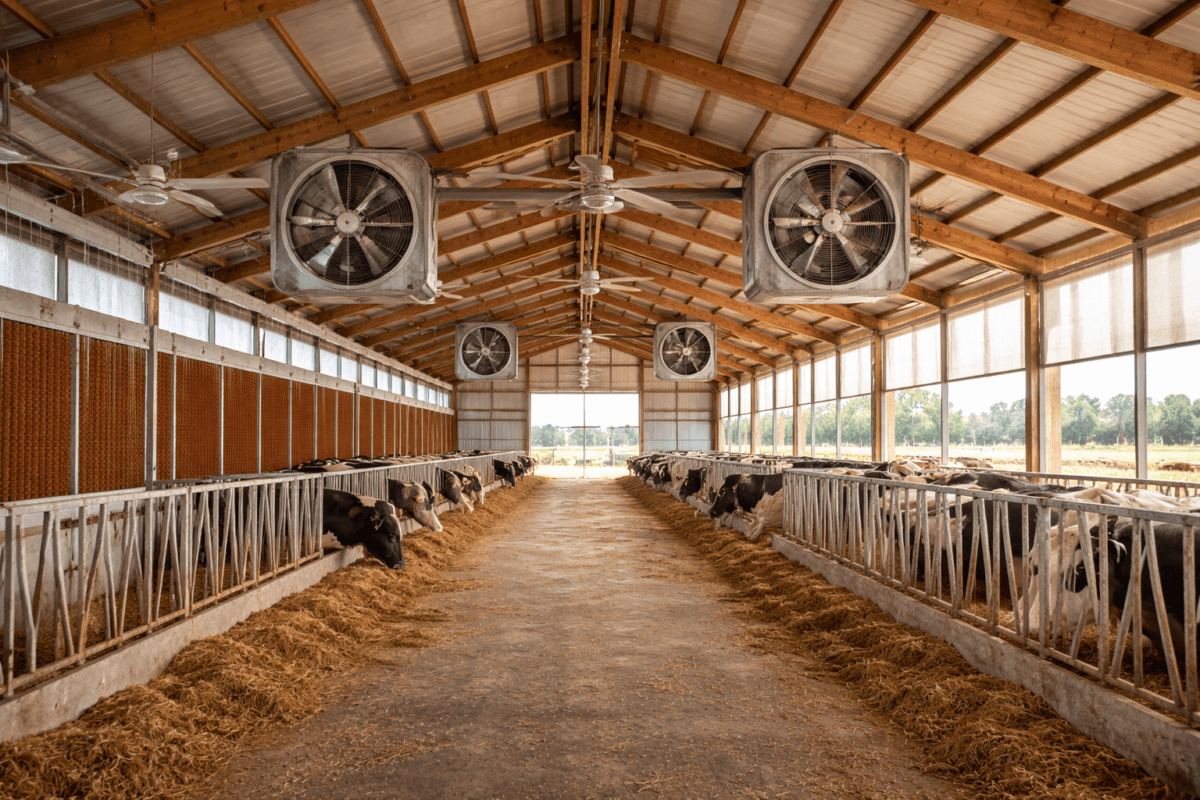
Proper grooming is often overlooked in farm animal care, yet it plays a crucial role in maintaining animal health, comfort, and productivity. Grooming goes far beyond keeping animals clean—it helps prevent disease, improves circulation, supports early health detection, and enhances overall well-being. Whether you raise cows, goats, sheep, or other livestock, regular grooming should be an essential part of your daily or weekly farm routine.
In this guide, we’ll explore how proper grooming improves farm animal health and why it is a valuable investment for both animals and farmers.
1. Promotes Better Skin and Coat Health
Healthy skin and coat condition are strong indicators of overall animal health.
- Removes dirt and debris: Brushing and washing remove mud, manure, and dust that can irritate skin.
- Prevents skin infections: Clean skin reduces bacterial and fungal growth.
- Improves circulation: Grooming stimulates blood flow, helping nutrients reach the skin and hair follicles.
Animals with clean, well-maintained coats are less prone to rashes, sores, and external parasites.
2. Helps Control Parasites
External parasites such as lice, ticks, mites, and flies can cause discomfort, disease, and weight loss.
- Early detection: Grooming allows farmers to spot parasites before infestations become severe.
- Reduced parasite load: Regular brushing and cleaning discourage parasites from settling on animals.
- Better treatment results: Identifying affected areas early makes treatments more effective.
Parasite control through grooming improves comfort and reduces the risk of disease transmission.
3. Supports Hoof and Foot Health
Hoof care is a vital part of grooming, especially for cows, goats, and sheep.
- Prevents infections: Cleaning hooves removes mud and manure that can harbor bacteria.
- Reduces lameness: Regular inspection helps catch cracks, overgrowth, or injuries early.
- Improves mobility: Healthy hooves allow animals to walk, graze, and feed comfortably.
Poor hoof health can lead to pain, reduced feeding, and lower productivity.
4. Enhances Early Disease Detection
Routine grooming provides an excellent opportunity for daily health checks.
- Spot injuries early: Cuts, swelling, or unusual lumps are easier to notice during grooming.
- Monitor body condition: Weight loss or muscle changes can be detected through touch.
- Identify abnormal behavior: Animals in pain may react differently during handling.
Early detection allows for quicker treatment and prevents minor issues from becoming serious problems.
5. Reduces Stress and Improves Mental Well-Being
Farm animals benefit mentally from regular, gentle handling.
- Builds trust: Calm grooming sessions help animals become more comfortable with human interaction.
- Reduces anxiety: Animals that are handled regularly tend to be less fearful.
- Improves handling safety: Calm animals are easier and safer to manage during feeding or medical care.
Lower stress levels strengthen the immune system and improve overall health.
6. Improves Hygiene and Farm Cleanliness
Groomed animals contribute to a cleaner farm environment.
- Less contamination: Clean coats reduce the spread of dirt and manure into shelters and feeding areas.
- Healthier housing: Grooming complements regular cleaning of bedding and stalls.
- Lower disease risk: Clean animals and clean housing work together to prevent infections.
Good hygiene benefits both animals and farm workers.
7. Boosts Productivity and Performance
Healthy, comfortable animals perform better in every aspect.
- Higher milk production: Dairy animals with clean udders and coats are less prone to mastitis.
- Better growth rates: Reduced parasite load and stress support healthy weight gain.
- Improved wool quality: Sheep grooming and shearing improve fleece cleanliness and value.
Proper grooming directly supports farm profitability.
8. Species-Specific Grooming Needs
Different animals require different grooming approaches.
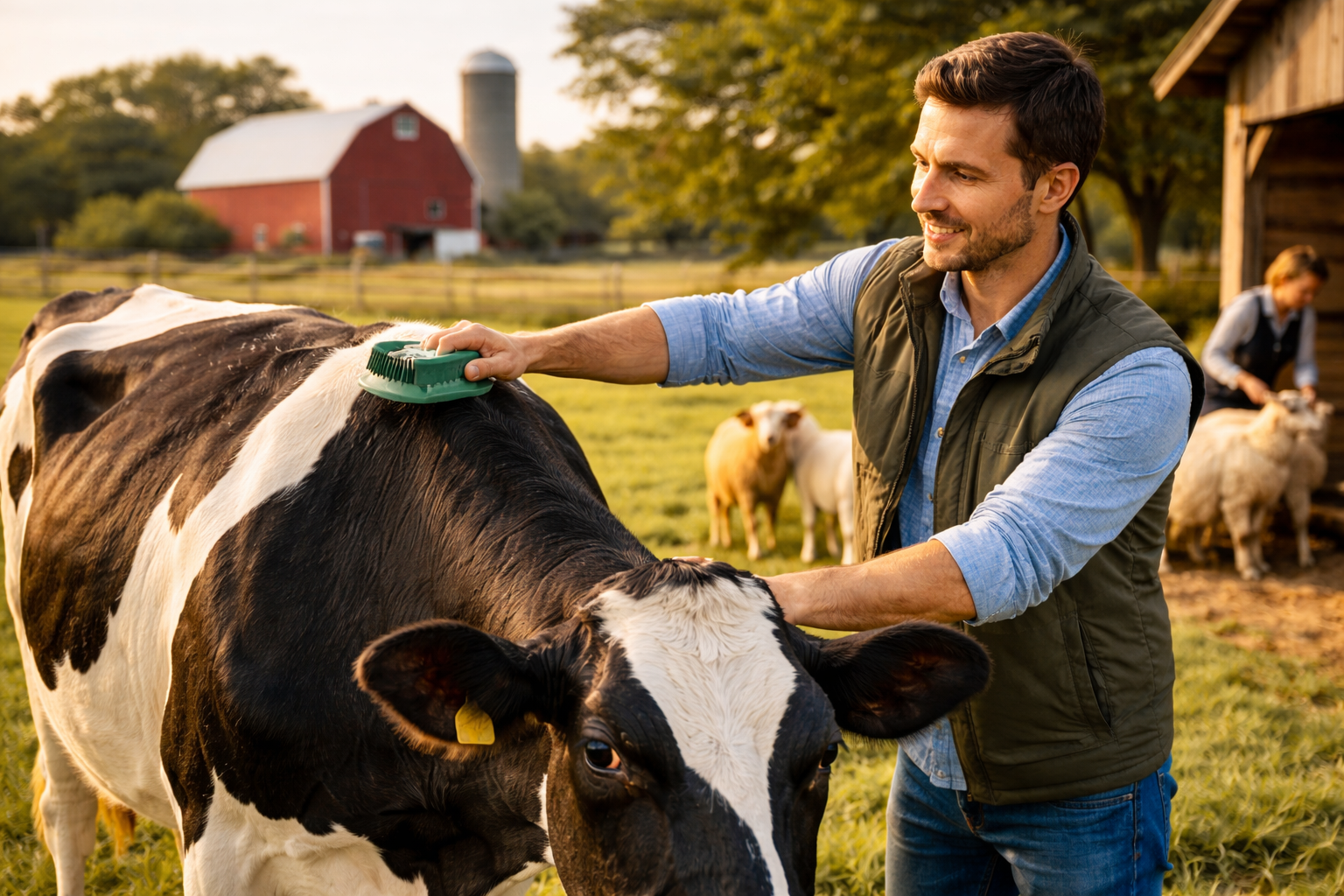
Cows
- Regular brushing improves coat condition and blood circulation
- Udder cleaning is essential for dairy cows
- Hoof trimming should be done as needed
Goats
- Benefit from brushing to remove loose hair and dirt
- Hoof trimming is crucial for mobility
- Long-haired breeds need more frequent grooming
Sheep
- Shearing prevents overheating and skin disease
- Regular inspection under wool helps detect parasites
- Hoof care is essential in wet or muddy conditions
Tailoring grooming routines ensures optimal care.
9. Establish a Consistent Grooming Routine
Consistency is key to effective grooming.
- Groom animals on a regular schedule
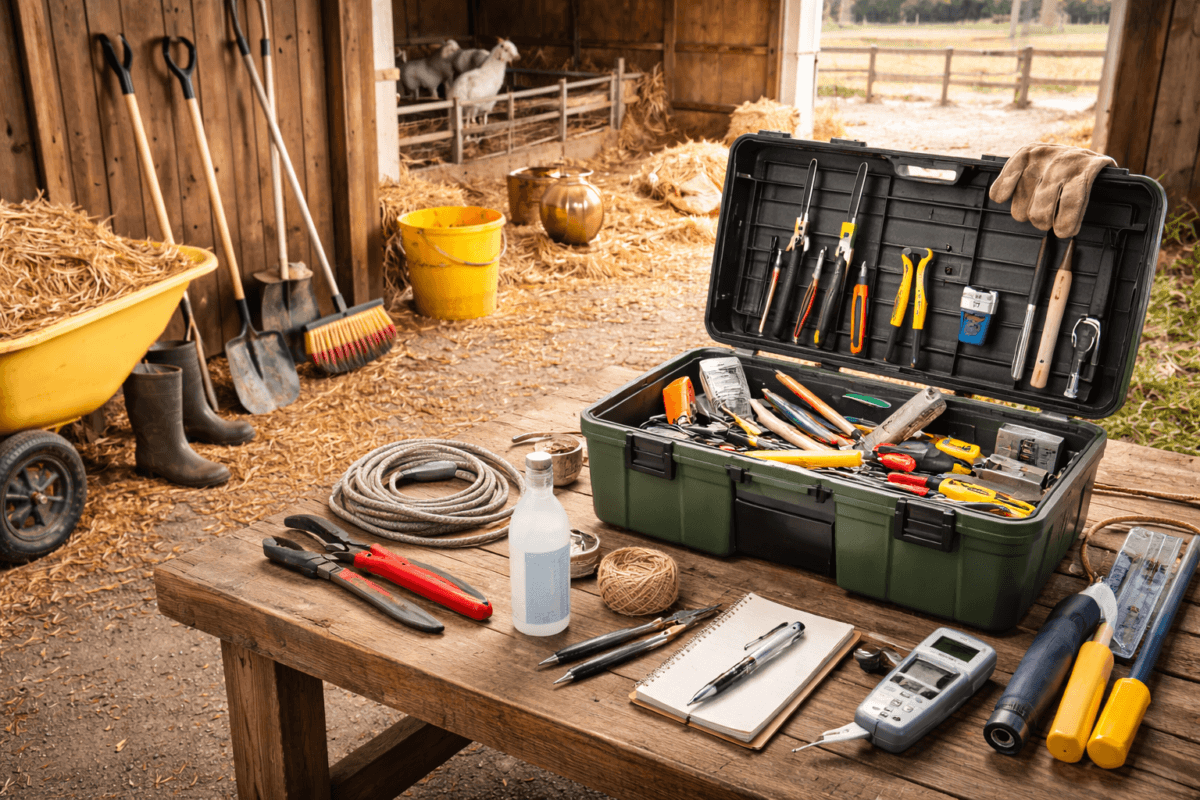
- Use clean, well-maintained tools
- Handle animals gently and calmly
- Keep records of health observations
Short, frequent grooming sessions are more effective than occasional intensive ones.
Final Thoughts
Proper grooming is a simple yet powerful way to improve farm animal health. By maintaining clean coats, healthy hooves, parasite control, and early disease detection, grooming supports both physical and mental well-being. It also enhances productivity, improves farm hygiene, and strengthens the bond between farmers and their animals.
When grooming becomes a regular part of livestock care, animals are healthier, calmer, and more productive—making it a practice that truly benefits everyone on the farm. 🐄🐐🐑


 Accessories & Others
 Apparel
 Beds & Furniture
 Cages & Accessories
 Carriers & Strollers
 Doors, Gates & Ramps
 Flea & Tick Control
 Grooming
 Litter & Housebreaking
 Memorials & Funerary
 Accessories & Others
 Apparel
 Beds & Furniture
 Cages & Accessories
 Carriers & Strollers
 Cat Doors,Steps, Nets.
 Collars, Harnesses & leashes
 Flea & Tick Control
 Grooming
 Cages& Accessories
 Cow Mastitis Detectors
 Ear Tags
 Aquarium Accessories
 Aquarium Cleaners
 Aquarium Decor
 Aquarium Lights
 Aquarium Pumps & Filter
 Aquariums & Fish Bowls
 Automatic Feeders