Parasites are one of the most common health challenges faced by farm animals. Internal parasites like worms and external parasites such as ticks, lice, and mites can weaken animals, reduce productivity, and increase disease risk. While chemical treatments are widely used, many farmers are now turning to natural parasite prevention methods to reduce chemical exposure, prevent resistance, and promote long-term animal health.
In this guide, we’ll explore how to prevent parasites in farm animals naturally using practical, proven strategies that support a healthier and more sustainable farm.
Why Natural Parasite Prevention Matters
Overreliance on chemical dewormers and pesticides can lead to parasite resistance, environmental contamination, and potential health risks for animals and humans. Natural prevention focuses on strengthening animals’ immune systems and disrupting parasite life cycles rather than relying solely on medication.
Benefits of natural parasite control include:
- Reduced chemical use
- Lower risk of parasite resistance
- Improved overall animal health
- Healthier soil and pasture ecosystems
Natural methods work best when combined into a consistent, long-term management plan.
1. Practice Rotational Grazing
Rotational grazing is one of the most effective natural parasite control strategies.
How It Helps:
- Breaks parasite life cycles
- Reduces reinfestation from contaminated pasture
- Improves pasture health
Best Practices:
- Move animals regularly to fresh grazing areas
- Allow pastures time to rest before reuse
- Avoid overgrazing, especially close to the ground where parasite larvae thrive
Healthy pastures mean healthier animals.
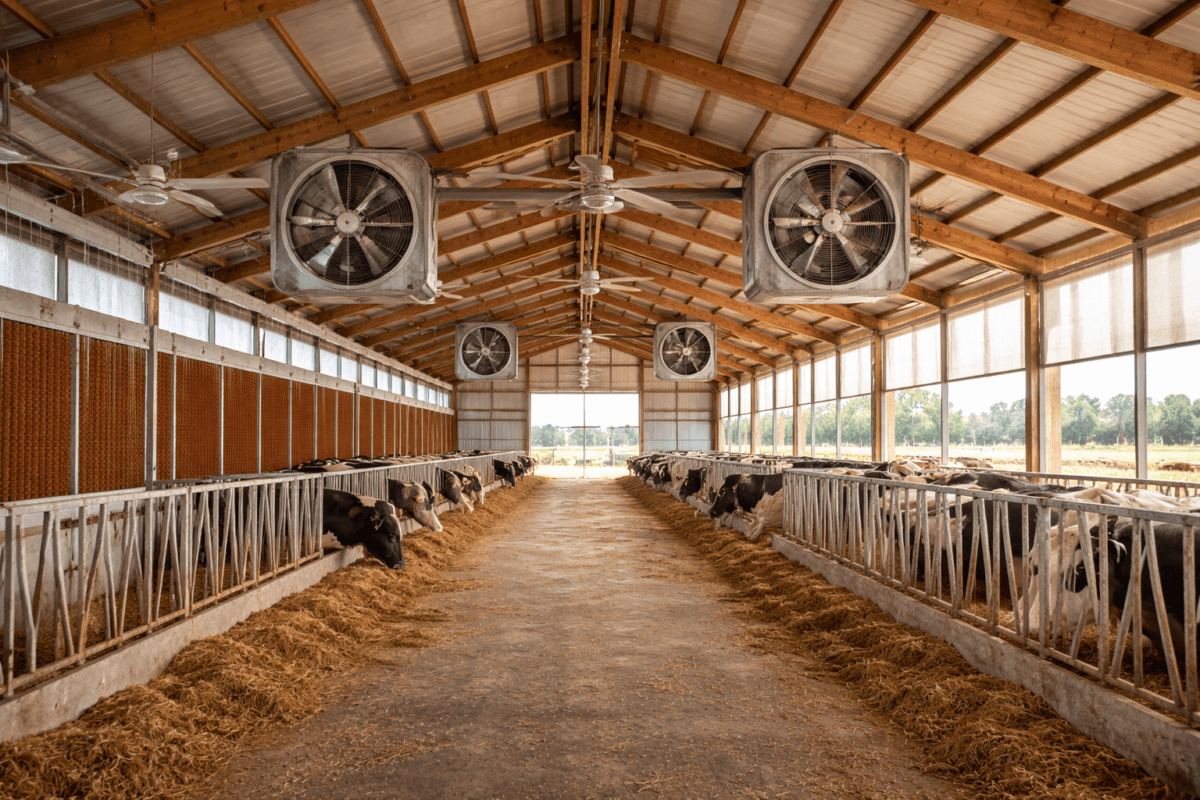
2. Maintain Clean Living Environments
Clean housing plays a critical role in parasite prevention.
Hygiene Tips:
- Remove manure regularly from shelters
- Keep bedding dry and replace it often
- Improve drainage in muddy areas
- Clean feeding and watering equipment frequently
Moist, dirty environments are ideal breeding grounds for parasites.
3. Provide Strong Nutrition and Mineral Support
Well-nourished animals are more resistant to parasites.
Nutritional Strategies:
- Offer high-quality forage and balanced diets
- Provide free-choice mineral supplements
- Ensure adequate protein intake, especially for young and lactating animals
Healthy immune systems naturally suppress parasite loads.
4. Use Natural Parasite-Repelling Plants
Certain plants and herbs are known to discourage parasites.
Common Natural Options:
- Garlic (in small, controlled amounts)
- Neem-based products
- Diatomaceous earth (food-grade, used carefully)
- Wormwood and tannin-rich forages
Always research proper dosage and safety before use.
5. Encourage Natural Grooming and Sunlight
External parasites thrive in dark, damp environments.
Natural Prevention Methods:
- Allow animals access to sunlight
- Encourage dust bathing for poultry and some livestock
- Groom animals regularly to remove parasites early
Sunlight and dry conditions naturally reduce parasite survival.
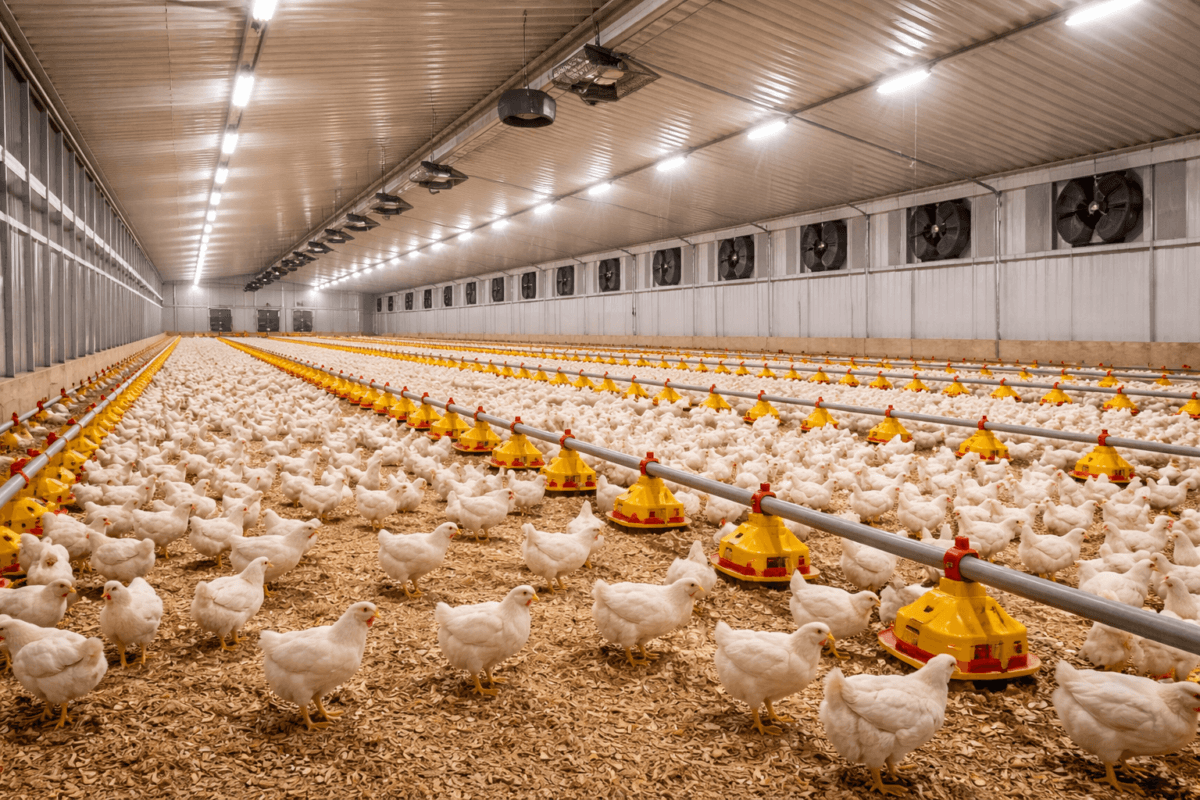
6. Manage Stocking Density
Overcrowding increases parasite transmission.
Best Practices:
- Provide adequate space in shelters and pastures
- Avoid overcrowded feeding and watering areas
- Separate young or weak animals when necessary
Lower density reduces stress and parasite exposure.
7. Monitor Animals Regularly
Early detection prevents parasite problems from escalating.
Watch for Signs Such As:
- Weight loss or poor growth
- Dull coats or excessive scratching
- Diarrhea or anemia
- Reduced appetite or energy
Routine observation allows for quick, targeted action.
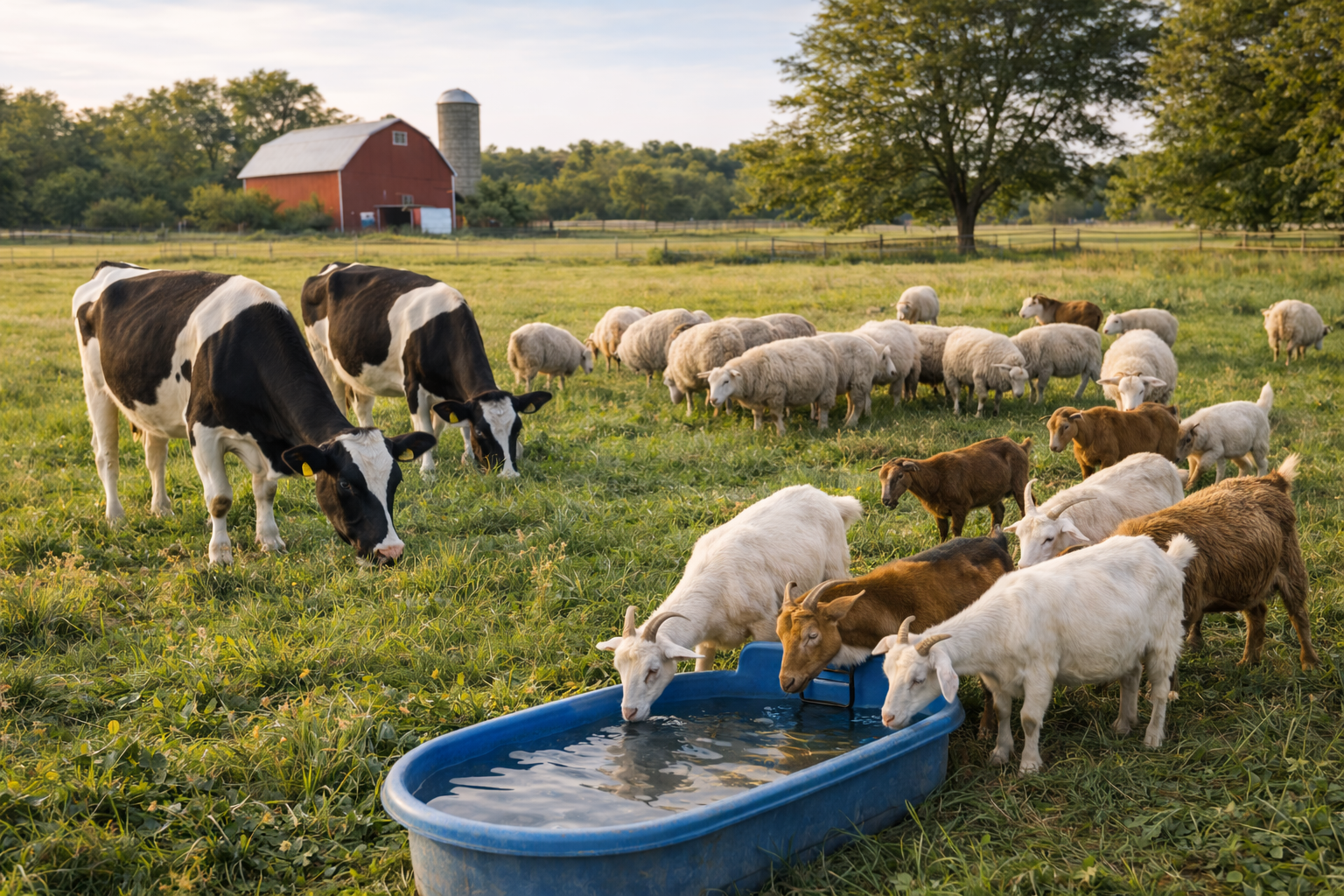
8. Integrate Multi-Species Grazing
Different species host different parasites.
How It Helps:
- Grazing cattle, sheep, and goats together or sequentially disrupts parasite cycles
- Parasites specific to one species cannot survive in another
This natural strategy improves pasture use and parasite control.
9. Support Healthy Soil and Pastures
Healthy ecosystems naturally limit parasite survival.
Pasture Health Tips:
- Avoid overgrazing
- Improve soil drainage
- Encourage diverse plant growth
Strong pastures create unfavorable conditions for parasites.
10. Combine Natural Methods With Strategic Treatments
Natural prevention doesn’t mean ignoring treatment when needed.
- Use fecal testing to monitor parasite levels
- Apply targeted treatments only when necessary
- Combine natural methods with minimal medical intervention
Balanced approaches offer the best long-term results.
Final Thoughts
Preventing parasites in farm animals naturally is about building a resilient system rather than relying on quick fixes. Through rotational grazing, good hygiene, balanced nutrition, natural repellents, and careful observation, farmers can significantly reduce parasite problems while promoting healthier animals and pastures.
Natural parasite prevention takes time and consistency, but the rewards—healthier livestock, reduced chemical use, and sustainable farming—make it well worth the effort. A proactive, natural approach keeps both animals and farms thriving. 🌱🐄🐐🐑


 Accessories & Others
 Apparel
 Beds & Furniture
 Cages & Accessories
 Carriers & Strollers
 Doors, Gates & Ramps
 Flea & Tick Control
 Grooming
 Litter & Housebreaking
 Memorials & Funerary
 Accessories & Others
 Apparel
 Beds & Furniture
 Cages & Accessories
 Carriers & Strollers
 Cat Doors,Steps, Nets.
 Collars, Harnesses & leashes
 Flea & Tick Control
 Grooming
 Cages& Accessories
 Cow Mastitis Detectors
 Ear Tags
 Aquarium Accessories
 Aquarium Cleaners
 Aquarium Decor
 Aquarium Lights
 Aquarium Pumps & Filter
 Aquariums & Fish Bowls
 Automatic Feeders