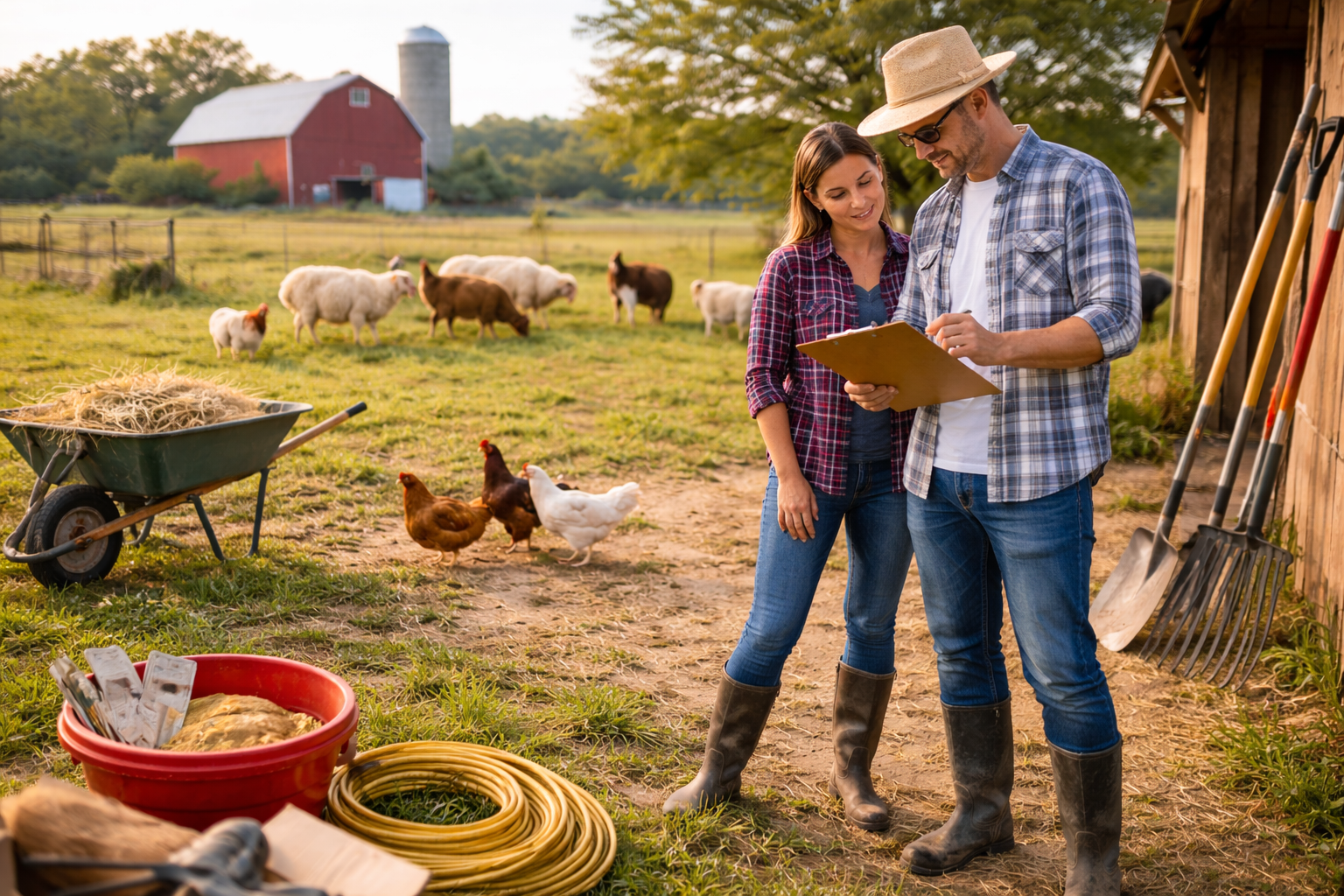
Starting a farm is an exciting and rewarding journey, but it also comes with a steep learning curve. Many new farm owners jump in with enthusiasm, only to discover that farming requires careful planning, patience, and adaptability. While mistakes are a natural part of learning, some errors can be costly, stressful, and difficult to recover from.
In this guide, we’ll explore the most common mistakes new farm owners make and how to avoid them, helping you build a stronger, more sustainable farming operation from the start.
1. Starting Too Big, Too Fast
One of the most frequent mistakes beginners make is trying to do everything at once.
Why It’s a Problem:
- Overwhelming workload
- Higher startup costs
- Increased stress and burnout
New farmers often add too many animals, crops, or projects before mastering basic routines.
Better Approach:
Start small and expand gradually. Learn daily care routines, understand your land, and build confidence before scaling up.
2. Underestimating the Time Commitment
Farming is not a part-time hobby—it’s a lifestyle.
Common Issues:
- No days off during busy seasons
- Animals need daily care, including weekends and holidays
- Unexpected emergencies require immediate attention
Many new farm owners underestimate how much time daily chores, maintenance, and monitoring require.
Tip:
Create realistic daily and seasonal schedules and plan for backup help when needed.
3. Poor Financial Planning and Budgeting
Financial mismanagement can quickly derail a new farm.
Typical Financial Mistakes:
- Underestimating startup and operating costs
- Not tracking expenses and income
- Relying on immediate profits
Farms often take years to become profitable.
Solution:
Set a realistic budget, track expenses carefully, and plan for slow financial growth. Treat farming as a long-term investment.
4. Ignoring Soil and Land Assessment
Healthy land is the foundation of a successful farm.
Common Oversights:
- Not testing soil before planting
- Overgrazing pastures
- Poor drainage management
Without understanding soil quality and land limits, productivity suffers.
Smart Practice:
Conduct soil tests, manage grazing carefully, and improve land health gradually through composting and rotation.
5. Lack of Proper Animal Research
Not all animals are suitable for every farm or climate.
Frequent Animal-Related Mistakes:
- Choosing animals based on popularity rather than suitability
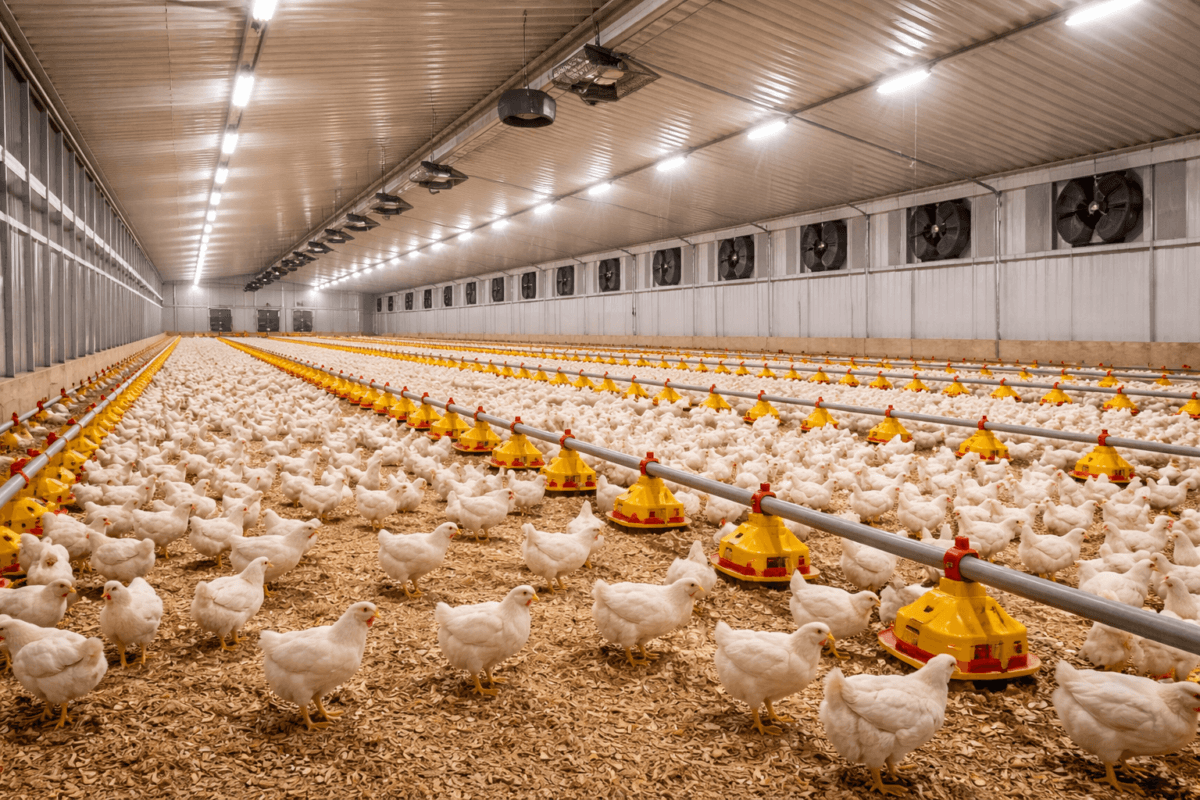
- Overcrowding livestock
- Ignoring breed-specific needs
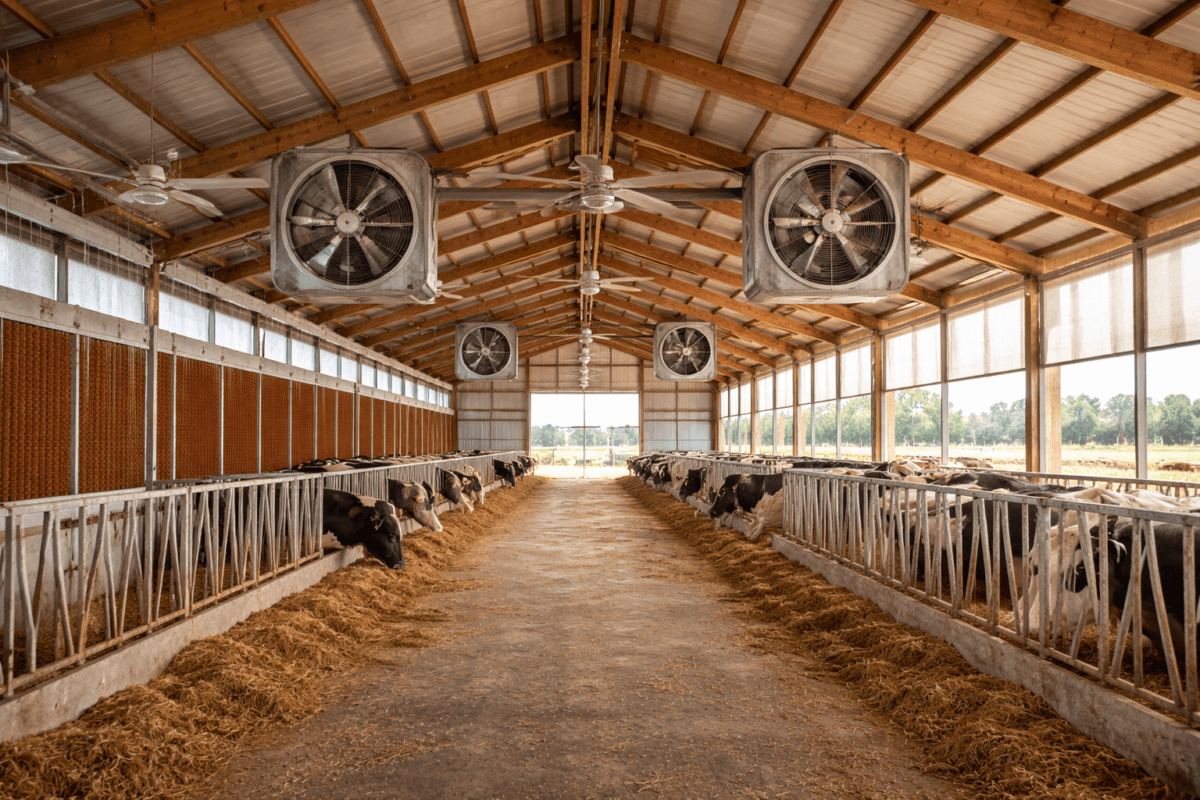
Animals require species-specific housing, nutrition, and healthcare.
Tip:
Research thoroughly before buying animals and start with hardy, beginner-friendly breeds.
6. Skipping Biosecurity and Health Planning
New farmers often focus on feeding and shelter while overlooking disease prevention.
Risks Include:
- Disease outbreaks
- Parasite infestations
- Increased veterinary costs
Poor biosecurity can wipe out livestock quickly.
Prevention Tips:
- Quarantine new animals
- Maintain clean housing
- Establish vaccination and parasite-control routines
Prevention is always cheaper than treatment.
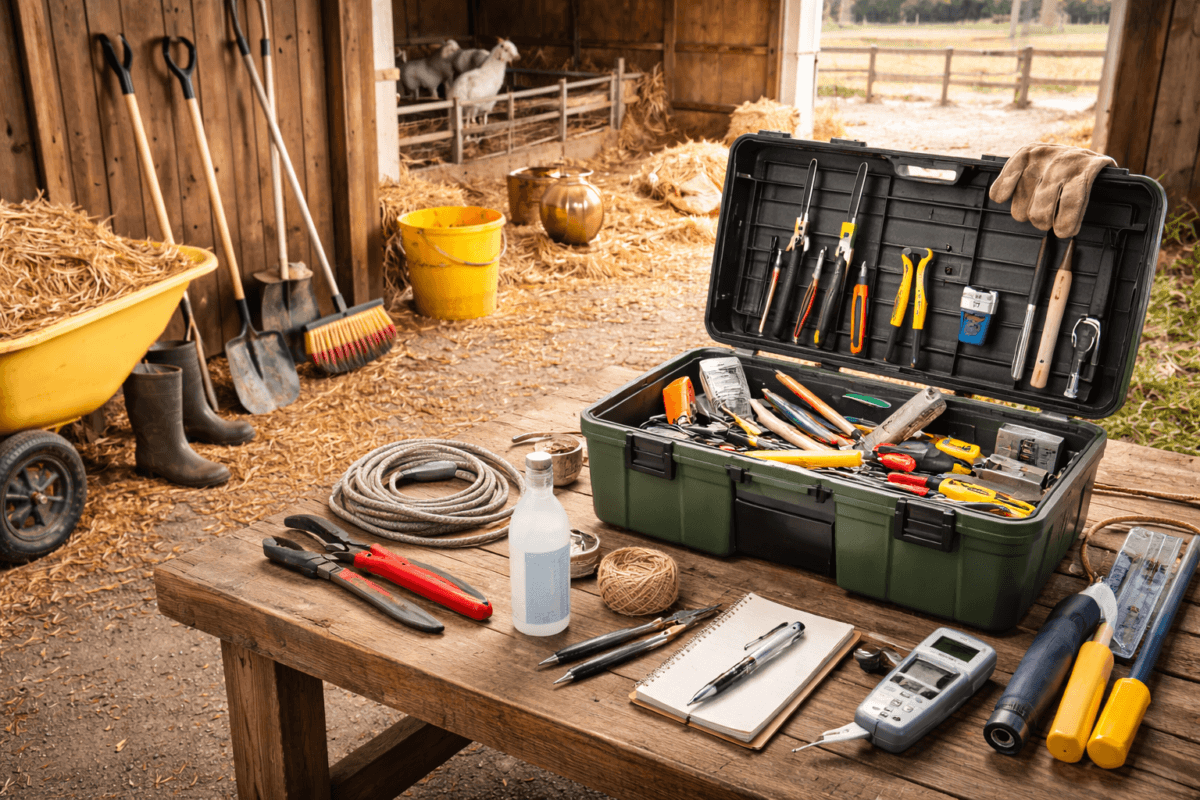
7. Buying Too Much Equipment Too Soon
It’s easy to overspend on tools and machinery.
Common Errors:
- Purchasing equipment before understanding actual needs
- Buying oversized or unnecessary machinery
- Ignoring maintenance costs
Smarter Choice:
Start with essential tools and upgrade as your farm grows. Borrow or rent equipment when possible.
8. Neglecting Record Keeping
Many beginners rely on memory instead of records.
Why This Is a Problem:
- Difficult to track profits and losses
- Missed health or breeding details
- Poor planning decisions
Best Practice:
Keep simple records for expenses, animal health, feeding, and production. Even basic notes make a big difference.
9. Overlooking Weather and Seasonal Planning
Weather impacts nearly every aspect of farming.
Common Mistakes:
- Not preparing shelters for extreme conditions
- Ignoring seasonal feed needs
- Poor water management
Tip:
Plan ahead for each season, especially winter and peak summer heat.
10. Trying to Do Everything Alone
Farming can be isolating, especially for beginners.
Problems This Causes:
- Burnout
- Missed learning opportunities
- Slower problem-solving
Better Strategy:
Connect with local farmers, join agricultural groups, attend workshops, and ask questions. Community support is invaluable.
11. Expecting Perfection Too Soon
Many new farm owners feel discouraged when things go wrong.
Reality Check:
- Mistakes are part of learning
- Farming skills develop over time
- Every farm faces setbacks
Healthy Mindset:
Be patient with yourself. Focus on progress, not perfection.
Final Thoughts
Starting a farm is a bold and admirable decision, but success doesn’t happen overnight. The most common mistakes new farm owners make—such as starting too big, poor planning, and underestimating the workload—are all avoidable with preparation, patience, and a willingness to learn.
By starting small, planning carefully, caring for your land and animals, and seeking support, you set yourself up for long-term success. Farming is a journey, and every lesson—especially early mistakes—helps shape a stronger, wiser farmer. 🌱🚜


 Accessories & Others
 Apparel
 Beds & Furniture
 Cages & Accessories
 Carriers & Strollers
 Doors, Gates & Ramps
 Flea & Tick Control
 Grooming
 Litter & Housebreaking
 Memorials & Funerary
 Accessories & Others
 Apparel
 Beds & Furniture
 Cages & Accessories
 Carriers & Strollers
 Cat Doors,Steps, Nets.
 Collars, Harnesses & leashes
 Flea & Tick Control
 Grooming
 Cages& Accessories
 Cow Mastitis Detectors
 Ear Tags
 Aquarium Accessories
 Aquarium Cleaners
 Aquarium Decor
 Aquarium Lights
 Aquarium Pumps & Filter
 Aquariums & Fish Bowls
 Automatic Feeders