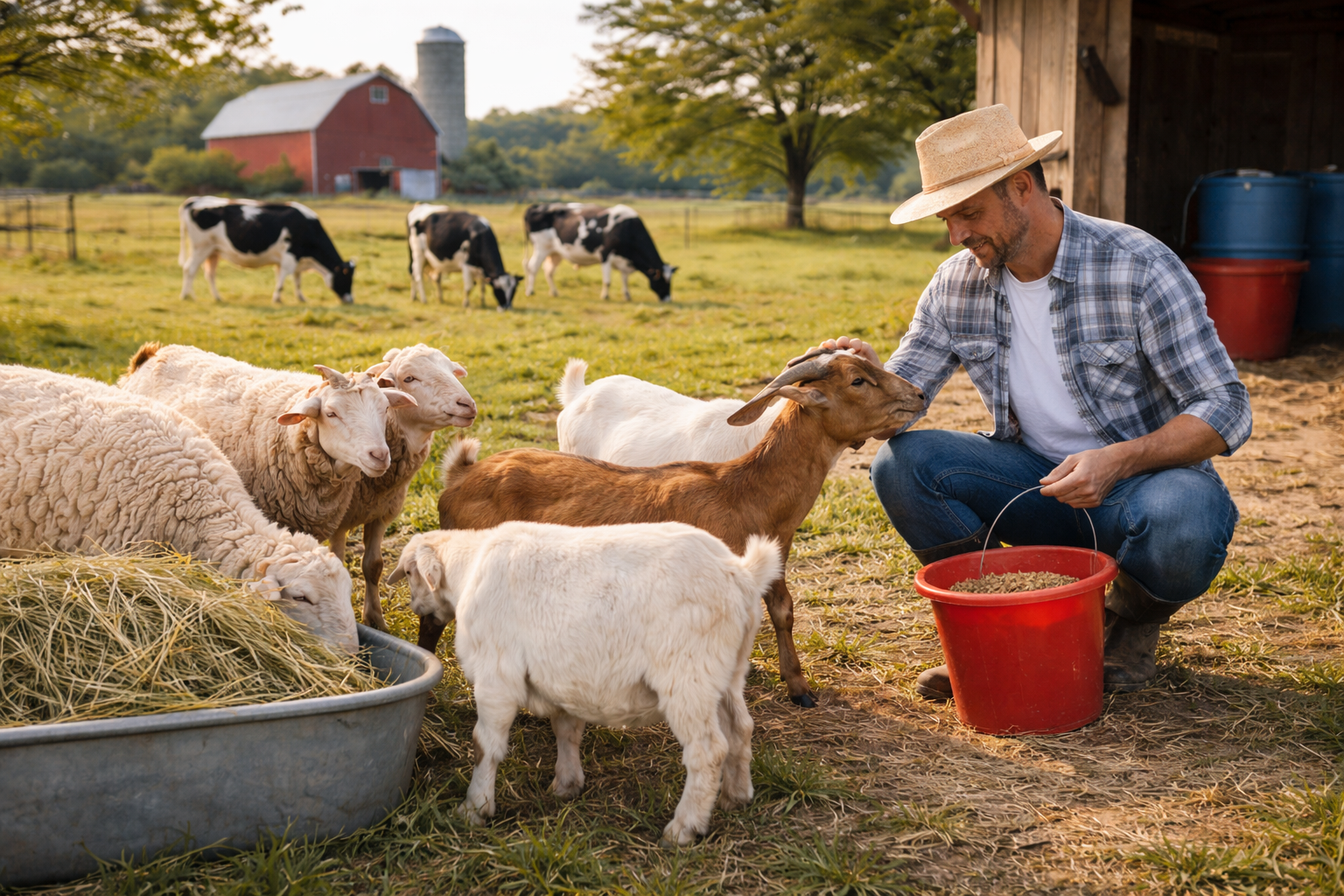
Animal welfare is the foundation of responsible and successful farming. When animals are treated humanely and their physical and emotional needs are met, they remain healthier, more productive, and easier to manage. Good animal welfare isn’t just about ethics—it directly impacts farm profitability, sustainability, and public trust.
Whether you’re a new farmer or an experienced livestock keeper, understanding and following animal welfare basics is essential. This guide covers the core principles every farmer should follow to ensure animals live healthy, stress-free lives.
Why Animal Welfare Matters in Farming
Animal welfare refers to the physical and mental well-being of animals under human care. Poor welfare leads to stress, illness, reduced productivity, and higher veterinary costs. On the other hand, good welfare supports:
- Strong immune systems
- Better growth and productivity
- Improved reproduction
- Lower disease risk
- Ethical and sustainable farming practices
Healthy animals are the result of consistent, compassionate care.
1. Provide Adequate Food and Nutrition
Proper nutrition is a basic welfare requirement.
Key Nutrition Principles:
- Feed animals a balanced diet suited to their species, age, and purpose
- Provide sufficient energy, protein, vitamins, and minerals
- Adjust diets during pregnancy, lactation, or growth stages
- Avoid sudden feed changes
Malnutrition causes stress, weak immunity, and poor performance, making nutrition a top welfare priority.
2. Ensure Constant Access to Clean Water
Water is essential for life and must never be restricted.
Water Welfare Standards:
- Provide fresh, clean water at all times
- Clean water containers regularly
- Ensure water is accessible to all animals
Dehydration causes rapid health decline and severe stress, especially during hot weather.
3. Provide Safe, Clean, and Comfortable Shelter
Shelter protects animals from environmental stress.
Shelter Essentials:
- Protection from extreme heat, cold, rain, and wind
- Dry, clean bedding
- Adequate space to move, rest, and lie down
- Proper ventilation without drafts
Good housing reduces disease risk and improves comfort and productivity.
4. Allow Freedom of Movement and Natural Behavior
Animals need space to express natural behaviors.
Welfare-Friendly Practices:
- Avoid overcrowding
- Allow grazing, browsing, or foraging when possible
- Provide social interaction with compatible animals
Restricting movement causes stress, aggression, and physical problems.
5. Maintain Good Health and Disease Prevention
Preventing illness is a core part of animal welfare.
Health Care Basics:
- Regular health checks
- Vaccination and parasite-control programs
- Prompt treatment of injuries or illness
- Quarantine sick or new animals
Ignoring health issues causes unnecessary suffering and long-term losses.
6. Practice Gentle and Humane Handling
How animals are handled directly affects their stress levels.
Humane Handling Tips:
- Move animals calmly and patiently
- Avoid shouting or rough handling
- Use proper equipment for restraint
- Train animals to human presence gradually
Calm handling builds trust and reduces fear-related injuries.
7. Minimize Stress in Daily Farm Activities
Chronic stress negatively affects animal welfare.
Common Stress Sources:
- Loud noises
- Sudden routine changes
- Poor handling
- Overcrowding
Reducing stress improves immunity, behavior, and productivity.
8. Provide Proper Grooming and Hygiene
Clean animals are healthier animals.
Grooming Benefits:
- Reduces parasite load
- Improves skin and coat health
- Allows early detection of health issues
Regular grooming is especially important for dairy animals and long-haired breeds.
9. Ensure Humane Breeding and Reproduction Practices
Breeding decisions impact animal welfare.
Responsible Breeding Includes:
- Avoiding overbreeding
- Providing extra care during pregnancy and birth
- Allowing recovery periods between lactation cycles
Reproductive stress must be carefully managed to protect animal health.
10. Monitor Animals Daily
Observation is one of the most powerful welfare tools.
Daily Monitoring Helps:
- Detect illness early
- Identify stress or behavioral changes
- Prevent injuries and disease spread
Animals rely on farmers to notice subtle signs of discomfort.
11. Provide Humane End-of-Life Care
Animal welfare includes humane euthanasia when necessary.
End-of-Life Welfare:
- Use humane, approved methods
- Minimize fear and pain
- Seek veterinary guidance when needed
This responsibility must be handled with care and respect.
The Five Freedoms of Animal Welfare
Many welfare guidelines are based on the Five Freedoms:
- Freedom from hunger and thirst
- Freedom from discomfort
- Freedom from pain, injury, and disease
- Freedom to express natural behavior
- Freedom from fear and distress
These principles guide ethical livestock care worldwide.
Final Thoughts
Animal welfare basics every farmer should follow are rooted in respect, responsibility, and awareness. By providing proper nutrition, clean water, safe shelter, gentle handling, and preventive health care, farmers ensure animals live healthier, more comfortable lives.
Good animal welfare isn’t optional—it’s essential for ethical farming, long-term success, and public trust. When animals are cared for properly, they reward farmers with better productivity, resilience, and a more sustainable farming future. 🐄🐐🐑