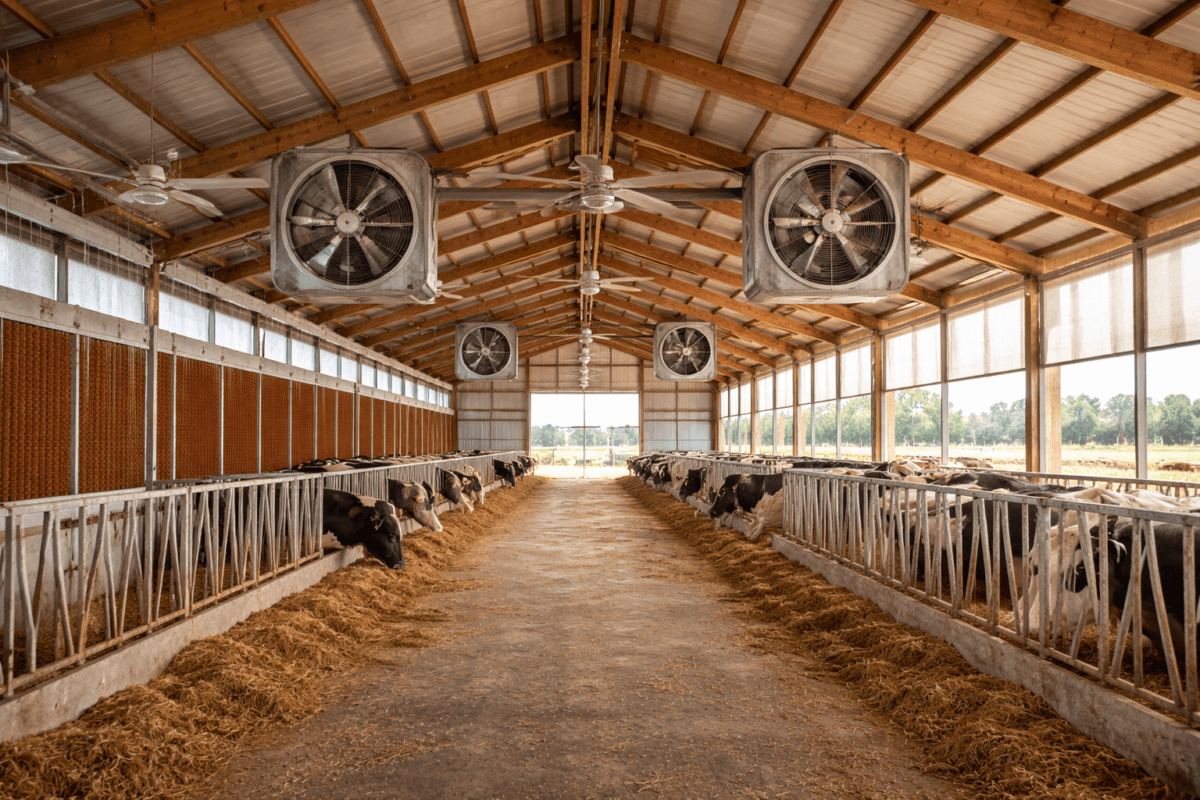
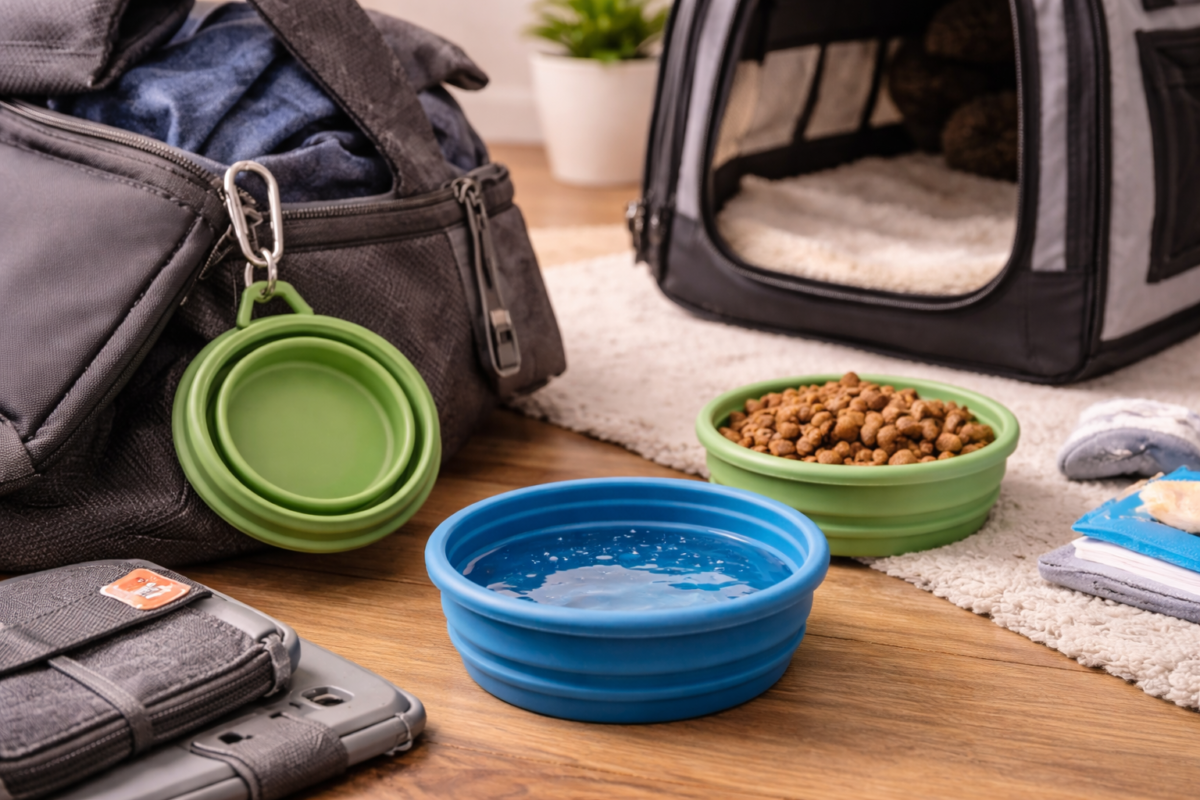
Transporting farm animals is sometimes unavoidable—whether for veterinary care, breeding, selling, or relocating livestock. However, transportation can be stressful and potentially dangerous if not handled properly. Poor transport practices can lead to injuries, illness, weight loss, and even fatalities, making safety a top priority for every farmer.
In this guide, we’ll cover how to transport farm animals safely, focusing on preparation, equipment, animal handling, and stress reduction to ensure a smooth and humane journey.
Why Safe Animal Transport Is Important
Farm animals are sensitive to unfamiliar environments, movement, noise, and confinement. Unsafe transport can cause:
- Stress and panic
- Physical injuries from slipping or crowding
- Dehydration and fatigue
- Increased disease risk
- Reduced productivity after transport
Safe transport protects animal welfare, farmer safety, and the long-term health of livestock.
1. Prepare Animals Before Transport
Preparation begins well before loading animals onto a vehicle.
Pre-Transport Preparation Tips:
- Handle animals gently in the days leading up to transport
- Ensure animals are healthy and fit for travel
- Avoid transporting sick, injured, or heavily pregnant animals unless necessary
- Withhold feed for a short period before travel (species-dependent) to reduce motion sickness
Calm, prepared animals are easier and safer to transport.
2. Choose the Right Transport Vehicle
The vehicle or trailer must be designed specifically for livestock transport.
Key Vehicle Features:
- Non-slip flooring
- Adequate ventilation
- Strong side panels and secure gates
- Easy access for loading and unloading
Never use vehicles not designed for animals, as they increase injury risk.
3. Ensure Proper Space and Stocking Density
Overcrowding is one of the most common transport mistakes.
Space Guidelines:
- Animals should be able to stand naturally
- Avoid overcrowding, which causes crushing and falls
- Avoid too much space, which can lead to loss of balance
Proper spacing reduces injuries and stress during travel.
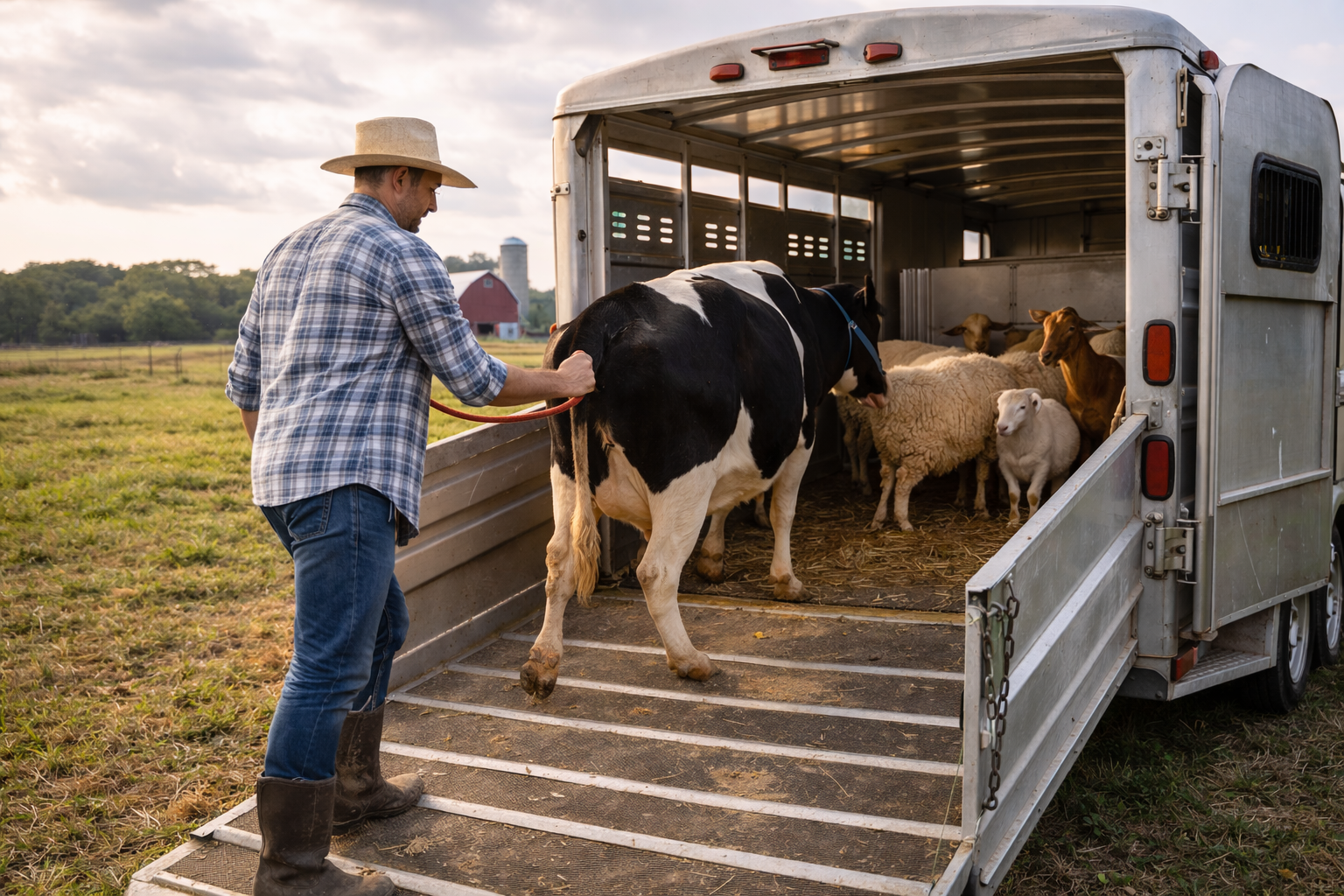
4. Use Calm and Gentle Loading Techniques
Loading is often the most stressful part of transport.
Safe Loading Tips:
- Load animals calmly and patiently
- Avoid shouting, hitting, or rushing
- Use ramps with non-slip surfaces
- Allow animals to move at their own pace
Gentle handling during loading sets the tone for a calmer journey.
5. Secure Animals and Equipment Properly
Loose animals or equipment create serious safety risks.
- Ensure gates and partitions are locked
- Remove sharp edges or loose objects
- Secure feed and water containers
A secure trailer prevents sudden movement injuries.
6. Maintain Good Ventilation and Temperature Control
Temperature regulation is critical during transport.
Best Practices:
- Ensure proper airflow, especially in warm weather
- Avoid transporting animals during extreme heat or cold when possible
- Monitor animals closely during long journeys
Poor ventilation can quickly lead to heat stress or respiratory issues.
7. Drive Carefully and Smoothly
Driving behavior directly affects animal safety.
Safe Driving Practices:
- Avoid sudden stops or sharp turns
- Drive at moderate speeds
- Take turns slowly
- Plan routes to avoid rough roads
Smooth driving minimizes falls and injuries.
8. Plan for Long-Distance Transport
Long journeys require extra planning.
Long-Trip Considerations:
- Schedule rest stops when appropriate
- Provide water for longer trips
- Check animals regularly for signs of stress or injury
Preparation reduces fatigue and dehydration.
9. Recognize Signs of Transport Stress
Animals may show stress before or during transport.
Common Stress Signs:
- Excessive vocalization
- Rapid breathing or panting
- Trembling or agitation
- Refusal to move
If stress signs appear, pause and allow animals to calm whenever possible.
10. Unload Animals Safely
Unloading is just as important as loading.
Safe Unloading Tips:
- Open gates slowly
- Allow animals to exit at their own pace
- Ensure unloading areas are secure and free of hazards
Rushing unloading increases accident risk.
11. Provide Post-Transport Care
Animals need time to recover after transport.
Post-Transport Care Includes:
- Immediate access to clean water
- Gradual reintroduction to feed
- Monitoring for injuries or illness
- Allowing rest before returning to normal routines
Proper recovery care reduces long-term stress effects.
Common Transport Mistakes to Avoid
- Overcrowding animals
- Using poor-quality trailers
- Transporting animals in extreme weather
- Rough handling during loading
- Ignoring stress signs
Avoiding these mistakes significantly improves transport safety.
Legal and Welfare Considerations
Many regions have laws governing livestock transport.
- Follow animal welfare regulations
- Use licensed transporters when required
- Ensure transport durations comply with local rules
Compliance protects both animals and farmers.
Final Thoughts
Knowing how to transport farm animals safely is an essential skill for responsible livestock management. With proper preparation, suitable equipment, gentle handling, and careful driving, transport can be a calm and humane experience rather than a stressful one.
Safe transport protects animal welfare, reduces injuries, and ensures livestock arrive healthy and ready to settle into their new environment. When animals are treated with care during every step of the journey, farmers build safer, more ethical, and more successful operations. 🚜🐄🐐🐑


 Accessories & Others
 Apparel
 Beds & Furniture
 Cages & Accessories
 Carriers & Strollers
 Doors, Gates & Ramps
 Flea & Tick Control
 Grooming
 Litter & Housebreaking
 Memorials & Funerary
 Accessories & Others
 Apparel
 Beds & Furniture
 Cages & Accessories
 Carriers & Strollers
 Cat Doors,Steps, Nets.
 Collars, Harnesses & leashes
 Flea & Tick Control
 Grooming
 Cages& Accessories
 Cow Mastitis Detectors
 Ear Tags
 Aquarium Accessories
 Aquarium Cleaners
 Aquarium Decor
 Aquarium Lights
 Aquarium Pumps & Filter
 Aquariums & Fish Bowls
 Automatic Feeders