Sustainable farming is no longer just an environmental movement—it’s a powerful approach to improving animal health, welfare, and productivity. As farmers and consumers alike become more conscious of where food comes from, practices that support both the planet and livestock are gaining momentum. Healthier soil, cleaner water, and humane animal care all work together to create resilient farming systems where animals can truly thrive.
This article explores key sustainable farming practices and how they directly contribute to better animal health, reduced disease risk, and long-term farm success.
1. Pasture-Based and Free-Range Systems
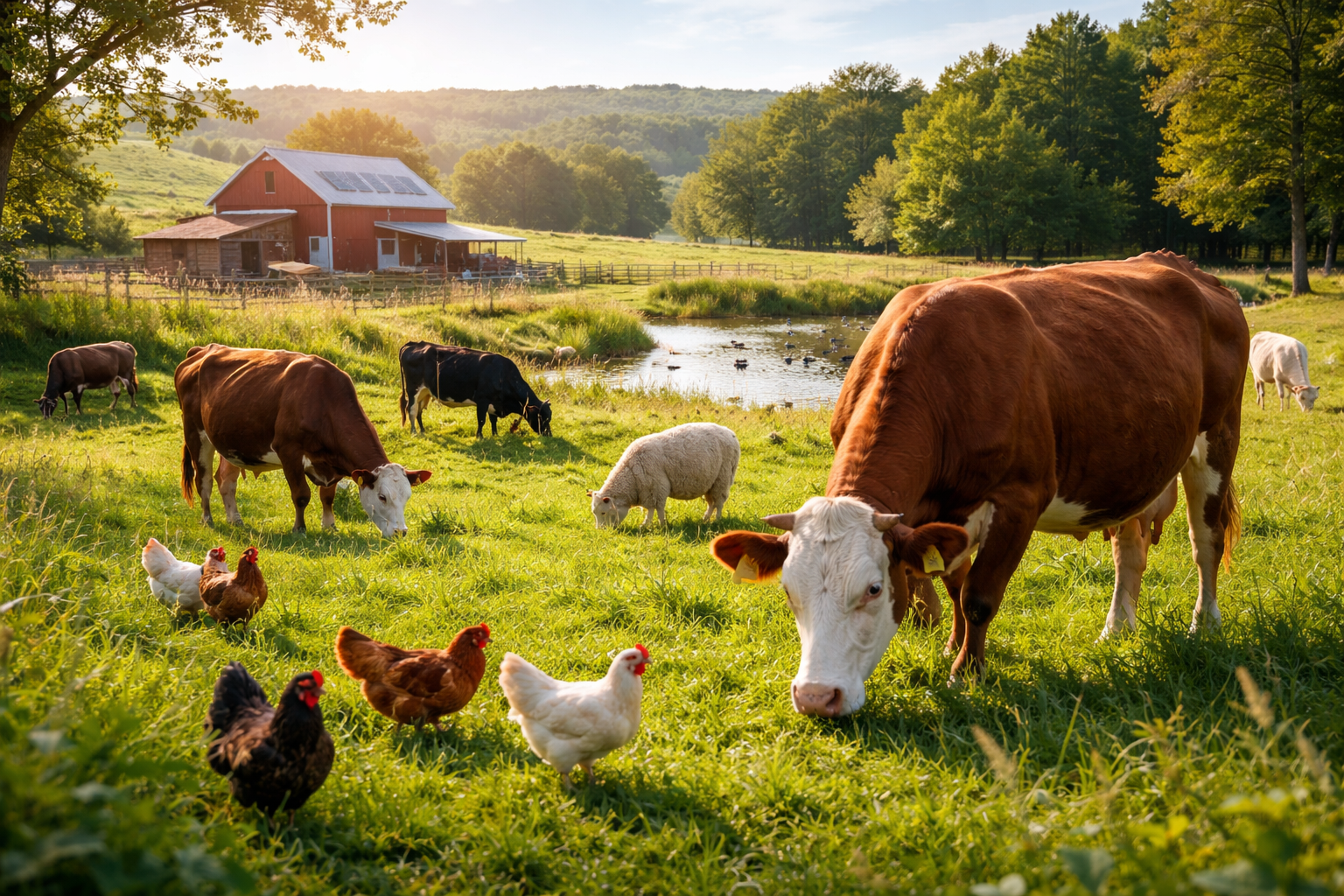
One of the most impactful sustainable practices is allowing animals to live in pasture-based or free-range environments. Instead of being confined to crowded spaces, animals can move freely, graze naturally, and express instinctive behaviors.
Animal health benefits include:
- Stronger immune systems due to fresh air and sunlight
- Lower stress levels, which reduce illness
- Improved muscle tone and joint health
- Reduced spread of contagious diseases
Animals raised on pasture are generally calmer, healthier, and less dependent on medical interventions.
2. Rotational Grazing for Healthier Livestock
Rotational grazing involves moving animals between grazing areas to prevent overgrazing and allow pastures to recover. This simple yet powerful technique improves both land and livestock health.
Why it matters for animals:
- Fresher, nutrient-dense forage improves digestion
- Reduced exposure to parasites found in overgrazed land
- Better hoof health due to drier, healthier soil
- Lower risk of toxic plant consumption
By mimicking natural grazing patterns, rotational systems create a balanced ecosystem that supports long-term animal wellness.
3. Organic and Natural Feed Practices
Sustainable farms prioritize high-quality, natural feed without synthetic chemicals, genetically modified ingredients, or unnecessary additives. Feed quality plays a major role in animal health.
Health improvements include:
- Better gut health and nutrient absorption
- Stronger bones, coats, and immune response
- Fewer digestive disorders
- Reduced need for growth stimulants
Animals nourished with clean, natural diets are more resilient and experience fewer chronic health issues.
4. Reducing Antibiotic Dependence
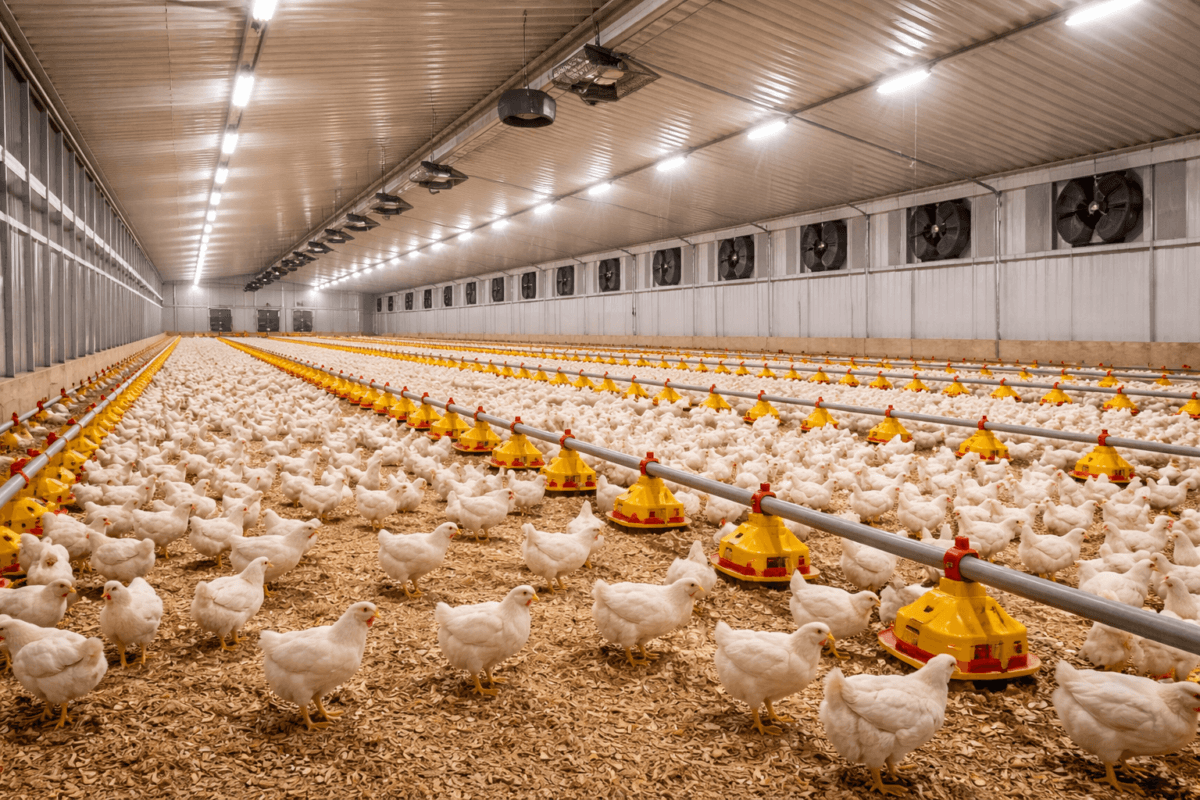
In intensive farming systems, antibiotics are often used to compensate for overcrowding and poor living conditions. Sustainable farming takes a preventative approach by improving the environment instead of relying on medication.
Sustainable alternatives include:
- Improved hygiene and ventilation
- Stress reduction through humane handling
- Balanced nutrition to support immunity
- Herbal and probiotic supplements
Reducing routine antibiotic use helps prevent drug resistance while keeping animals naturally healthy and robust.
5. Clean Water and Proper Waste Management
Access to clean, fresh water is essential for animal health. Sustainable farms invest in water conservation and waste management systems that protect both livestock and surrounding ecosystems.
Animal health benefits:
- Lower risk of waterborne diseases
- Improved digestion and hydration
- Healthier skin and coat condition
- Reduced exposure to harmful bacteria
Proper waste management also minimizes ammonia buildup and respiratory problems, especially in enclosed housing areas.
6. Humane Housing and Low-Stress Environments
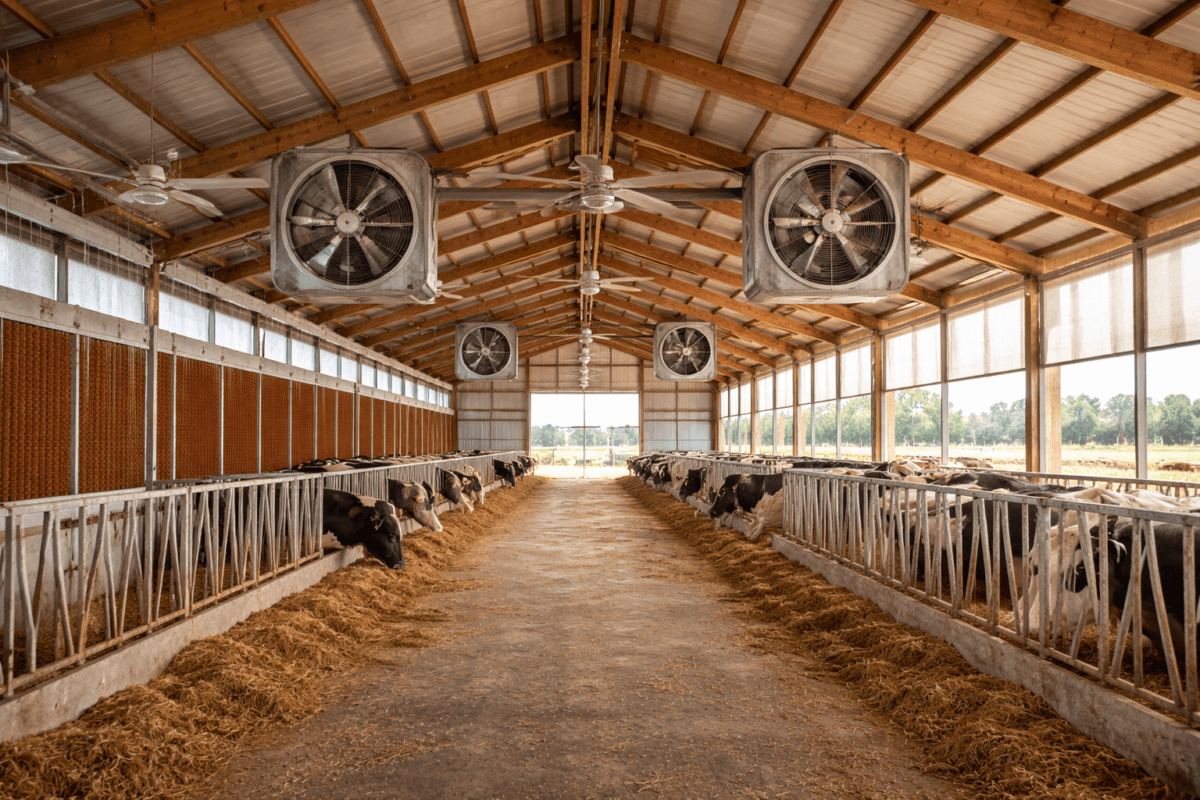
Animal stress is a leading cause of weakened immunity and disease. Sustainable farming emphasizes humane housing designs that prioritize comfort, space, and natural behaviors.
Key features include:
- Adequate space to move and rest
- Natural lighting and airflow
- Comfortable bedding materials
- Quiet handling and reduced overcrowding
Lower stress levels lead to better reproductive health, improved growth, and longer lifespans.
7. Biodiversity and Ecosystem Balance
Encouraging biodiversity on farms—such as planting diverse crops, maintaining hedgerows, and protecting wildlife—creates healthier ecosystems that benefit animals indirectly.
How biodiversity supports animal health:
- Natural pest control reduces chemical exposure
- Diverse forage improves nutrition
- Healthier soil leads to cleaner grazing areas
- Balanced ecosystems lower disease pressure
A diverse farm environment supports resilience, making livestock less vulnerable to environmental stressors.
8. Ethical Breeding and Long-Term Health
Sustainable farmers focus on breeding for health and adaptability, not just rapid growth or high production. This approach results in animals that are better suited to their environment.
Benefits include:
- Fewer genetic health problems
- Improved fertility and longevity
- Stronger resistance to disease
- Reduced need for medical intervention
Healthy genetics combined with good management create animals that thrive naturally.
Conclusion
Sustainable farming practices go far beyond environmental protection—they are a cornerstone of better animal health and welfare. By focusing on natural living conditions, quality nutrition, stress reduction, and ecosystem balance, farmers can raise healthier animals while building resilient, ethical food systems.
As awareness grows, sustainable farming continues to prove that healthy animals, healthy farms, and a healthy planet are deeply connected. Investing in these practices is not only good for livestock—it’s essential for the future of agriculture.


 Accessories & Others
 Apparel
 Beds & Furniture
 Cages & Accessories
 Carriers & Strollers
 Doors, Gates & Ramps
 Flea & Tick Control
 Grooming
 Litter & Housebreaking
 Memorials & Funerary
 Accessories & Others
 Apparel
 Beds & Furniture
 Cages & Accessories
 Carriers & Strollers
 Cat Doors,Steps, Nets.
 Collars, Harnesses & leashes
 Flea & Tick Control
 Grooming
 Cages& Accessories
 Cow Mastitis Detectors
 Ear Tags
 Aquarium Accessories
 Aquarium Cleaners
 Aquarium Decor
 Aquarium Lights
 Aquarium Pumps & Filter
 Aquariums & Fish Bowls
 Automatic Feeders