Separation anxiety is one of the most common behavioral challenges in dogs. Whether it’s a short trip to the store or leaving your dog alone at home while you work, dogs with separation anxiety can exhibit stress through barking, chewing, pacing, or destructive behavior. While training and routine adjustments are essential, interactive dog toys can be a powerful tool to reduce stress and keep your dog mentally and physically stimulated.
In this guide, we’ll explore the best interactive dog toys for reducing separation anxiety, the benefits of mental stimulation, and tips for selecting the right toys for your furry companion.
Why Interactive Toys Help
Interactive toys provide mental challenges and engagement that mimic natural behaviors, such as hunting, problem-solving, and foraging. These activities help reduce anxiety by:
- Redirecting your dog’s focus from stress to play
- Providing a healthy outlet for energy and boredom
- Encouraging independence
- Stimulating mental activity, which can be tiring and calming
Dogs who are mentally stimulated tend to be calmer and more relaxed, reducing destructive behaviors associated with separation anxiety.
1. Puzzle Toys
Puzzle toys challenge your dog to think, problem-solve, and work for rewards.
Benefits:
- Keep dogs occupied for longer periods
- Encourage cognitive development
- Can be filled with treats or kibble for extra motivation
Examples:
- Sliding puzzles where dogs move pieces to uncover treats
- Rotating or flipping compartments
- Multi-step challenge toys
Puzzle toys are especially helpful for intelligent breeds like Border Collies, German Shepherds, and Poodles, who require high mental stimulation.
2. Treat-Dispensing Toys
Treat-dispensing toys make your dog work for their favorite snacks, keeping them busy and engaged.
Benefits:
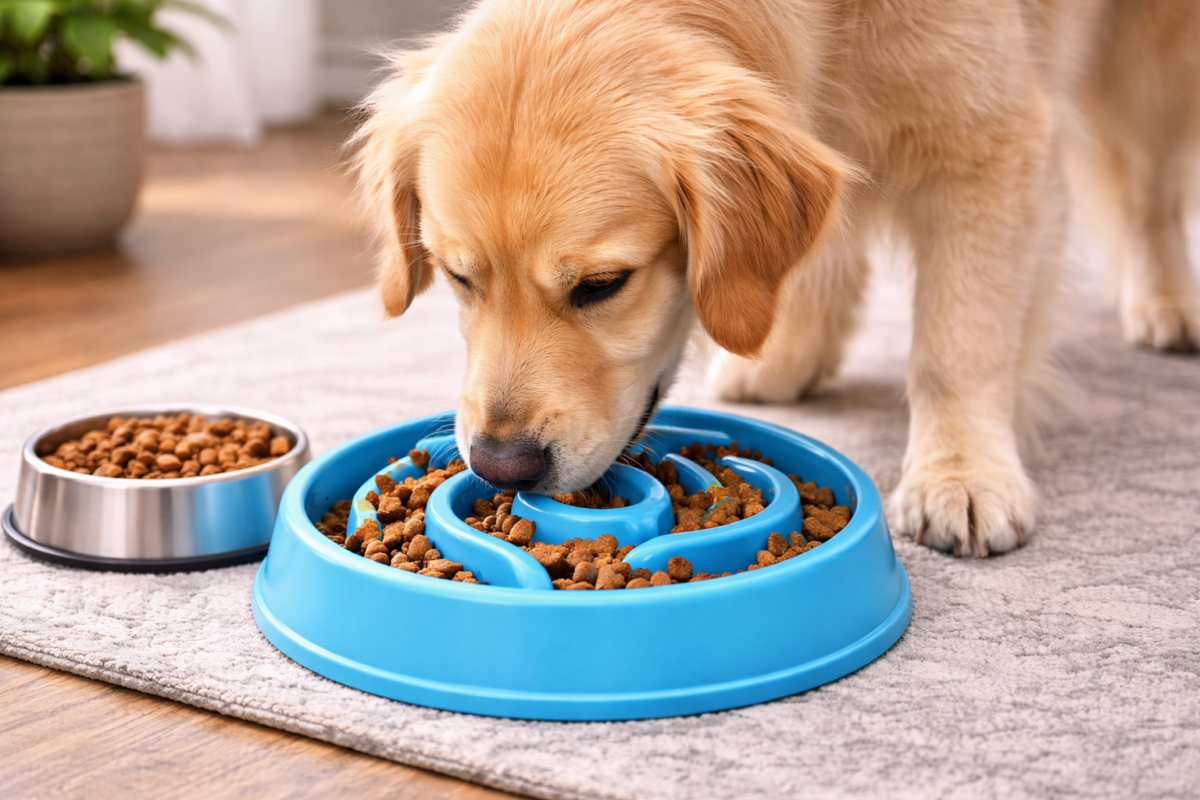
- Slow down fast eaters
- Reduce boredom and destructive chewing
- Reward positive behavior
Popular options include:
- Rubber KONG toys filled with peanut butter or kibble
- Hollow balls that release treats as the dog plays
- Tug-and-treat toys
These toys combine playtime with a positive reinforcement system, which is ideal for anxious dogs.
3. Chew Toys with a Twist
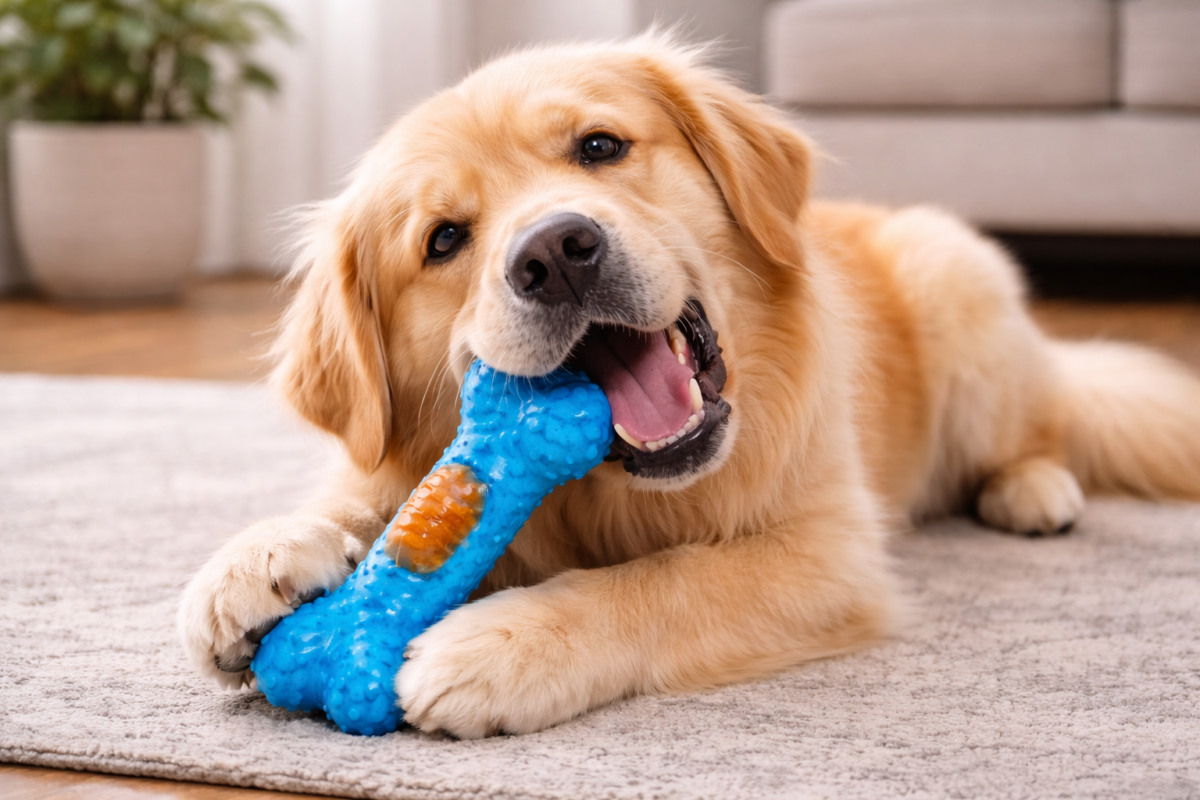
Chew toys are not only satisfying for your dog’s natural instincts—they can also reduce stress and anxiety.
Best Features:
- Durable, non-toxic material
- Textured surfaces to massage gums
- Hollow options that can hold treats
Some interactive chew toys even have hidden compartments, combining chewing and problem-solving in one toy.
4. Snuffle Mats
Snuffle mats are designed to mimic foraging behavior, encouraging dogs to sniff and hunt for treats hidden among fabric strips.
Benefits:
- Engage natural instincts
- Slow feeding and prevent overeating
- Provide a calming, focused activity
Snuffle mats are ideal for dogs that enjoy sniffing and exploring. They’re particularly useful during periods when you need your dog to remain calm, like before leaving the house.
5. Ball Launchers
Automatic ball launchers provide interactive play without your constant involvement, allowing your dog to exercise independently.
Benefits:
- Physical exercise reduces stress
- Mental stimulation through learning to operate the toy
- Keeps dogs active indoors or in a fenced yard
These toys are best suited for high-energy dogs who enjoy chasing and retrieving. Some devices allow you to adjust the distance and pace to match your dog’s abilities.
6. Interactive Treat Cameras & Toys
Modern technology offers interactive pet cameras that allow you to monitor, talk to, and dispense treats to your dog remotely.
Benefits:
- Stay connected while away
- Reduce anxiety through voice interaction
- Reward calm behavior
These devices can be a great supplement to traditional toys, especially for dogs with severe separation anxiety.
Choosing the Right Interactive Toy
When selecting toys for separation anxiety, consider the following factors:
1. Durability
Choose toys that can withstand chewing and rough play, especially for strong-jawed breeds.
2. Safety
Avoid small parts that could be swallowed. Look for non-toxic materials.
3. Engagement Level
Match the toy to your dog’s intelligence and activity level. Too simple, and they’ll lose interest; too complex, and they may become frustrated.
4. Ease of Cleaning
Toys that hold food or treats should be easy to wash to maintain hygiene.
5. Variety
Rotate toys regularly to keep your dog curious and engaged.
Tips to Reduce Separation Anxiety Alongside Toys
While toys are helpful, they work best with additional strategies:
- Gradual Desensitization: Practice short departures and gradually increase time away.
- Consistent Routine: Feed, walk, and play at predictable times.
- Safe Space: Create a comfortable, secure area for your dog with familiar toys.
- Calming Aids: Use pheromone diffusers, calming music, or anxiety wraps.
- Training: Positive reinforcement can help teach your dog to remain calm during departures.
Combining these methods with interactive toys maximizes results.
Signs Your Dog Benefits from Interactive Toys
Dogs who show reduced anxiety with interactive toys often:
- Spend more time playing independently
- Show less destructive behavior
- Exhibit calmer body language
- Relax during periods alone
Monitoring your dog’s response helps you choose the best toys for long-term stress reduction.
Final Thoughts
Interactive dog toys are more than just entertainment—they’re a critical tool for managing separation anxiety. From puzzle toys and treat dispensers to snuffle mats and automatic ball launchers, these toys provide mental stimulation, redirect energy, and encourage independent play.
By carefully selecting safe, durable, and engaging toys, you can make your dog’s alone time enjoyable and stress-free. Combining interactive toys with training, routine, and a secure environment can help even the most anxious dogs feel calm, happy, and well-adjusted.


 Accessories & Others
 Apparel
 Beds & Furniture
 Cages & Accessories
 Carriers & Strollers
 Doors, Gates & Ramps
 Flea & Tick Control
 Grooming
 Litter & Housebreaking
 Memorials & Funerary
 Accessories & Others
 Apparel
 Beds & Furniture
 Cages & Accessories
 Carriers & Strollers
 Cat Doors,Steps, Nets.
 Collars, Harnesses & leashes
 Flea & Tick Control
 Grooming
 Cages& Accessories
 Cow Mastitis Detectors
 Ear Tags
 Aquarium Accessories
 Aquarium Cleaners
 Aquarium Decor
 Aquarium Lights
 Aquarium Pumps & Filter
 Aquariums & Fish Bowls
 Automatic Feeders