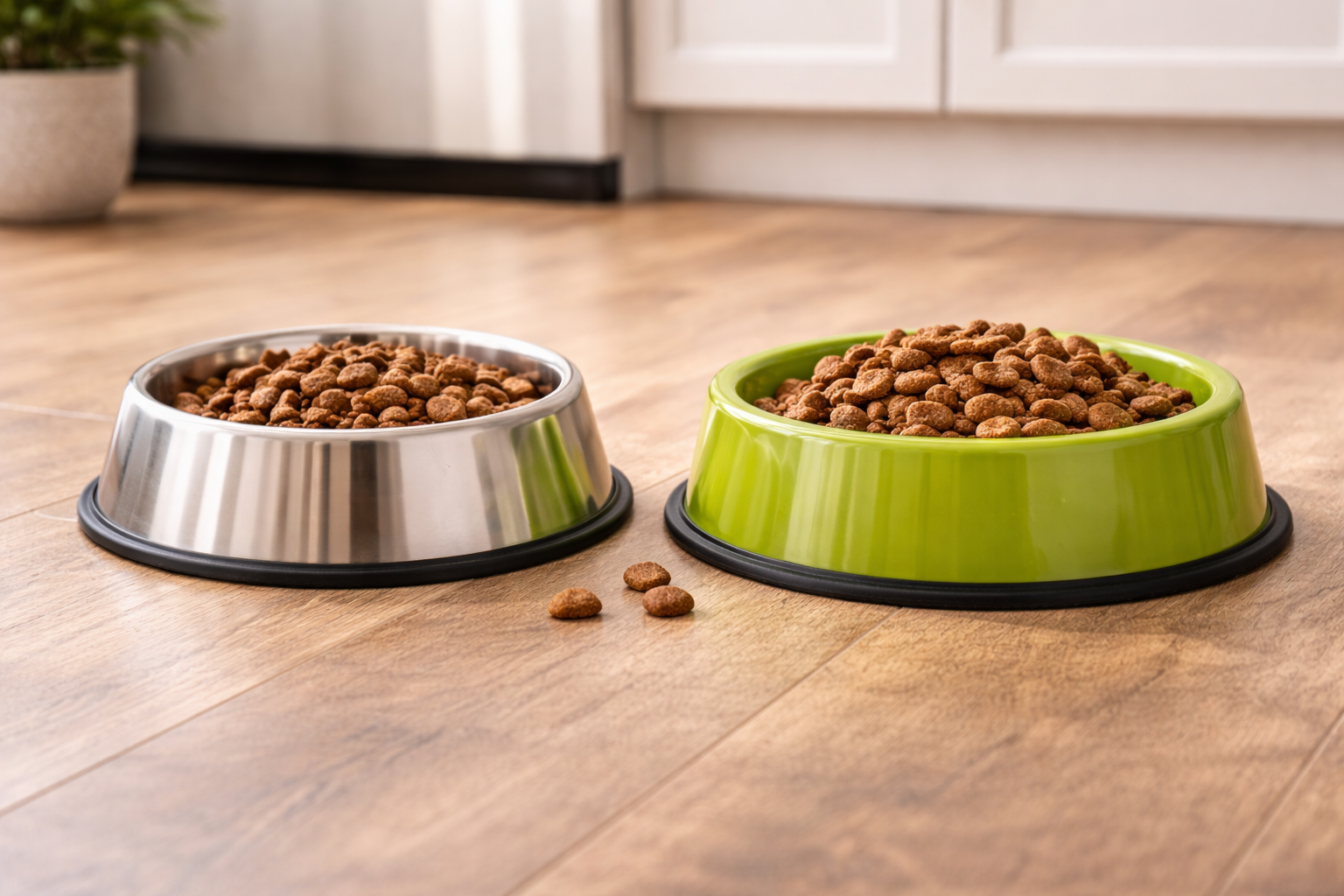
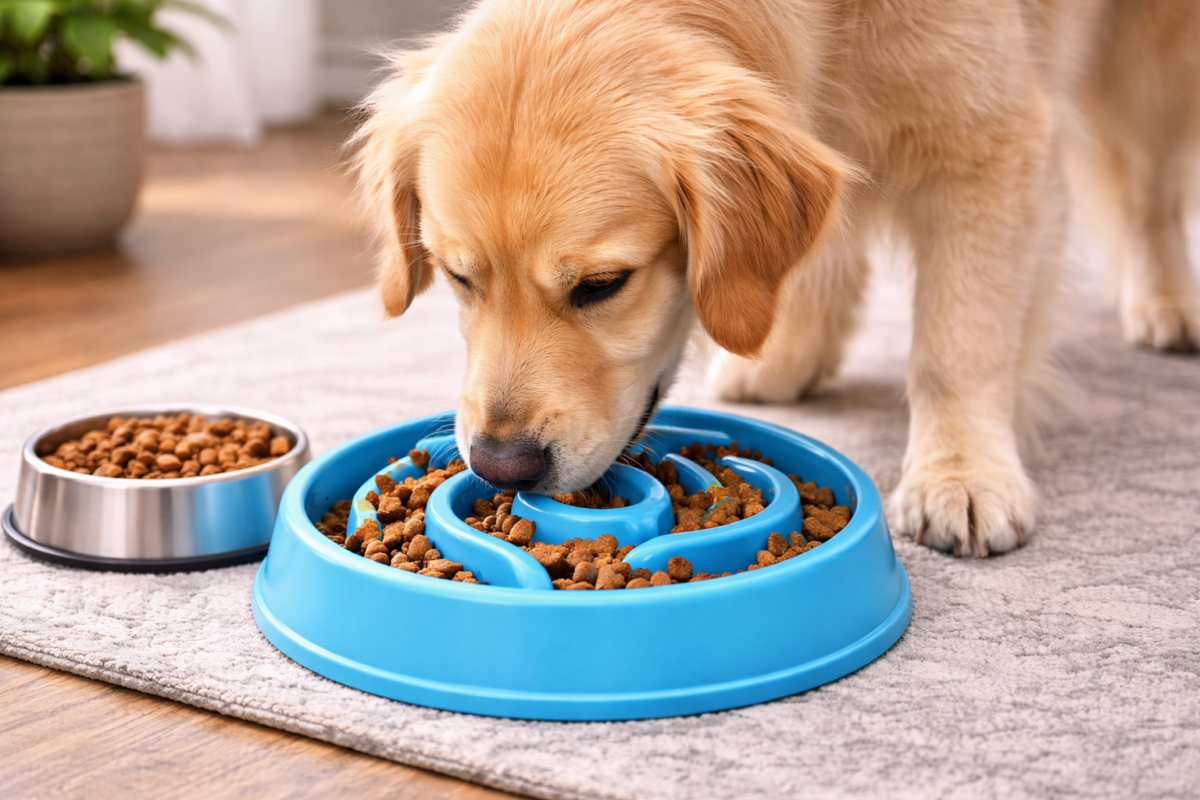
Choosing the right feeding bowl for your dog might seem like a small decision—but it directly impacts hygiene, durability, safety, and even your dog’s health. Two of the most common options available are stainless steel and plastic bowls.
So which one should you buy?
In this complete guide, we’ll compare stainless steel vs plastic dog bowls, break down the pros and cons of each, discuss health considerations, and help you choose the safest and most practical option for your dog.
Why Your Dog’s Feeding Bowl Matters
Your dog eats and drinks from the same bowl every day. That means:
Bacteria buildup matters
Material safety matters
Durability matters
Cleaning convenience matters
An unsuitable bowl can cause skin irritation, bacterial contamination, or frequent replacements—leading to long-term inconvenience and cost.
Stainless Steel Dog Bowls
Stainless steel bowls are widely recommended by veterinarians and pet professionals.
Advantages of Stainless Steel Bowls
1. Highly Durable
Stainless steel:
Does not crack easily
Resists chewing damage
Lasts for years
Perfect for energetic or large dogs.
2. Hygienic and Non-Porous
The smooth surface:
Prevents bacteria buildup
Resists odors
Does not absorb food particles
This makes cleaning easier and safer.
3. Dishwasher Safe
Most stainless steel bowls are:
Easy to sanitize
Heat-resistant
Rust-resistant (if high quality)
4. Hypoallergenic
Some dogs develop “plastic bowl dermatitis” or chin acne from plastic bowls. Stainless steel reduces this risk.
5. Resistant to Scratches
Unlike plastic, stainless steel does not develop deep scratches that trap bacteria.
Disadvantages of Stainless Steel Bowls
Can slide on smooth floors (unless non-slip base)
Basic design (less colorful options)
May dent if dropped hard
However, these drawbacks are minor compared to the benefits.
Plastic Dog Bowls
Plastic bowls are affordable and widely available.
Advantages of Plastic Bowls
1. Budget-Friendly
Plastic bowls are:
Inexpensive
Easy to replace
Widely accessible
Great for temporary or travel use.
2. Lightweight
Easy to:
Carry
Move
Use for small puppies
3. Variety of Designs
Plastic bowls come in:
Bright colors
Fun shapes
Themed prints
Popular among new pet owners.
Disadvantages of Plastic Bowls
1. Scratches Easily
Over time:
Teeth marks
Food abrasion
Cleaning tools
Cause small scratches that trap bacteria.
2. Can Harbor Bacteria
Plastic is porous compared to stainless steel. Scratches allow bacteria growth that may lead to:
Skin irritation
Chin acne
Digestive issues
3. Potential Chemical Concerns
Some low-quality plastic bowls may contain:
BPA
Harmful dyes
Chemical residues
Always choose food-grade, BPA-free plastic if buying plastic bowls.
4. Shorter Lifespan
Plastic bowls often need frequent replacement due to wear and tear.
Stainless Steel vs Plastic: Side-by-Side Comparison
Feature
Stainless Steel
Plastic
Durability
Very High
Low to Medium
Hygiene
Excellent
Moderate
Scratch Resistance
High
Low
Cost
Moderate
Low
Weight
Moderate
Lightweight
Design Variety
Limited
Wide Variety
Long-Term Value
Excellent
Moderate
Allergy Risk
Very Low
Higher
Which Bowl Is Better for Puppies?
For puppies:
Stainless steel is safer long-term
Plastic may be acceptable temporarily
Since puppies chew everything, plastic bowls can quickly become scratched.
Which Bowl Is Better for Large Dogs?
Large dogs are stronger and more active. Stainless steel bowls are better because they:
Resist tipping
Handle rough use
Last longer
Choose bowls with non-slip rubber bases.
Which Bowl Is Best for Dogs with Sensitive Skin?
Stainless steel is the best option for dogs that experience:
Chin acne
Skin irritation
Allergic reactions
Switching from plastic to stainless steel often reduces these problems.
When Is Plastic Acceptable?
Plastic bowls may be suitable:
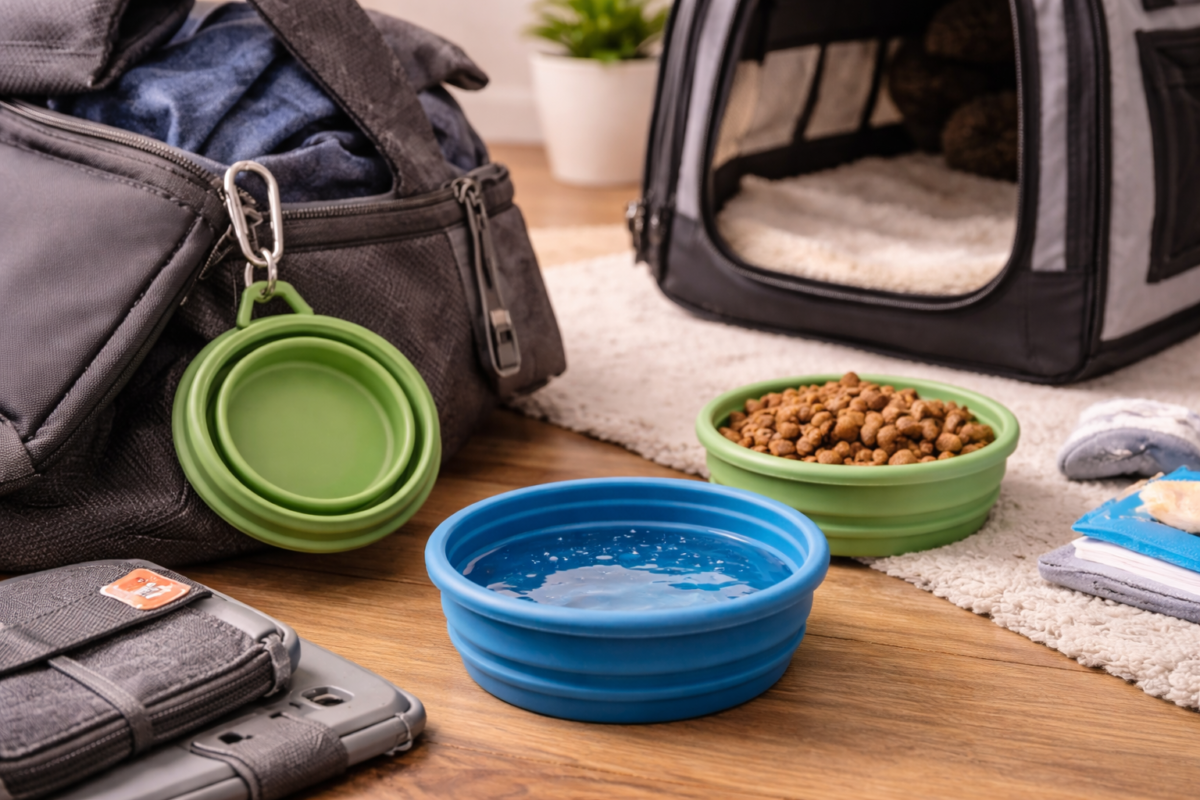
For short travel trips
As backup bowls
For very young puppies (temporary)
If BPA-free and high-quality
However, regular inspection is necessary.
Cleaning Tips for Both Bowls
Regardless of material:
Wash daily
Use hot water
Avoid harsh chemicals
Dry completely before refilling
Even stainless steel bowls require regular cleaning to prevent bacterial growth.
Common Signs Your Bowl Needs Replacement
Visible scratches
Cracks
Rust (low-quality steel)
Persistent odor
Discoloration
If your dog’s bowl shows damage, replace it immediately.
What About Ceramic Bowls?
While not the focus here, ceramic bowls are another option. However:
They can crack
Chips harbor bacteria
Heavier to move
High-quality stainless steel still remains the safest and most recommended option.
Final Verdict: Stainless Steel vs Plastic
If you’re looking for:
Durability
Hygiene
Long-term safety
Minimal allergy risk
👉 Stainless steel bowls are the clear winner.
Plastic bowls are affordable and lightweight but may pose hygiene concerns over time.
For most dog owners, investing in a high-quality stainless steel bowl with a non-slip base is the best long-term decision.
Your dog eats from this bowl every single day. Choosing the safest material supports better health, hygiene, and convenience for years to come.


 Accessories & Others
 Apparel
 Beds & Furniture
 Cages & Accessories
 Carriers & Strollers
 Doors, Gates & Ramps
 Flea & Tick Control
 Grooming
 Litter & Housebreaking
 Memorials & Funerary
 Accessories & Others
 Apparel
 Beds & Furniture
 Cages & Accessories
 Carriers & Strollers
 Cat Doors,Steps, Nets.
 Collars, Harnesses & leashes
 Flea & Tick Control
 Grooming
 Cages& Accessories
 Cow Mastitis Detectors
 Ear Tags
 Aquarium Accessories
 Aquarium Cleaners
 Aquarium Decor
 Aquarium Lights
 Aquarium Pumps & Filter
 Aquariums & Fish Bowls
 Automatic Feeders