Chewing is a natural behavior for dogs. It helps relieve stress, supports dental health, and keeps them mentally stimulated. However, when chewing turns destructive—ruining shoes, furniture, or household items—it becomes a serious problem.
The good news? You can stop destructive chewing by understanding why it happens and providing the right toys and training.
In this complete guide, we’ll explore the causes of destructive chewing, how to correct it, and the best types of toys to redirect your dog’s behavior safely.
Why Dogs Chew
Before solving the problem, you need to understand it.
Dogs chew for several reasons:
- Teething (puppies)
- Boredom
- Anxiety
- Stress
- Lack of exercise
- Excess energy
- Curiosity
- Attention-seeking
Chewing itself isn’t bad. The target of chewing is what matters.
Common Causes of Destructive Chewing
1. Teething Puppies
Puppies between 3–6 months chew to relieve gum discomfort. Without proper chew toys, they will choose whatever is available.
2. Boredom and Lack of Stimulation
Dogs left alone without mental enrichment often chew to entertain themselves.
High-energy breeds are especially prone to boredom-related chewing.
3. Separation Anxiety
Dogs with separation anxiety may chew doors, furniture, or personal items when left alone.
4. Excess Energy
Dogs that don’t get enough exercise often release pent-up energy through chewing.
Step 1: Provide the Right Chew Toys
The most effective way to stop destructive chewing is to redirect it.
Types of Chew Toys That Work
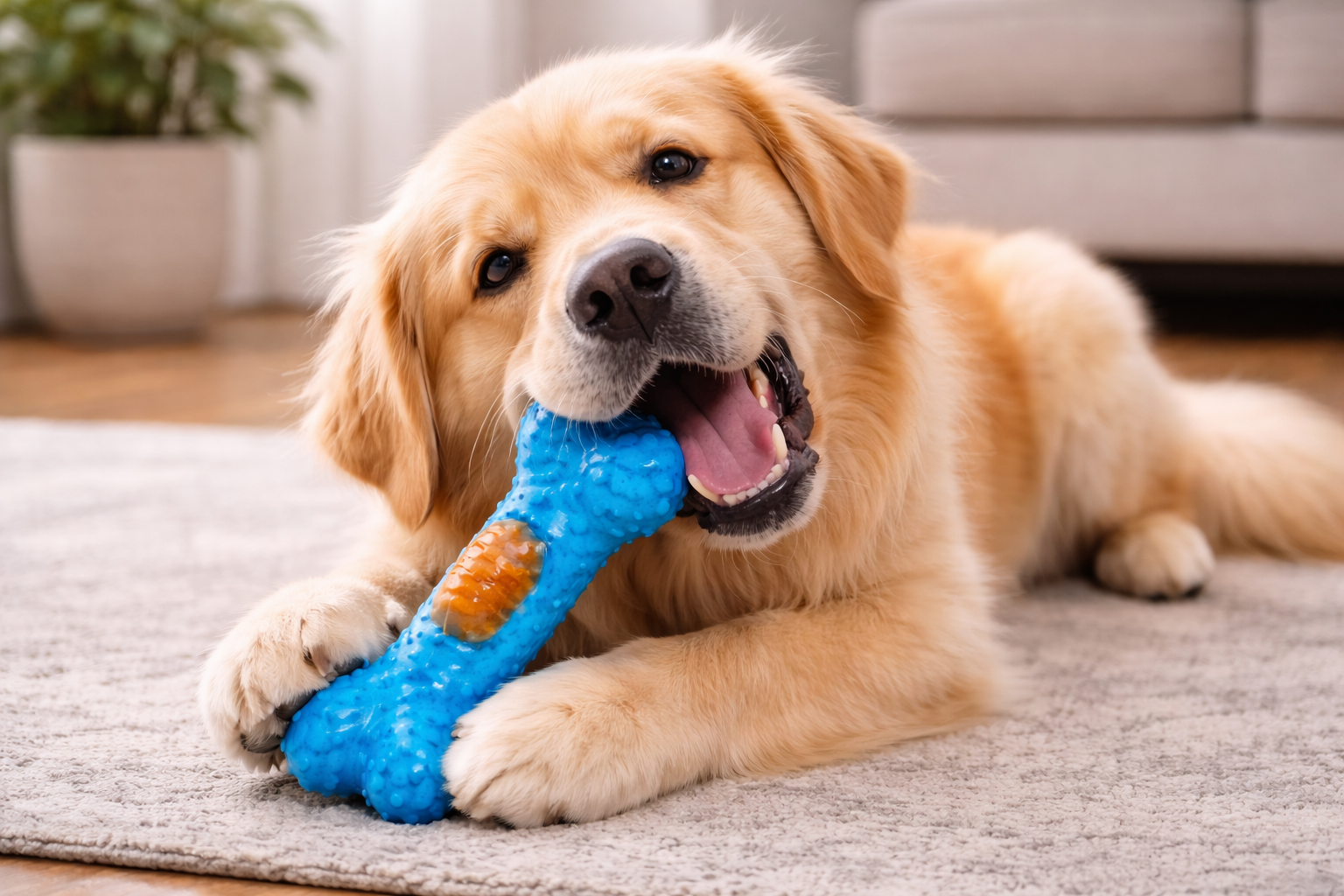
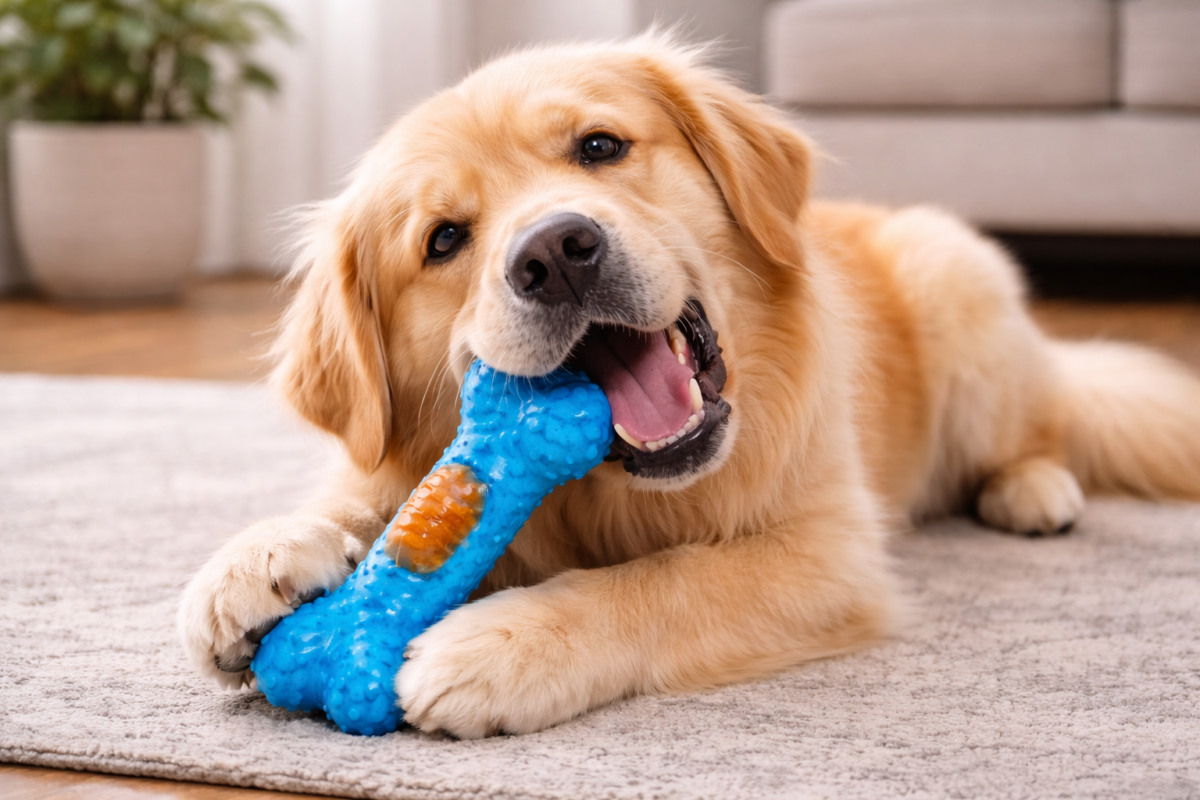
1. Durable Rubber Chew Toys
- Long-lasting
- Great for aggressive chewers
- Can be stuffed with treats
These satisfy natural chewing urges safely.
2. Rope Toys
- Good for moderate chewers
- Support dental cleaning
- Great for interactive tug play
Not ideal for heavy shredders.
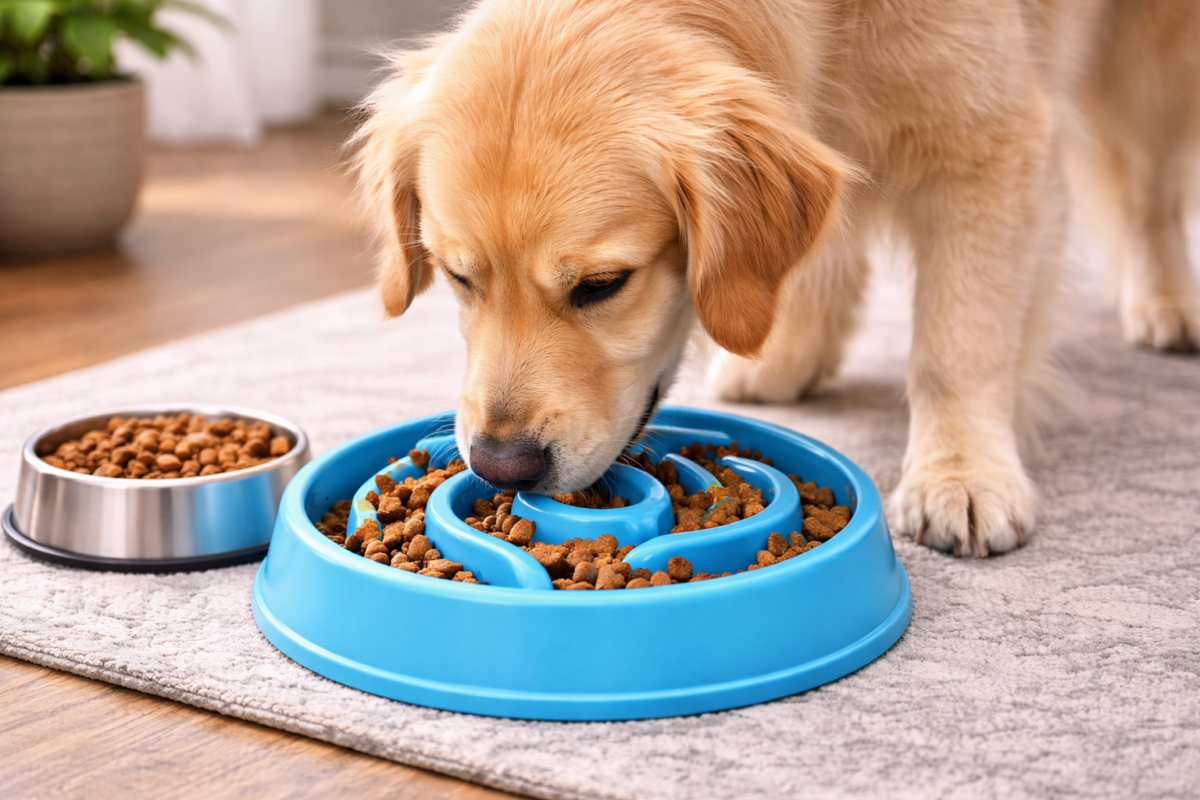
3. Treat-Dispensing Toys
- Combine chewing with mental stimulation
- Keep dogs engaged longer
- Reduce boredom
Perfect for high-energy dogs.
4. Dental Chews
- Promote oral health
- Reduce plaque buildup
- Provide safe chewing outlet
Always choose size-appropriate options.
5. Frozen Chew Toys (For Puppies)
- Soothe sore gums
- Reduce teething discomfort
- Safe and calming
Step 2: Rotate Toys Regularly
Dogs get bored with the same toys.
Tip:
- Keep 3–5 toys available
- Rotate weekly
- Introduce new textures
Rotation keeps toys interesting.
Step 3: Remove Temptation
Management is important.
- Keep shoes in closed closets
- Block access to furniture
- Use baby gates
- Supervise when possible
Preventing access reduces bad habits.
Step 4: Increase Physical Exercise
A tired dog is less likely to chew destructively.
Daily exercise recommendations:
- Small dogs: 30–45 minutes
- Medium dogs: 45–60 minutes
- High-energy breeds: 60–120 minutes
Include:
- Walks
- Fetch
- Tug games
- Agility activities
Step 5: Add Mental Stimulation
Mental exercise reduces boredom.
Try:
- Puzzle toys
- Snuffle mats
- Training sessions
- Hide-and-seek games
Mental work can tire a dog faster than physical exercise.
Step 6: Teach “Leave It” and “Drop It”
Training commands help redirect behavior.
When your dog grabs something inappropriate:
- Calmly say “Leave it.”
- Offer a chew toy.
- Reward immediately when they switch.
Consistency is key.
What NOT to Do
❌ Yell or punish harshly
❌ Use physical discipline
❌ Chase your dog
❌ Give up quickly
❌ Offer unsafe household items
Punishment increases anxiety, which can worsen chewing.
Signs Your Dog Needs Better Chew Toys
- Chews furniture daily
- Destroys toys quickly
- Seems restless indoors
- Whines when alone
- Ignores current toys
Upgrade to more durable or engaging options.
Choosing Toys Based on Chewing Strength
Light Chewers
- Soft rubber
- Plush toys (supervised)
Moderate Chewers
- Rope toys
- Thick rubber toys
Aggressive Chewers
- Heavy-duty rubber
- Industrial-strength chew toys
- Reinforced materials
Always supervise new toys.
When Chewing Becomes a Medical Concern
Consult a vet if:
- Chewing is obsessive
- Dog eats non-food items
- Gums bleed excessively
- Behavior changes suddenly
Underlying medical issues can sometimes cause chewing.
How Long Does It Take to Stop Destructive Chewing?
With consistent redirection and training:
- Puppies improve as teething ends
- Adult dogs improve within weeks
- Severe cases may take longer
Patience and consistency matter most.
Creating a Chew-Friendly Environment
Instead of eliminating chewing, create appropriate outlets.
Provide:
- Multiple safe chew toys
- Regular exercise
- Structured play
- Training time
Make correct choices easier than wrong ones.
Are Expensive Chew Toys Worth It?
Higher-quality toys:
- Last longer
- Are safer
- Reduce replacement cost
- Provide better engagement
Cheap toys often break quickly and pose choking risks.
Investing in durable chew toys saves money long term.
Final Thoughts
Destructive chewing is not a sign of a “bad dog.” It’s usually a sign of unmet needs—whether physical, mental, or emotional.
The solution isn’t stopping chewing altogether. It’s redirecting it with the right toys, proper training, and consistent management.
When you provide durable chew toys, increase exercise, and offer mental stimulation, you turn destructive habits into healthy ones.
With patience and the right tools, your dog can learn what’s appropriate to chew—and your furniture can finally stay safe.


 Accessories & Others
 Apparel
 Beds & Furniture
 Cages & Accessories
 Carriers & Strollers
 Doors, Gates & Ramps
 Flea & Tick Control
 Grooming
 Litter & Housebreaking
 Memorials & Funerary
 Accessories & Others
 Apparel
 Beds & Furniture
 Cages & Accessories
 Carriers & Strollers
 Cat Doors,Steps, Nets.
 Collars, Harnesses & leashes
 Flea & Tick Control
 Grooming
 Cages& Accessories
 Cow Mastitis Detectors
 Ear Tags
 Aquarium Accessories
 Aquarium Cleaners
 Aquarium Decor
 Aquarium Lights
 Aquarium Pumps & Filter
 Aquariums & Fish Bowls
 Automatic Feeders