Even indoor cats can escape. An open door, a broken window screen, or a moment of distraction can lead to a lost pet. That’s why identification and safety accessories are not optional—they’re essential.
Many cat owners believe microchips alone are enough. While microchipping is critical, visible identification like ID tags dramatically increases the chances of a quick reunion.
In this complete guide, we’ll explore cat ID tags, safety collars, microchips, GPS trackers, and other important safety accessories to help keep your feline companion protected.
Why Cat Identification Is So Important
Cats may escape due to:
- Open doors or windows
- Moving homes
- Vet visits
- Travel accidents
- Curiosity-driven behavior
Identification ensures that if someone finds your cat, they can quickly contact you.
Cat ID Tags: The First Line of Defense
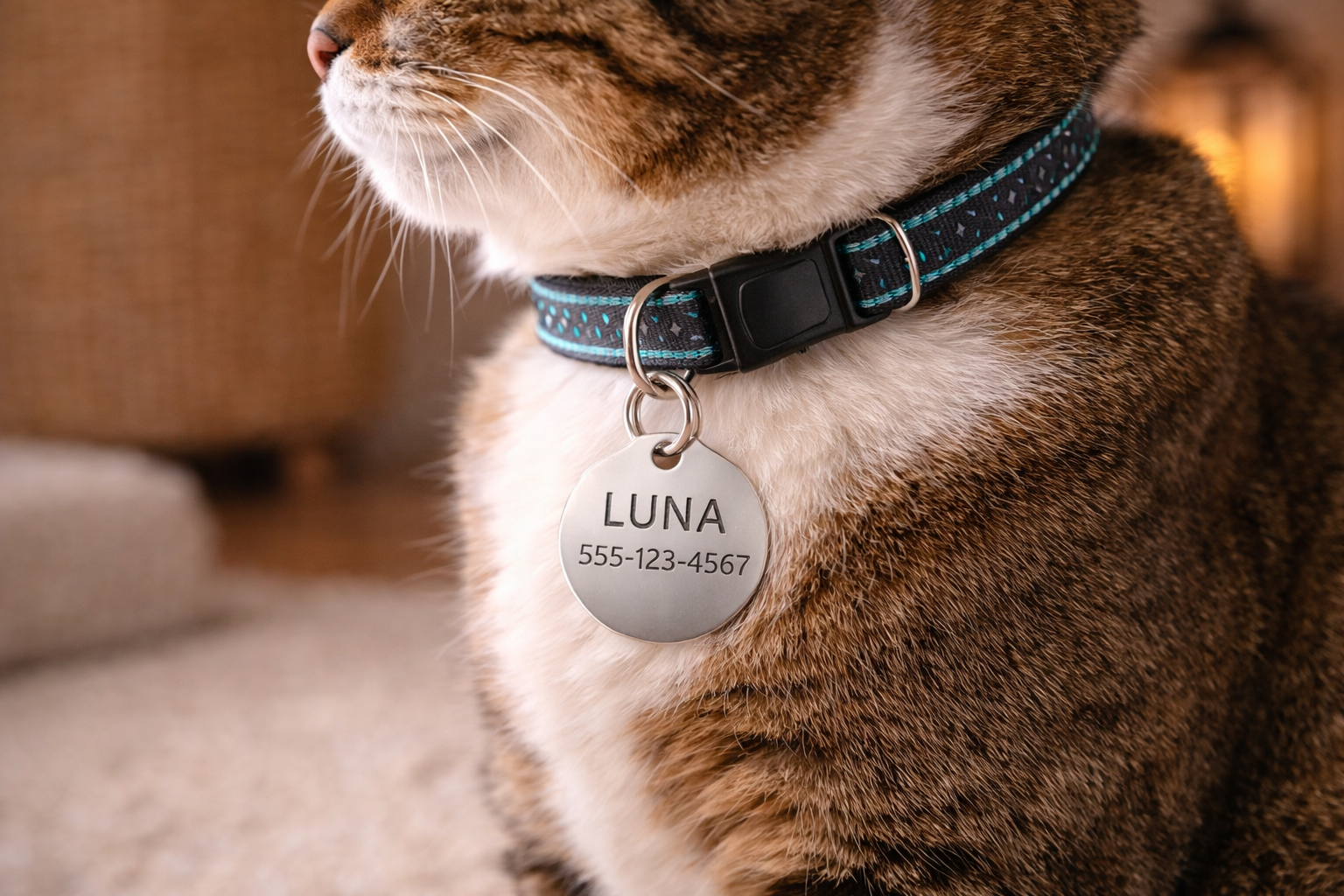
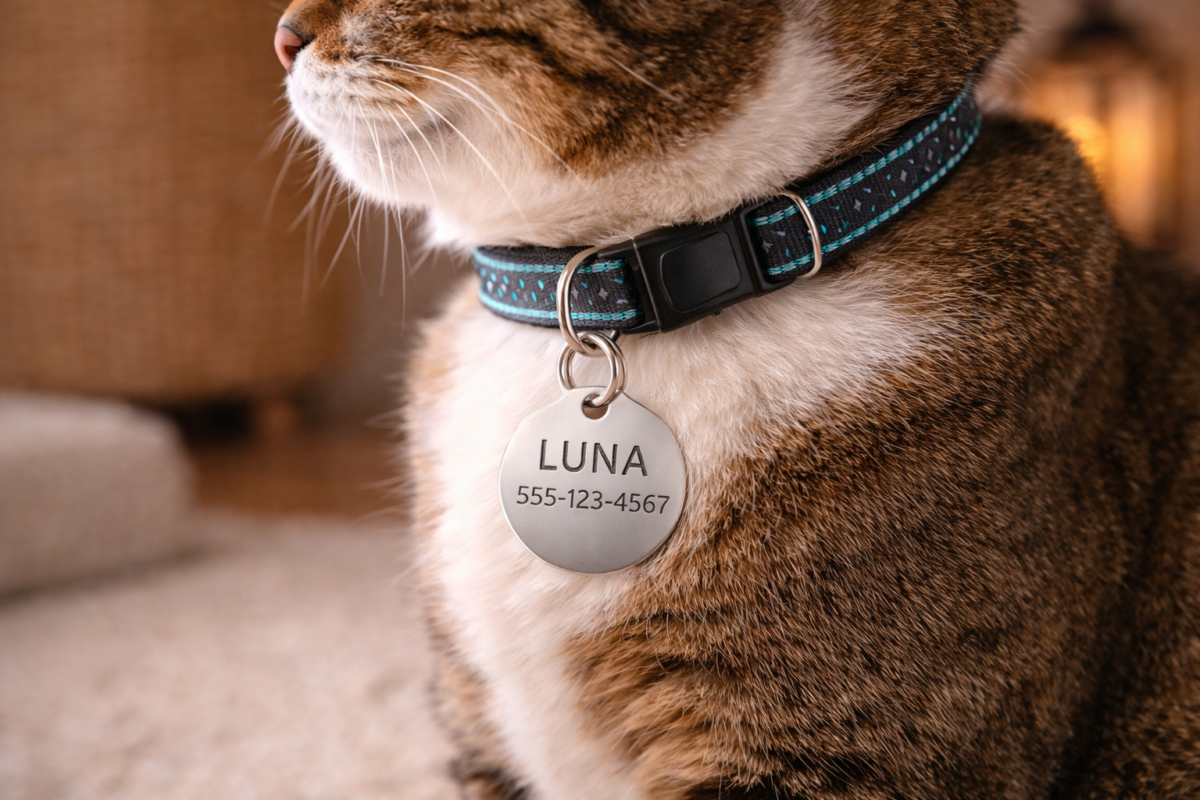
An ID tag is a small tag attached to your cat’s collar that displays your contact information.
What Should Be on a Cat ID Tag?
Minimum information:
- Cat’s name
- Owner’s phone number
Optional additions:
- “Indoor Cat” label
- Medical needs
- Secondary contact number
Keep text clear and readable.
Types of Cat ID Tags
1. Engraved Metal Tags
Most common option.
Pros:
- Durable
- Long-lasting
- Clear engraving
- Affordable
Best for everyday use.
2. Slide-On Collar Tags
These slide directly onto the collar rather than hanging.
Benefits:
- No dangling noise
- Less likely to fall off
- Sleek appearance
Great for noise-sensitive cats.
3. Silicone or Rubber Tags
Lightweight and flexible.
Pros:
- Quiet
- Comfortable
- Waterproof
Less durable than metal.
4. QR Code Tags
Modern option with scannable QR code.
Features:
- Stores digital profile
- Can include address, medical info
- Updatable online
Requires smartphone access.
Choosing the Right Collar for ID Tags
A tag is only useful if attached to a safe collar.
Breakaway Collars
Essential for safety.
Breakaway collars:
- Release under pressure
- Prevent choking hazards
- Reduce injury risk
Never use non-breakaway collars for cats.
Microchipping: A Critical Backup
A microchip is a small implant placed under your cat’s skin.
It contains:
- Unique identification number
- Linked owner contact information
Benefits:
- Permanent identification
- Cannot be removed easily
- Works even if collar falls off
However, microchips require a vet or shelter to scan them. That’s why visible ID tags are still crucial.
GPS Trackers for Cats
For extra security, GPS trackers offer real-time location tracking.
Benefits:
- Live tracking
- Activity monitoring
- Location history
Considerations:
- Requires charging
- Monthly subscription (some models)
- Slightly bulkier than tags
Best for outdoor cats or frequent travelers.
Reflective & Glow-in-the-Dark Accessories
Visibility matters—especially at night.
Reflective collars:
- Improve nighttime visibility
- Increase safety during outdoor exploration
Glow-in-the-dark tags:
- Help you locate your cat in dark rooms
- Add extra safety
These features complement identification tools.
Bell or No Bell?
Many collars include bells.
Pros:
- Alerts wildlife
- Helps you locate cat indoors
Cons:
- Some cats dislike noise
- May cause stress
If using a bell, ensure it’s lightweight and not irritating.
Indoor Cats Still Need ID
Many lost cats are strictly indoor pets.
Why indoor cats need tags:
- They panic outside
- They don’t know territory
- They may hide and get stuck
An ID tag increases quick return chances.
Common Mistakes to Avoid
❌ Using non-breakaway collars
❌ Not updating contact information
❌ Skipping microchipping
❌ Using oversized tags
❌ Ignoring collar fit
Proper setup prevents accidents.
How Tight Should a Cat Collar Be?
Follow the two-finger rule:
- You should fit two fingers comfortably between collar and neck
Too tight: uncomfortable
Too loose: risk of slipping off
Check fit regularly as cats grow.
Updating Information Is Essential
If you:
- Move homes
- Change phone number
- Change vet
Update both:
- ID tag
- Microchip registration
Outdated information makes identification useless.
Safety Accessories Beyond ID Tags
1. Window Guards
Prevent accidental falls or escapes.
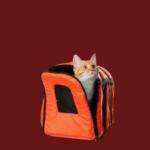
2. Secure Carriers
Essential for vet visits and travel.
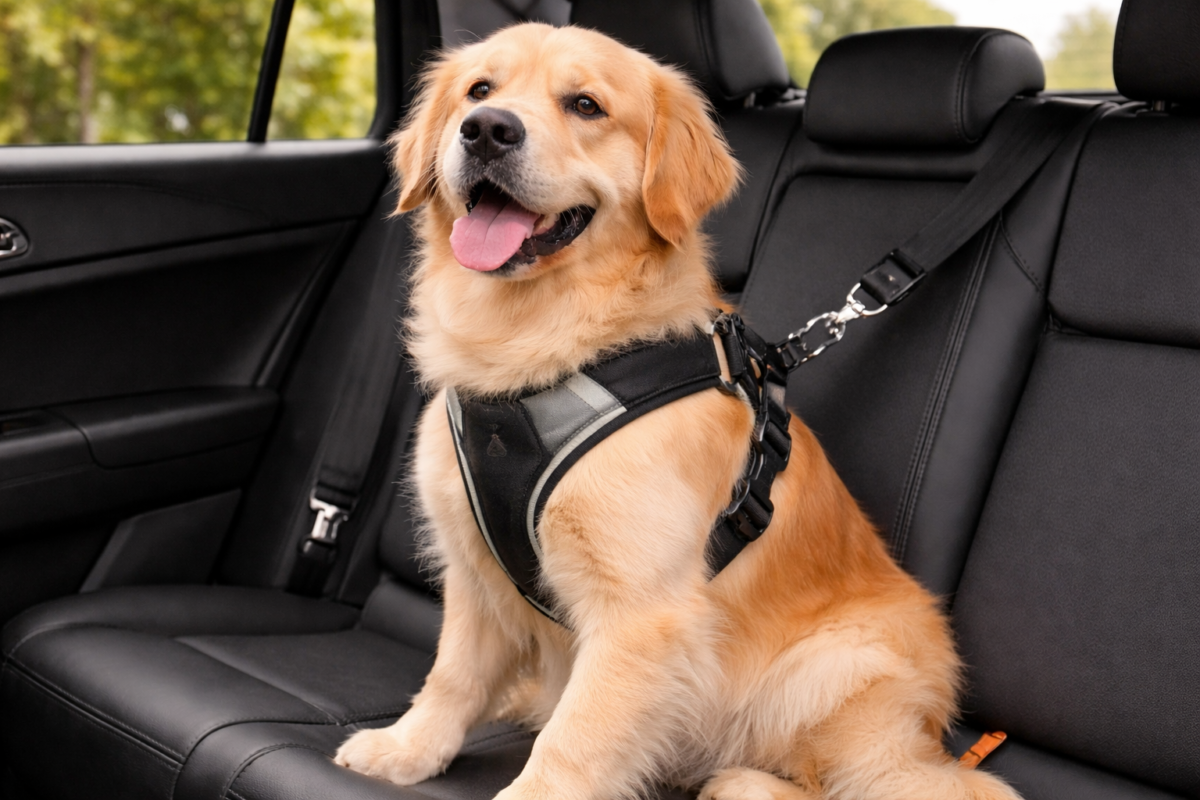
3. Harness & Leash
Safer than collars for outdoor exploration.
4. Reflective Collars
Improve nighttime safety.
How to Introduce a Collar to Your Cat
If your cat has never worn one:
- Start with short sessions
- Reward with treats
- Increase wear time gradually
- Ensure proper fit
Most cats adjust within a few days.
Are Expensive ID Tags Worth It?
Higher-quality tags:
- Last longer
- Resist fading
- Stay readable
Cheap tags may:
- Scratch easily
- Lose engraving
- Break quickly
Durability matters for long-term safety.
What to Do If Your Cat Loses Its Tag
Immediately:
- Replace the tag
- Check collar fit
- Consider slide-on tag option
Always keep backup tag available.
Creating a Complete Cat Safety Setup
Ideal combination:
- Breakaway collar
- Engraved ID tag
- Microchip
- Reflective feature
- Updated contact information
Layered protection increases safety.
Final Thoughts
Cat ID tags and safety accessories are small investments that make a huge difference. A simple engraved tag attached to a breakaway collar can mean the difference between a lost cat and a quick reunion.
Microchips provide permanent identification, while GPS trackers and reflective accessories add extra layers of protection.
Even indoor cats deserve proper identification. Accidents happen—but preparation saves lives.
Protect your cat today so you never have to worry tomorrow.


 Accessories & Others
 Apparel
 Beds & Furniture
 Cages & Accessories
 Carriers & Strollers
 Doors, Gates & Ramps
 Flea & Tick Control
 Grooming
 Litter & Housebreaking
 Memorials & Funerary
 Accessories & Others
 Apparel
 Beds & Furniture
 Cages & Accessories
 Carriers & Strollers
 Cat Doors,Steps, Nets.
 Collars, Harnesses & leashes
 Flea & Tick Control
 Grooming
 Cages& Accessories
 Cow Mastitis Detectors
 Ear Tags
 Aquarium Accessories
 Aquarium Cleaners
 Aquarium Decor
 Aquarium Lights
 Aquarium Pumps & Filter
 Aquariums & Fish Bowls
 Automatic Feeders