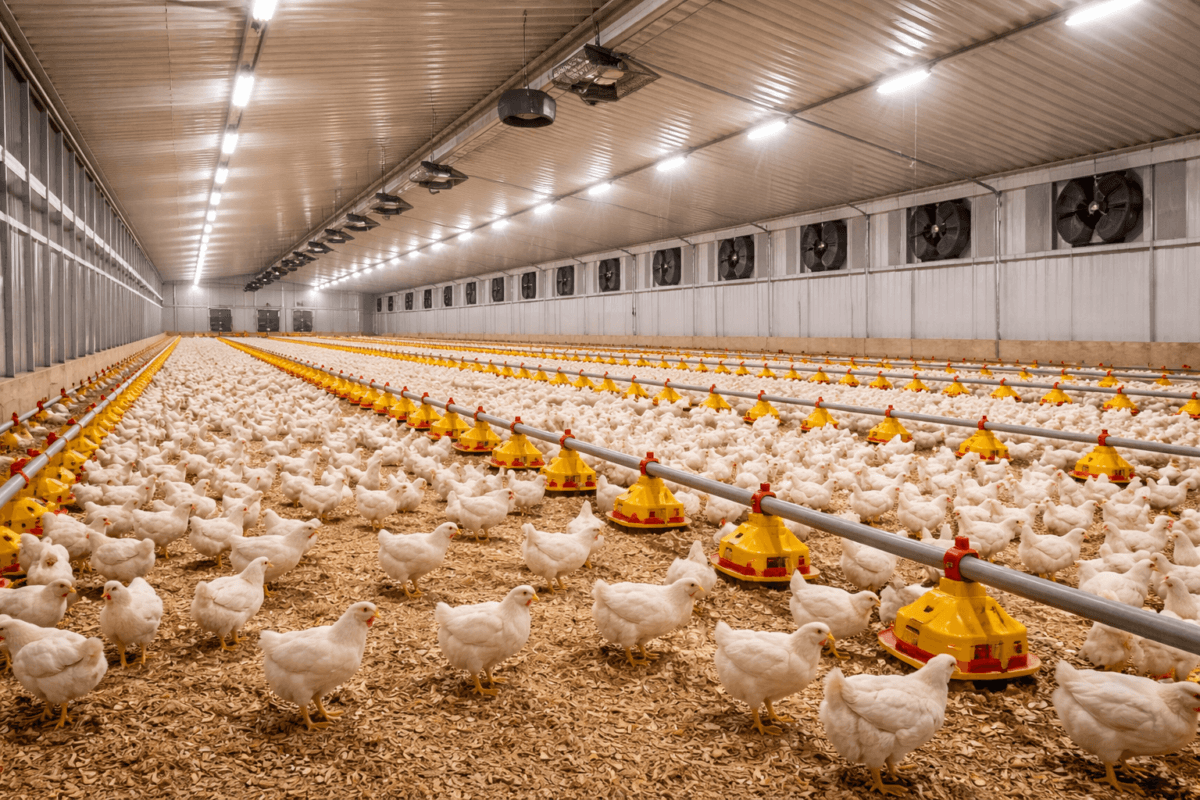
Raising healthy chicks starts with a proper brooder setup. The first 4–6 weeks of a chick’s life are critical for survival, growth, and immunity development. A well-equipped brooder provides warmth, safety, clean water, and balanced nutrition.
Whether you are a backyard poultry keeper or managing a small farm, having the right brooder accessories ensures better chick survival rates and faster growth. In this guide, we will cover all essential brooder setup accessories, their functions, and how to use them effectively.
What Is a B rooder?
A brooder is a controlled environment designed to mimic the warmth and protection provided by a mother hen. It keeps chicks warm, safe from predators, and protected from environmental stress.
Without a proper brooder setup, chicks are vulnerable to cold stress, dehydration, and disease.
Essential Brooder Setup Accessories
Below are the must-have accessories for a safe and efficient brooder system.
1. Brooder Box or Enclosure
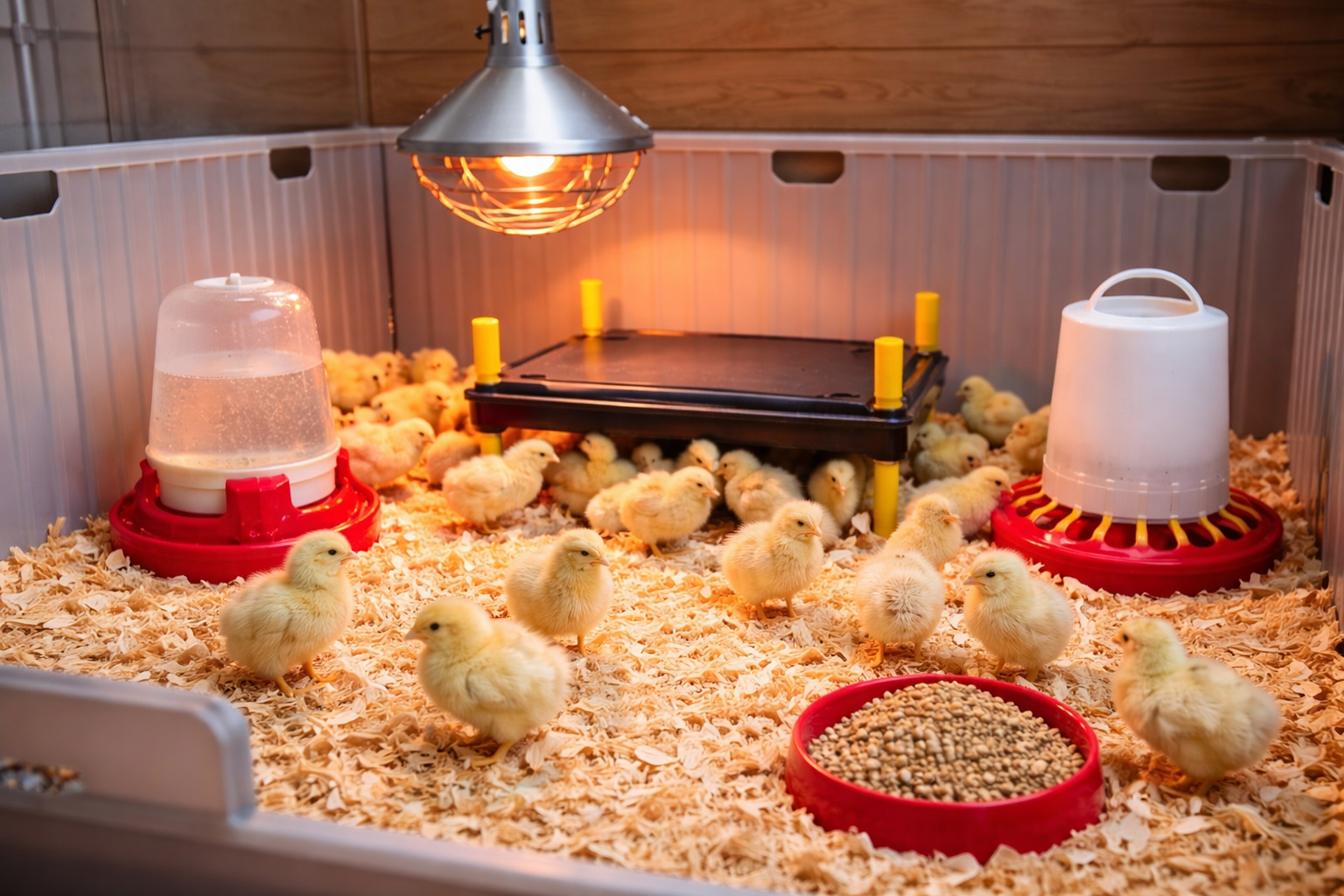
The brooder box is the foundation of your setup. It can be made from plastic tubs, wooden boxes, metal stock tanks, or commercial brooders.
Key Features:
- Adequate ventilation
- Easy to clean
- Predator-proof
- Sufficient space (0.5–1 sq ft per chick initially)
For larger operations, commercial brooders with built-in heating systems are recommended.
2. Heat Source (Heat Lamp or Brooder Plate)
Chicks cannot regulate body temperature during the first few weeks. Maintaining proper heat is crucial.
Temperature Guide:
- Week 1: 95°F (35°C)
- Reduce by 5°F each week
Options:
- Infrared heat lamps
- Ceramic heat emitters
- Electric brooder heating plates
Brooder plates are safer and more energy-efficient compared to traditional heat lamps.
3. Chick Feeders
Chicks require easy access to starter feed.
Recommended Features:
- Anti-waste design
- Stable base
- Easy refill system
Use chick starter crumble feed to ensure proper nutrition.
4. Chick Waterers
Fresh water is essential for chick health.
Tips:
- Use shallow waterers to prevent drowning
- Clean daily
- Add electrolytes during the first few days
Automatic nipple drinkers can reduce water contamination.
5. Bedding Material
Bedding absorbs moisture and controls odor.
Best Bedding Options:
- Pine shavings
- Wood shavings
- Rice husk
Avoid newspaper as it causes leg problems.
Replace bedding regularly to maintain hygiene.
6. Thermometer and Hygrometer
Monitoring temperature and humidity ensures a stable brooder environment.
Why It’s Important:
- Prevents overheating
- Reduces cold stress
- Maintains healthy respiratory conditions
Digital thermometers are accurate and easy to use.
7. Brooder Guard or Barrier
Brooder guards prevent chicks from straying too far from heat during early days.
They also:
- Prevent piling (which can cause suffocation)
- Keep chicks safe from drafts
8. Lighting System
While heat lamps provide warmth, additional lighting may be needed for proper feeding behavior.
- 18–22 hours of light during the first week
- Reduce gradually
Proper lighting improves feed intake and growth.
9. Grit and Supplements
After the first week, small amounts of chick grit may be introduced if feeding anything other than commercial starter feed.
Supplements include:
- Electrolytes
- Probiotics
- Vitamin boosters
Always consult a poultry expert before using supplements.
Space Requirements for Brooder Setup
Overcrowding increases stress and disease spread.
General Space Guide:
- Week 1–2: 0.5 sq ft per chick
- Week 3–4: 0.75 sq ft per chick
- Week 5–6: 1 sq ft per chick
Expand brooder space as chicks grow.
Cleaning and Biosecurity Tips
Good hygiene reduces disease outbreaks.
Daily Tasks:
- Replace wet bedding
- Clean waterers
- Remove spilled feed
Weekly Tasks:
- Disinfect brooder
- Inspect heating equipment
Limit visitor access to prevent contamination.
Common Brooder Setup Mistakes
- Overheating chicks
- Inadequate ventilation
- Using slippery flooring
- Overcrowding
- Ignoring temperature adjustments
Watch chick behavior:
- Huddling = too cold
- Scattered far from heat = too hot
- Evenly spread = comfortable
When to Move Chicks Out of the Brooder
Chicks are ready to move to the coop when:
- Fully feathered
- Ambient temperature is suitable
- Around 5–6 weeks old
Gradually reduce supplemental heat before transfer.
Benefits of a Proper Brooder Setup
A well-planned brooder system ensures:
- Higher survival rate
- Faster weight gain
- Strong immune system
- Reduced stress
- Lower mortality
Investing in quality brooder accessories saves money in the long run by reducing losses and improving productivity.
Final Thoughts
Setting up a proper brooder is the first and most important step in successful poultry farming. With the right accessories — brooder box, heat source, feeders, waterers, bedding, and monitoring tools — you create a safe environment for chicks to grow strong and healthy.
Whether you are raising a few backyard chicks or starting a commercial poultry operation, proper brooder setup directly impacts your future flock performance.
Plan carefully, monitor regularly, and maintain cleanliness to ensure optimal chick development.


 Accessories & Others
 Apparel
 Beds & Furniture
 Cages & Accessories
 Carriers & Strollers
 Doors, Gates & Ramps
 Flea & Tick Control
 Grooming
 Litter & Housebreaking
 Memorials & Funerary
 Accessories & Others
 Apparel
 Beds & Furniture
 Cages & Accessories
 Carriers & Strollers
 Cat Doors,Steps, Nets.
 Collars, Harnesses & leashes
 Flea & Tick Control
 Grooming
 Cages& Accessories
 Cow Mastitis Detectors
 Ear Tags
 Aquarium Accessories
 Aquarium Cleaners
 Aquarium Decor
 Aquarium Lights
 Aquarium Pumps & Filter
 Aquariums & Fish Bowls
 Automatic Feeders