If you live with a cat, scratched furniture is often part of the package. Sofas, chairs, carpets, and even walls can become targets for your cat’s claws. While scratching is completely natural behavior, it can quickly damage your home.
The good news? You don’t have to choose between protecting your furniture and keeping your cat happy.
With the right anti-scratch furniture protection accessories, you can safeguard your home while still meeting your cat’s natural needs.
In this complete guide, we’ll explore why cats scratch, the most effective protection options, and how to stop destructive scratching without harming your pet.
Why Cats Scratch Furniture
Scratching serves several important purposes:
- Sharpening claws
- Removing dead nail sheaths
- Stretching muscles
- Marking territory
- Relieving stress
It’s instinctual and necessary for your cat’s physical and mental health.
The goal isn’t to stop scratching entirely—it’s to redirect it.
Best Anti-Scratch Furniture Protection Accessories
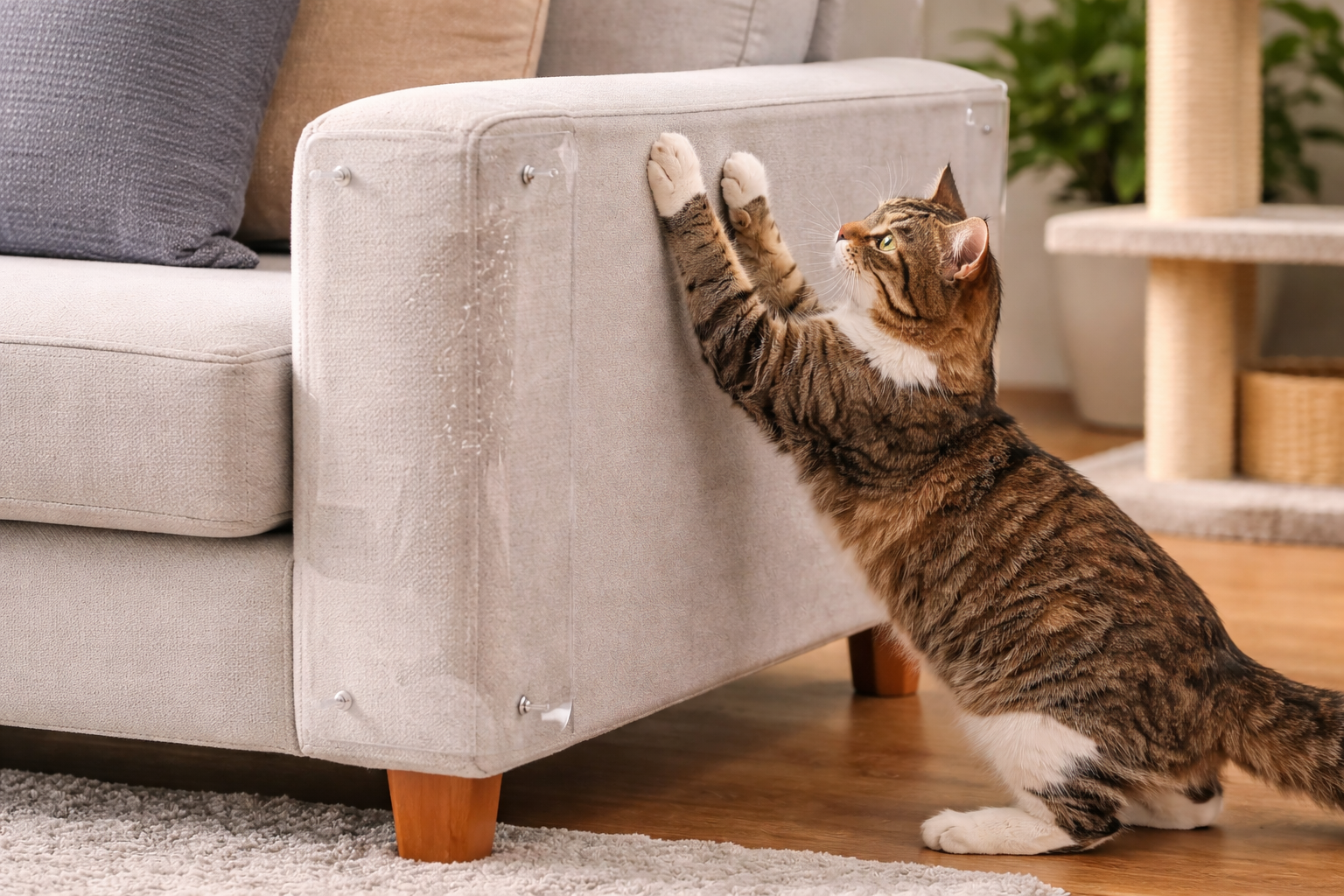
1. Furniture Scratch Guards (Transparent Protectors)
These clear plastic sheets attach to furniture surfaces.
Benefits:
- Protects fabric from claw damage
- Nearly invisible
- Easy to install
- Removable without residue
Best for:
- Sofas
- Armrests
- Dining chairs
Look for thick, durable material with strong adhesive.
2. Scratch-Resistant Furniture Covers
Slipcovers made from claw-resistant fabric.
Advantages:
- Full protection
- Easy to wash
- Protects entire sofa
Ideal for:
- Multi-cat homes
- High-traffic areas
Choose tightly woven, durable materials.
3. Corner Protectors
Many cats target sofa corners.
Corner guards:
- Shield high-scratch zones
- Reinforce vulnerable areas
- Are discreet and affordable
Great for sectional sofas.
4. Double-Sided Anti-Scratch Tape
Cats dislike sticky surfaces.
Applying double-sided tape to scratch areas:
- Discourages scratching
- Harmless deterrent
- Temporary training aid
Use short-term to retrain behavior.
5. Furniture Shields & Panels
Freestanding scratch shields can be placed between cat and furniture.
Advantages:
- No adhesive needed
- Portable
- Good for rental homes
6. Scratch Posts & Boards (Redirection Tools)
While not direct protection, scratch posts are essential.
Place them:
- Next to furniture
- Near sleeping areas
- In high-traffic zones
Redirection is more effective than punishment.
Choosing the Right Protection Accessory
1. Identify Scratching Patterns
Observe:
- Which furniture is targeted
- Vertical or horizontal scratching
- Frequency and timing
Choose solution accordingly.
2. Match Material to Furniture Type
For fabric sofas:
- Clear scratch guards
- Slipcovers
For leather furniture:
- Strong plastic shields
- Reinforced panels
3. Consider Aesthetics
Modern protectors are:
- Transparent
- Discreet
- Minimalist
Choose options that blend with décor.
4. Ease of Installation
Look for:
- Simple adhesive backing
- Screw-in corner panels (if acceptable)
- Adjustable straps
Avoid overly complicated setups.
Preventing Scratching Long-Term
Protection accessories are helpful, but behavior management is essential.
Provide Alternative Scratching Options
Offer:
- Tall scratching posts
- Cardboard scratch pads
- Sisal boards
Placement matters more than quantity.
Trim Claws Regularly
Routine nail trimming:
- Reduces damage
- Prevents deep fabric tears
Trim every 2–3 weeks.
Use Catnip Strategically
Apply catnip to scratch posts to encourage use.
Reward Good Behavior
When your cat uses a scratch post:
- Offer treats
- Use positive reinforcement
Avoid punishment—it increases stress.
Are Nail Caps a Good Option?
Soft nail caps can:
- Prevent furniture damage
- Last 4–6 weeks
However:
- Not suitable for all cats
- Requires patience for application
Consult a vet if unsure.
What Not to Do
❌ Declawing (harmful and painful)
❌ Yelling or punishing
❌ Spraying harsh chemicals
❌ Ignoring scratching behavior
Address the root cause instead.
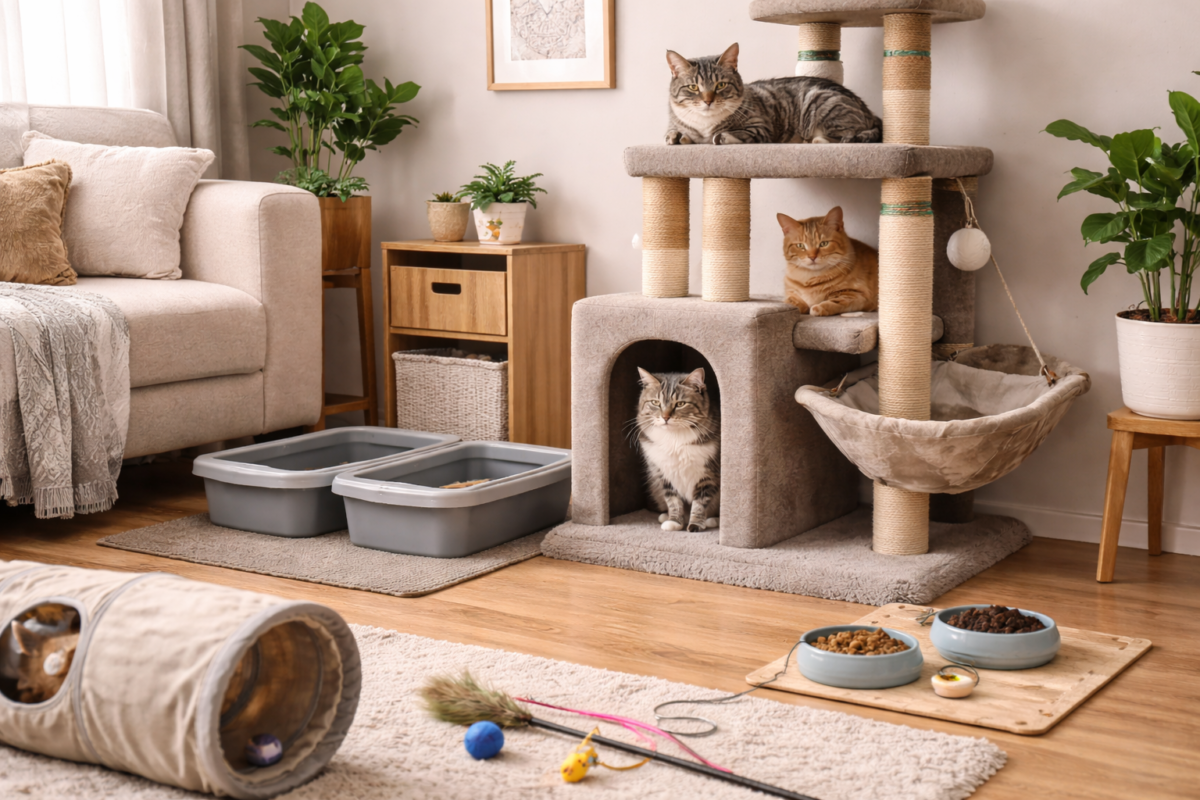
Best Setup for Maximum Protection
Ideal strategy:
- Install clear scratch guards
- Add tall scratching post nearby
- Use temporary double-sided tape
- Trim claws regularly
Layered approach works best.
How Long Do Scratch Guards Last?
High-quality guards can last:
Depending on usage and cat behavior.
Replace if peeling or damaged.
Signs Protection Is Working
- Reduced scratching attempts
- Increased use of scratch posts
- Less visible furniture damage
- Calm and confident cat
Consistency is key.
Budget vs Premium Protection Accessories
Budget options:
- Work for light scratching
- May wear out quickly
Premium options:
- More durable
- Stronger adhesive
- Better aesthetic finish
Investment often pays off long-term.
Are Anti-Scratch Accessories Worth It?
Absolutely.
They:
- Save furniture
- Reduce stress
- Protect expensive sofas
- Provide peace of mind
Combined with behavior training, they are highly effective.
Final Thoughts
Scratching is natural—but destroyed furniture doesn’t have to be.
With the right anti-scratch furniture protection accessories, you can protect your home while keeping your cat happy and healthy.
Transparent guards, slipcovers, corner shields, and proper scratching posts work together to reduce damage effectively.
Remember, the goal isn’t to stop scratching—it’s to redirect it.
By combining protection tools with positive training, you can create a cat-friendly home without sacrificing your furniture.


 Accessories & Others
 Apparel
 Beds & Furniture
 Cages & Accessories
 Carriers & Strollers
 Doors, Gates & Ramps
 Flea & Tick Control
 Grooming
 Litter & Housebreaking
 Memorials & Funerary
 Accessories & Others
 Apparel
 Beds & Furniture
 Cages & Accessories
 Carriers & Strollers
 Cat Doors,Steps, Nets.
 Collars, Harnesses & leashes
 Flea & Tick Control
 Grooming
 Cages& Accessories
 Cow Mastitis Detectors
 Ear Tags
 Aquarium Accessories
 Aquarium Cleaners
 Aquarium Decor
 Aquarium Lights
 Aquarium Pumps & Filter
 Aquariums & Fish Bowls
 Automatic Feeders