Feeding your pet seems like a simple task—until life gets busy. Between work, travel, errands, and the unexpected moments that life throws your way, managing your pet’s feeding schedule can sometimes feel overwhelming. This is where pet feeders come into play, designed to make feeding routines easier, more consistent, and stress-free for both you and your pet.
But with so many options available, one of the key questions pet owners ask is: Automatic vs Manual Pet Feeders – Which Is Better?
In this comprehensive guide, we’ll explore the differences between automatic and manual pet feeders, examine their advantages and disadvantages, and help you determine which is best suited to your pet’s lifestyle and your daily routine.
Understanding Manual Pet Feeders
A manual pet feeder is one that requires you to physically dispense your pet’s food. This could be as simple as a traditional bowl where you pour kibble each day, or a timed dispenser that requires manually resetting at each feeding.
Types of Manual Feeders
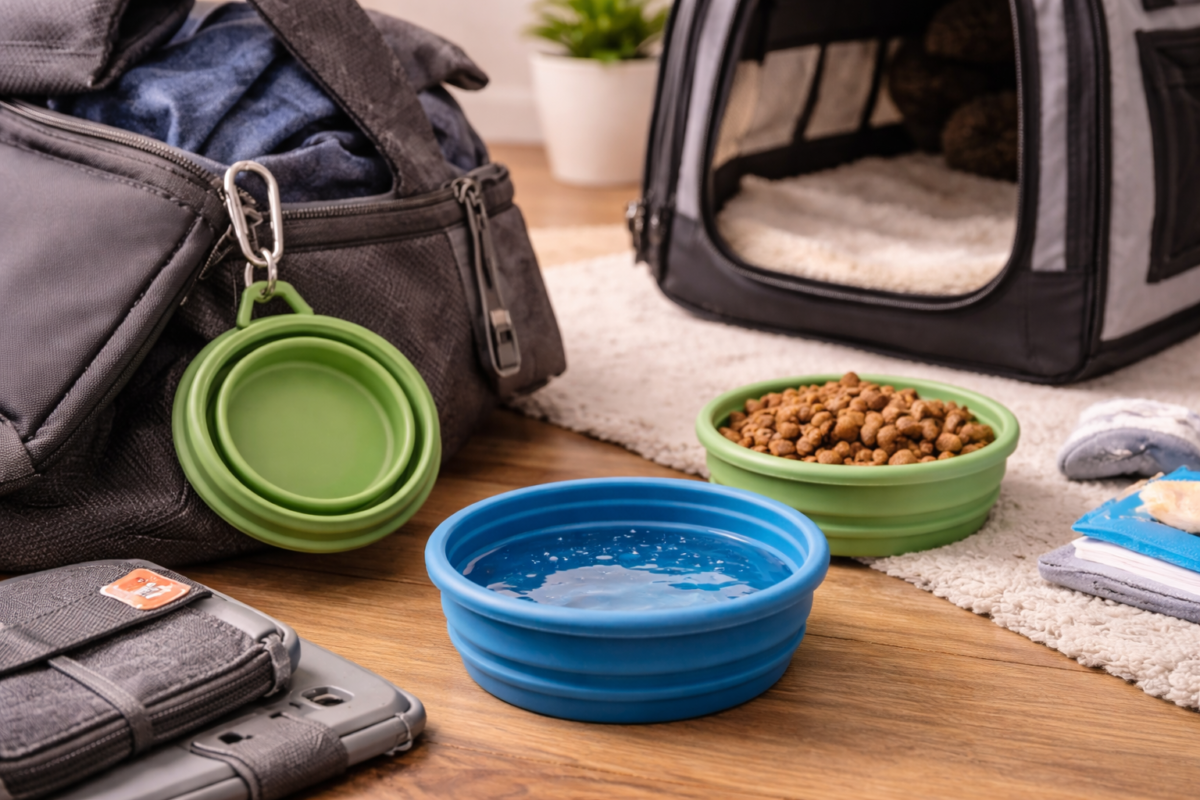
Traditional food bowls: You fill them directly by hand each meal.
Gravity feeders: Automatically refill as your pet eats using gravity but still require manual food loading.
Timed dispenser (manual setting): You set the time and portion each day but still need to check and refill the feeder.
Key Benefits of Manual Pet Feeders
1. Simple and Affordable Manual feeders are straightforward and typically cost much less than automatic models.
2. No Batteries or Power Required These feeders work without electricity or Wi-Fi, so there’s no risk of malfunction due to power outages.
3. Pet-Directed Handling Pets quickly adapt to bowls and gravity feeders since they resemble traditional mealtime routines.
Limitations of Manual Feeders
Reliability depends on you — If you forget to fill the bowl or set the timer, your pet may miss meals.
Not ideal for irregular schedules — For owners with unpredictable routines, manual feeders can create inconsistency.
No portion control features — Unless paired with measuring tools, it’s easy to overfeed.
Understanding Automatic Pet Feeders
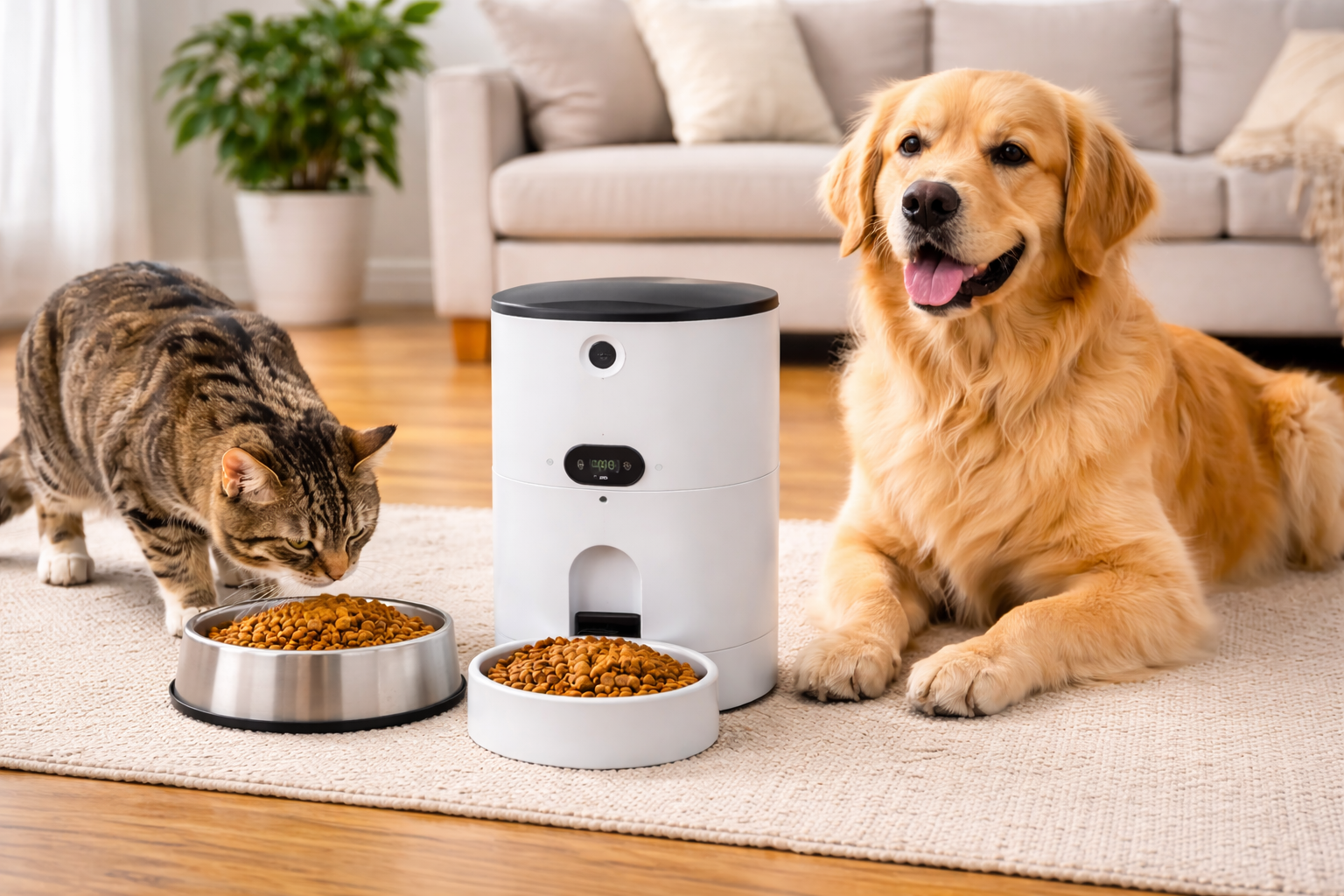
Automatic pet feeders use technology to dispense food at programmed times and in controlled portions—often without you needing to be home. Many smart feeders connect to apps, offer notifications, and can adjust feeding plans remotely.
Types of Automatic Feeders
Programmable digital feeders: Allow you to schedule meals and portion sizes.
Smart Wi-Fi feeders: Connect to apps for remote control and alerts.
Microchip/RFID feeders: Only dispense food when the correct pet (using a chip or collar tag) approaches—great for multi-pet homes.
Key Benefits of Automatic Feeders
1. Consistent Feeding Schedule Your pet gets meals on time, even when you’re not home—helpful for pets with strict dietary needs.
2. Portion Control & Health Automatic feeders accurately measure portions, helping with weight management and health goals.
3. Peace of Mind for Busy Owners Whether you’re at work or traveling, automatic feeders ensure your pet is fed properly.
4. Remote Monitoring & Alerts Smart models allow you to monitor feeding history, low food levels, and make adjustments on the go.
Limitations of Automatic Feeders
Cost: Automatic and smart feeders are more expensive than traditional models.
Technical issues: Power outages, battery failures, or Wi-Fi disruptions can affect scheduled feedings.
Training required: Some pets need time to adjust to automatic dispensing mechanisms.
Automatic vs Manual: Side-by-Side Comparison
Feature
Manual Feeders
Automatic Feeders
Consistency
Depends on owner
Scheduled, consistent
Portion Control
Basic to none
Precise & programmable
Price
Low
Medium to high
Maintenance
Low
Moderate
Technology
None
Smart features, app control
Best for Busy Owners
No
Yes
Power/Connectivity Needed
No
Often yes
Which Is Better for Your Pet?
The answer depends on your lifestyle, your pet’s needs, and your daily routine. Here’s how to decide:
When Manual Feeders Are Best
You’re home most of the day If someone is consistently available to feed your pet on time, manual feeding works perfectly.
Your pet prefers routine bowl feeding Some pets are anxious or easily confused by new technology, making manual feeding more comforting.
Budget is a priority Manual feeders are significantly more affordable and easier to replace.
When Automatic Feeders Are Best
You have a busy or unpredictable schedule Automatic feeders keep meals consistent regardless of changes to your routine.
Your pet needs portion control Ideal for pets on strict diets, weight management plans, or multiple small meals.
You travel frequently Automatic feeders offer peace of mind when you’re away for work or vacations.
Tips for Using Both Types of Feeders
Whether you choose automatic or manual—or use both—here are some tips to enhance feeding success:
Use Measured Portions
Even with manual feeders, use a measuring cup to prevent overfeeding and maintain healthy weight.
Pair with Slow Feeders
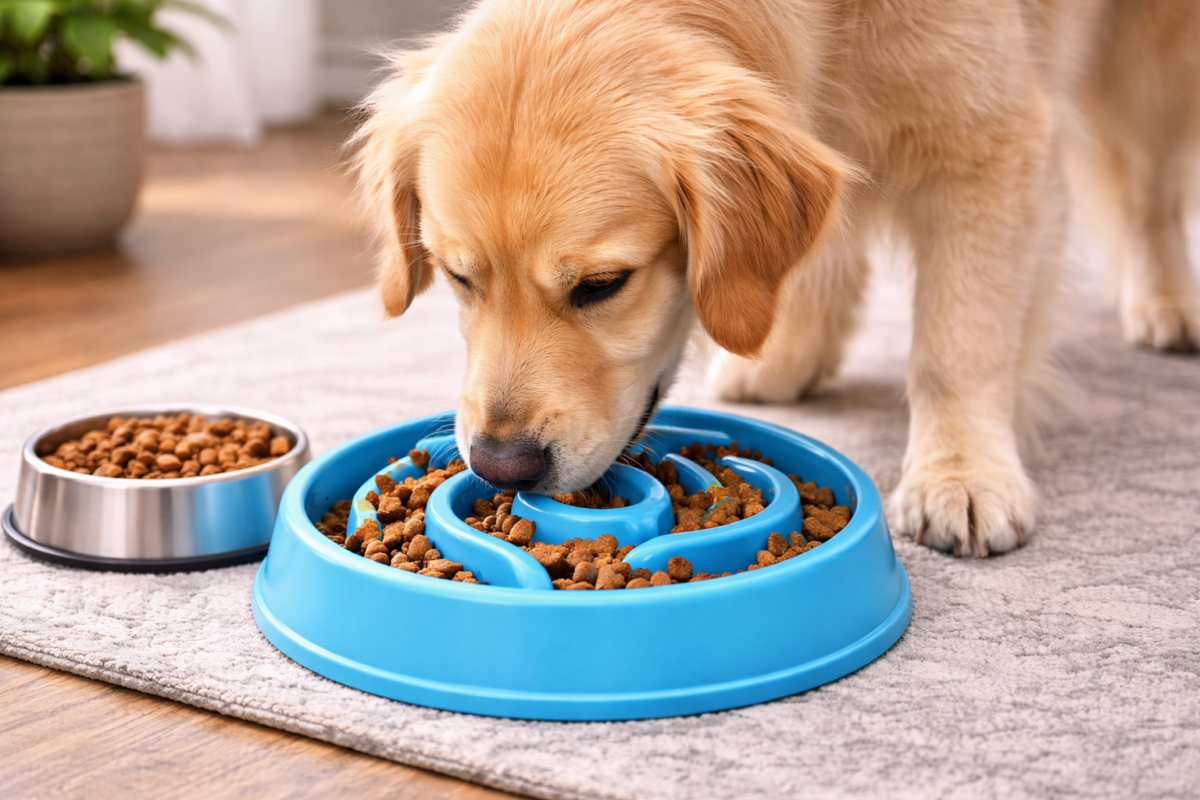
For pets that eat too fast, combine your feeder with a slow feeder bowl to prevent gulping and digestive issues.
Test New Gear Before Travel
If using an automatic feeder for the first time, try it at home several days in advance to ensure your pet adjusts.


 Accessories & Others
 Apparel
 Beds & Furniture
 Cages & Accessories
 Carriers & Strollers
 Doors, Gates & Ramps
 Flea & Tick Control
 Grooming
 Litter & Housebreaking
 Memorials & Funerary
 Accessories & Others
 Apparel
 Beds & Furniture
 Cages & Accessories
 Carriers & Strollers
 Cat Doors,Steps, Nets.
 Collars, Harnesses & leashes
 Flea & Tick Control
 Grooming
 Cages& Accessories
 Cow Mastitis Detectors
 Ear Tags
 Aquarium Accessories
 Aquarium Cleaners
 Aquarium Decor
 Aquarium Lights
 Aquarium Pumps & Filter
 Aquariums & Fish Bowls
 Automatic Feeders