Reptiles and amphibians are fascinating, low-noise, and rewarding pets—but they are not low-effort animals. Unlike cats or dogs, these cold-blooded creatures rely entirely on their environment to regulate body temperature, hydration, and overall health. For beginners, understanding their unique needs is essential to ensuring a long, healthy life.
This guide covers the fundamentals of reptile and amphibian care, helping first-time keepers build the right habitat, provide proper nutrition, and avoid common mistakes.
Understanding the Difference: Reptiles vs Amphibians
Before bringing one home, it’s important to understand how reptiles and amphibians differ.
Reptiles (such as lizards, snakes, and turtles):
- Have dry, scaly skin
- Require external heat sources
- Lay leathery eggs or give live birth
- Thrive in controlled humidity and warmth
Amphibians (such as frogs, toads, and salamanders):
- Have moist, permeable skin
- Are highly sensitive to water quality
- Require higher humidity
- Often begin life in water
These differences affect everything from enclosure design to feeding routines.
Choosing the Right Pet for Beginners
Not all reptiles and amphibians are suitable for first-time owners. Beginners should look for species known for hardiness and calm behavior.
Beginner-friendly traits include:
- Tolerance to minor environmental fluctuations
- Simple dietary needs
- Minimal handling requirements
- Availability of captive-bred specimens
Always research the adult size and lifespan—some species live for decades and require long-term commitment.
Setting Up the Proper Habitat
Enclosure Size and Type
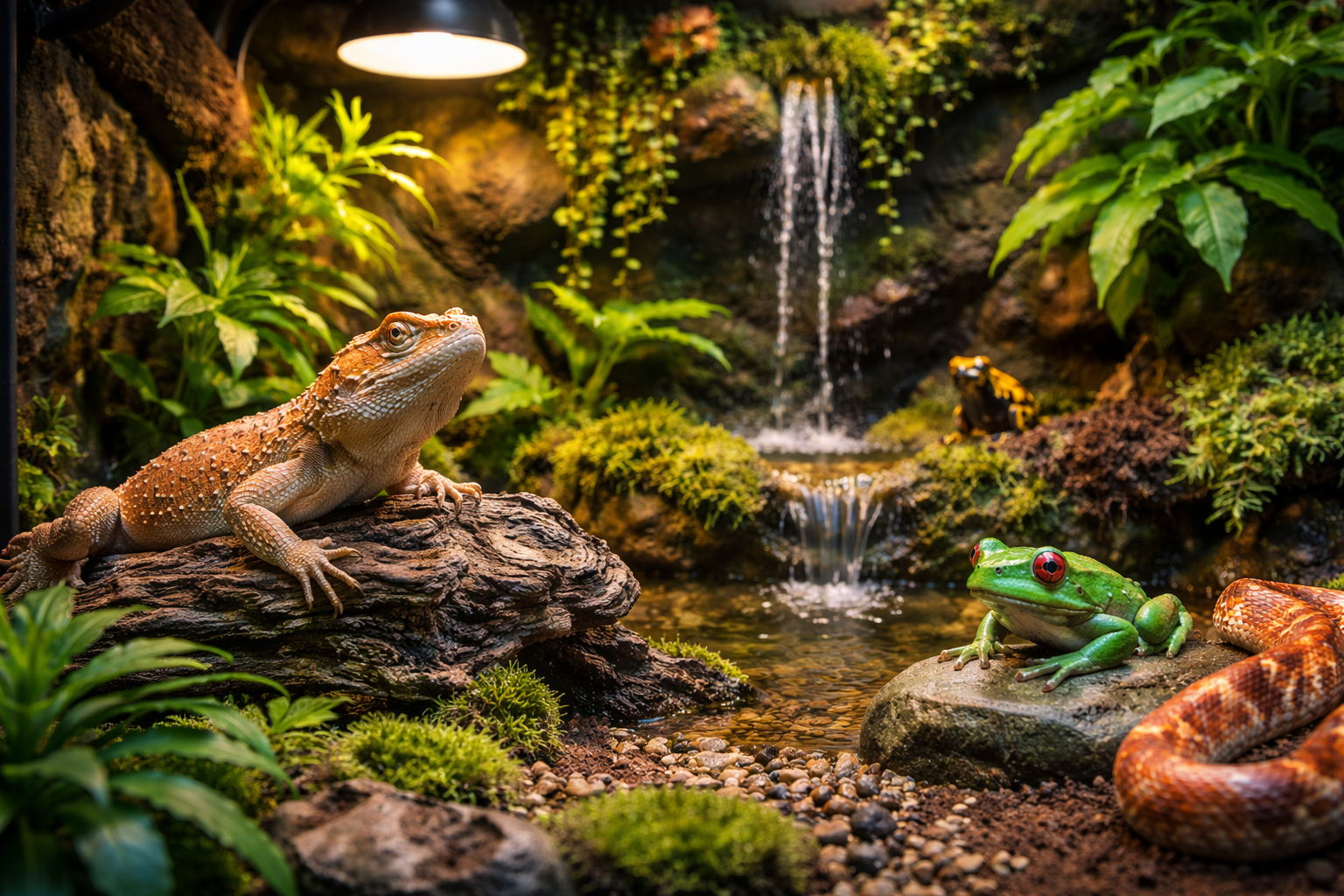
Your pet’s enclosure is its entire world. It must replicate natural conditions as closely as possible.
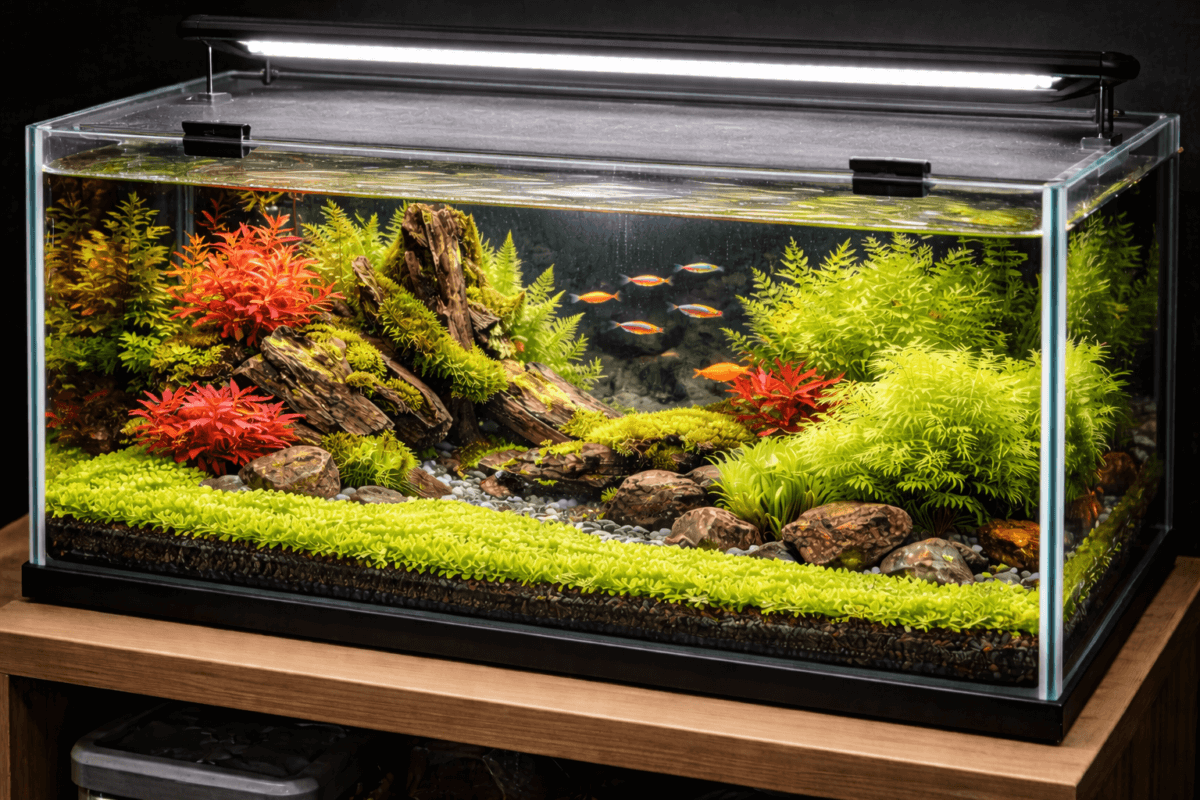
- Glass terrariums are ideal for visibility and humidity control
- Front-opening enclosures reduce stress during maintenance
- Size should allow natural movement, climbing, or burrowing
Overcrowding is one of the most common beginner mistakes.
Temperature and Heating
Because reptiles and amphibians are ectothermic, temperature regulation is critical.
Essential heating elements may include:
- Heat lamps or ceramic heaters
- Under-tank heating pads
- Thermostats to prevent overheating
Create a temperature gradient so your pet can move between warm and cool zones as needed.
Lighting and UVB Exposure
Many reptiles require UVB lighting to metabolize calcium and prevent bone disease.
- UVB bulbs should match species requirements
- Lights must be replaced regularly, even if they still shine
- Amphibians often need low-level or indirect lighting
Incorrect lighting is a leading cause of health problems in captive reptiles.
Humidity and Water Management
Humidity needs vary widely by species, especially for amphibians.
- Use hygrometers to monitor moisture levels
- Mist enclosures when required
- Provide clean, dechlorinated water at all times
Amphibians absorb water through their skin, making water quality especially important.
Substrate and Décor
The right substrate supports hygiene, comfort, and natural behavior.
Common beginner-friendly substrates:
- Coconut fiber
- Reptile carpet
- Paper towels (for juveniles or quarantine)
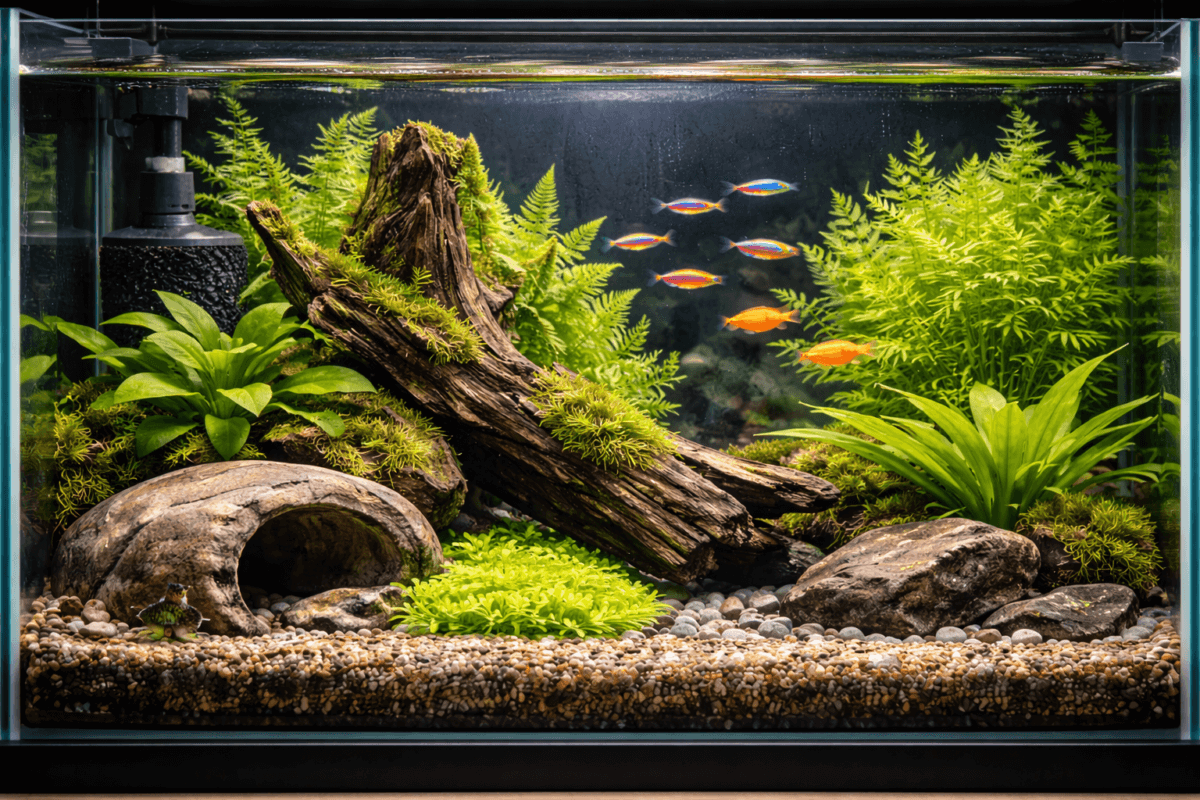
Add hides, branches, rocks, and plants to reduce stress and encourage exploration. Avoid sharp or ingestible materials.
Feeding and Nutrition Basics
What Do They Eat?
Reptiles and amphibians have highly species-specific diets.
- Insectivores may eat crickets, mealworms, or roaches
- Herbivores require leafy greens and vegetables
- Carnivores may eat rodents or fish
Never assume one reptile’s diet works for another.
Supplements and Hydration
Many captive reptiles require calcium and vitamin supplements.
- Dust insects with calcium powder
- Provide vitamin supplements as recommended
- Ensure constant access to clean water
Improper nutrition is one of the most common beginner errors.
Handling and Stress Management
Reptiles and amphibians are not cuddly pets. Excessive handling can cause stress and illness.
- Handle only when necessary
- Support the entire body
- Wash hands before and after handling
Amphibians, in particular, should be handled minimally due to their sensitive skin.
Health Monitoring and Common Issues
Healthy animals are alert, responsive, and feed regularly.
Warning signs include:
- Loss of appetite
- Lethargy
- Abnormal shedding
- Skin discoloration or sores
Locate a veterinarian experienced with exotic animals before problems arise.
Hygiene and Maintenance
A clean enclosure is essential for disease prevention.
- Spot-clean waste daily
- Replace water frequently
- Deep-clean enclosures monthly
Never use harsh household chemicals—reptiles and amphibians are extremely sensitive to residues.
Final Thoughts
Caring for reptiles and amphibians can be incredibly rewarding when done correctly. While they may seem low-maintenance, they require precision, consistency, and education. By understanding their environmental needs, providing proper nutrition, and respecting their natural behaviors, beginners can create a safe and enriching home for these remarkable animals.
With patience and preparation, reptile and amphibian care becomes not just manageable—but deeply fulfilling.


 Accessories & Others
 Apparel
 Beds & Furniture
 Cages & Accessories
 Carriers & Strollers
 Doors, Gates & Ramps
 Flea & Tick Control
 Grooming
 Litter & Housebreaking
 Memorials & Funerary
 Accessories & Others
 Apparel
 Beds & Furniture
 Cages & Accessories
 Carriers & Strollers
 Cat Doors,Steps, Nets.
 Collars, Harnesses & leashes
 Flea & Tick Control
 Grooming
 Cages& Accessories
 Cow Mastitis Detectors
 Ear Tags
 Aquarium Accessories
 Aquarium Cleaners
 Aquarium Decor
 Aquarium Lights
 Aquarium Pumps & Filter
 Aquariums & Fish Bowls
 Automatic Feeders