Choosing the right dog collar is more than just picking a stylish accessory. A collar keeps your dog safe, comfortable, and under control during walks, training sessions, and everyday activities. However, not all collars are suitable for every breed or size. Small dogs have delicate necks, medium dogs need balanced support, and large breeds require strength and durability.
In this guide, you’ll discover the best dog collars for small, medium, and large breeds, along with expert tips on sizing, materials, and safety features.
Why Choosing the Right Collar Matters
A poorly fitted collar can cause discomfort, skin irritation, or even injury. The right collar should:
Fit snugly without choking
Be strong enough for your dog’s size and strength
Provide comfort for daily wear
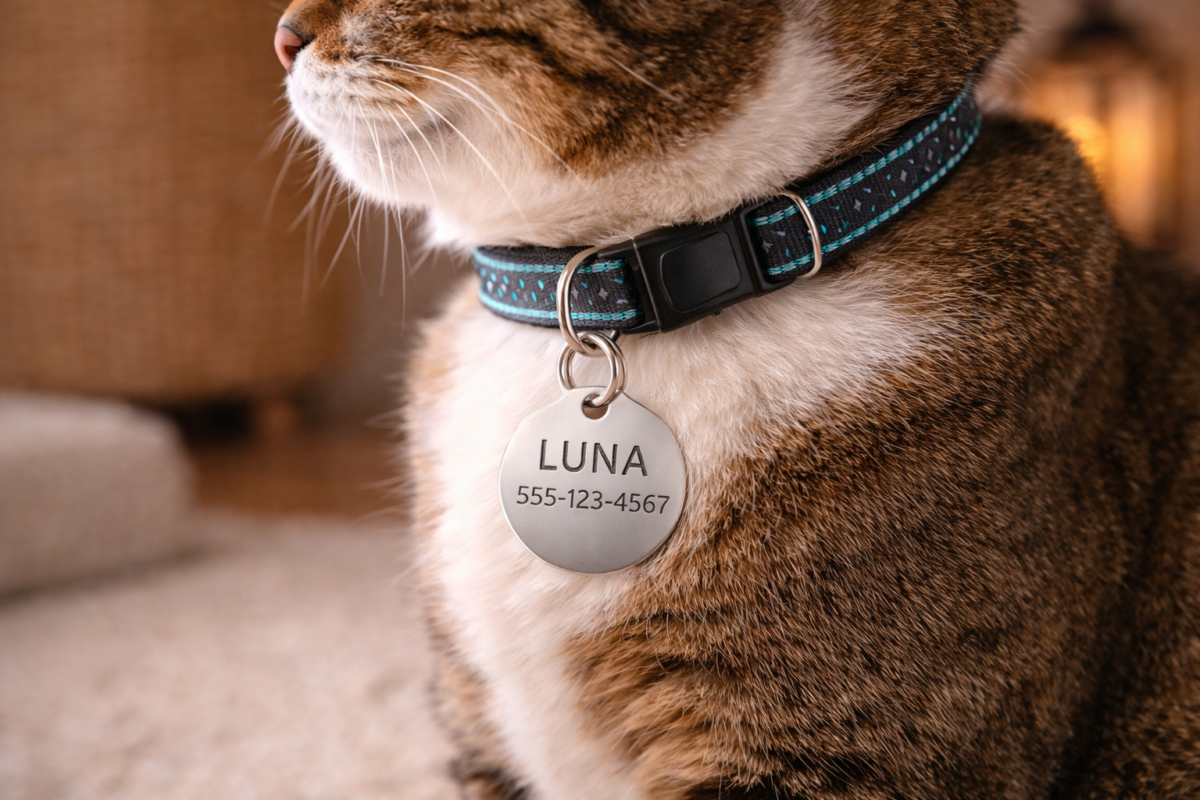
Include secure hardware and ID tag attachment
Match your dog’s activity level
Always follow the two-finger rule — you should be able to fit two fingers between the collar and your dog’s neck.
Best Dog Collars for Small Breeds
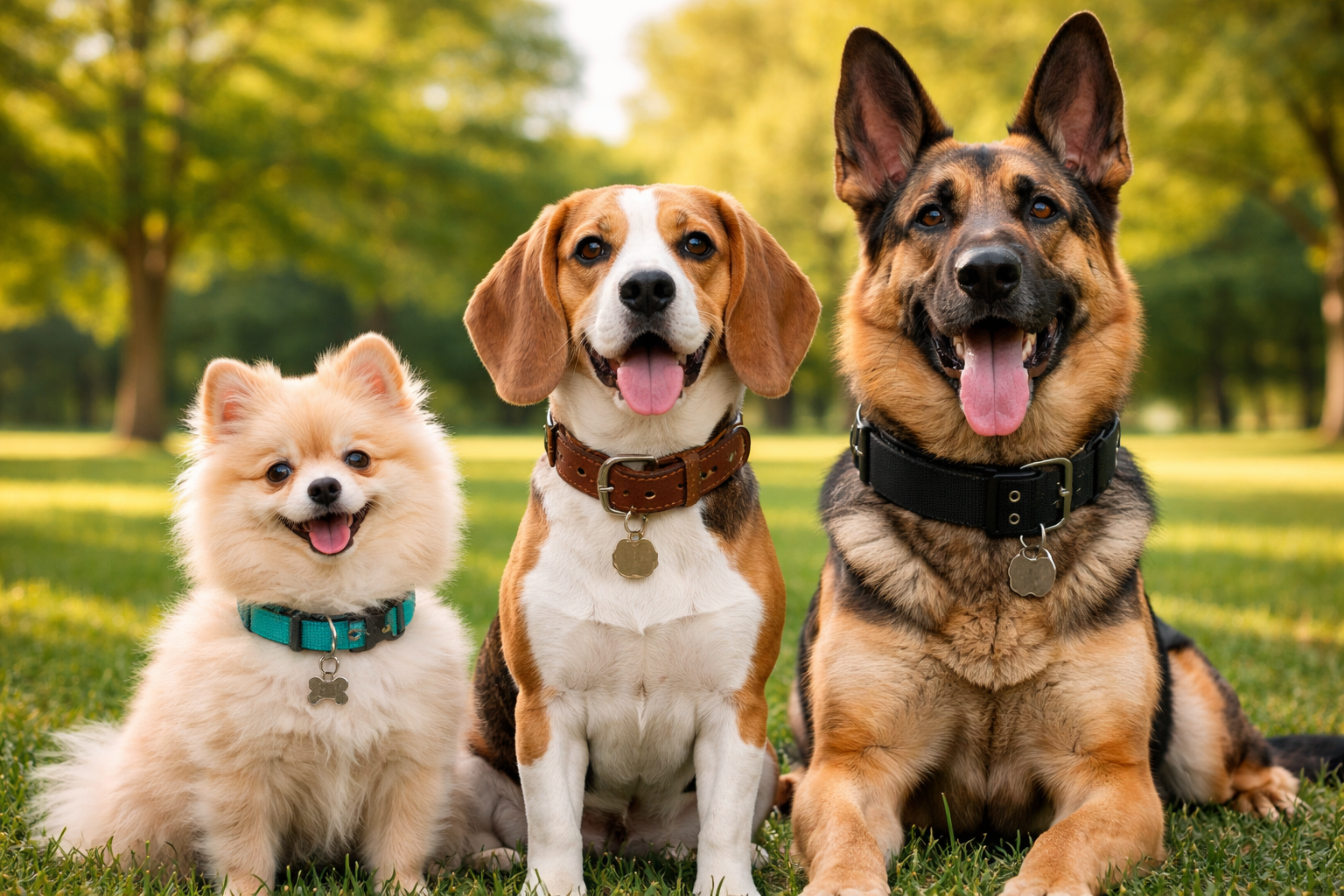
Small breeds like Chihuahuas, Pomeranians, Shih Tzus, and Toy Poodles have delicate necks and lighter body weight. Their collars should be lightweight and gentle.
1. Lightweight Nylon Collar
Nylon collars are ideal for small dogs because they are:
Lightweight
Affordable
Adjustable
Available in various colors and patterns
Look for soft-edged nylon to prevent rubbing on sensitive skin.
2. Padded Fabric Collar
For extra comfort, padded collars provide cushioning around the neck. They are perfect for:
Puppies
Dogs with thin fur
Dogs prone to skin irritation
3. Breakaway Collar (Indoor Use)
Breakaway collars release automatically if they get caught on furniture or crates. They are recommended for:
Indoor small dogs
Very active puppies
Tip: For tiny breeds, consider using a harness for walks instead of relying solely on a collar.
Best Dog Collars for Medium Breeds
Medium breeds such as Beagles, Cocker Spaniels, and Border Collies need collars that balance comfort and strength.
1. Leather Dog Collar
Leather collars are:
Durable
Stylish
Comfortable after breaking in
Long-lasting
They mold to your dog’s neck over time, making them a premium choice for daily use.
2. Adjustable Nylon Collar with Metal Buckle
For active medium dogs, choose:
Heavy-duty nylon
Strong metal D-ring
Secure buckle closure
This ensures better control during walks and outdoor adventures.
3. Reflective Collar
If you walk your dog early morning or at night, reflective collars increase visibility and safety.
Best Dog Collars for Large Breeds
Large breeds like German Shepherds, Labradors, and Rottweilers are powerful and require stronger collars.
1. Wide Leather Collar
Wide collars distribute pressure more evenly across the neck, reducing strain. Look for:
Thick genuine leather
Reinforced stitching
Heavy-duty metal hardware
2. Heavy-Duty Tactical Collar
Tactical collars are designed for strength and control. They typically include:
Strong nylon material
Control handle
Metal buckle
Extra-wide design
These are excellent for training or strong pullers.
3. Martingale Collar (For Training)
Martingale collars tighten slightly when pulled, preventing escape without choking. Ideal for:
Dogs that slip out of collars
Training sessions
Strong, stubborn breeds
Collar Materials Comparison
Material
Best For
Pros
Cons
Nylon
Small & Medium
Lightweight, affordable
Less durable over time
Leather
Medium & Large
Durable, stylish
Higher cost
Neoprene
All sizes
Water-resistant, padded
Can be bulky
Chain
Training only
Strong control
Not for daily wear
How to Measure Your Dog for a Collar
Use a flexible measuring tape.
Wrap it around the base of your dog’s neck.
Add 1–2 inches for comfort.
Check manufacturer size charts before purchasing.
Never guess the size. A collar that is too tight may restrict breathing, while one that is too loose may slip off.
Safety Features to Look For
When shopping for a collar, prioritize:
Strong D-ring for leash attachment
Secure buckle (metal preferred for large breeds)
Reflective stitching for night visibility
ID tag ring
Soft inner padding
When to Replace a Dog Collar
Replace your dog’s collar if you notice:
Frayed material
Cracked leather
Rusted hardware
Broken buckle
It no longer fits properly
Most collars last 1–3 years depending on usage and quality.
Collar vs Harness: Which is Better?
Collar: Best for ID tags and everyday wear.
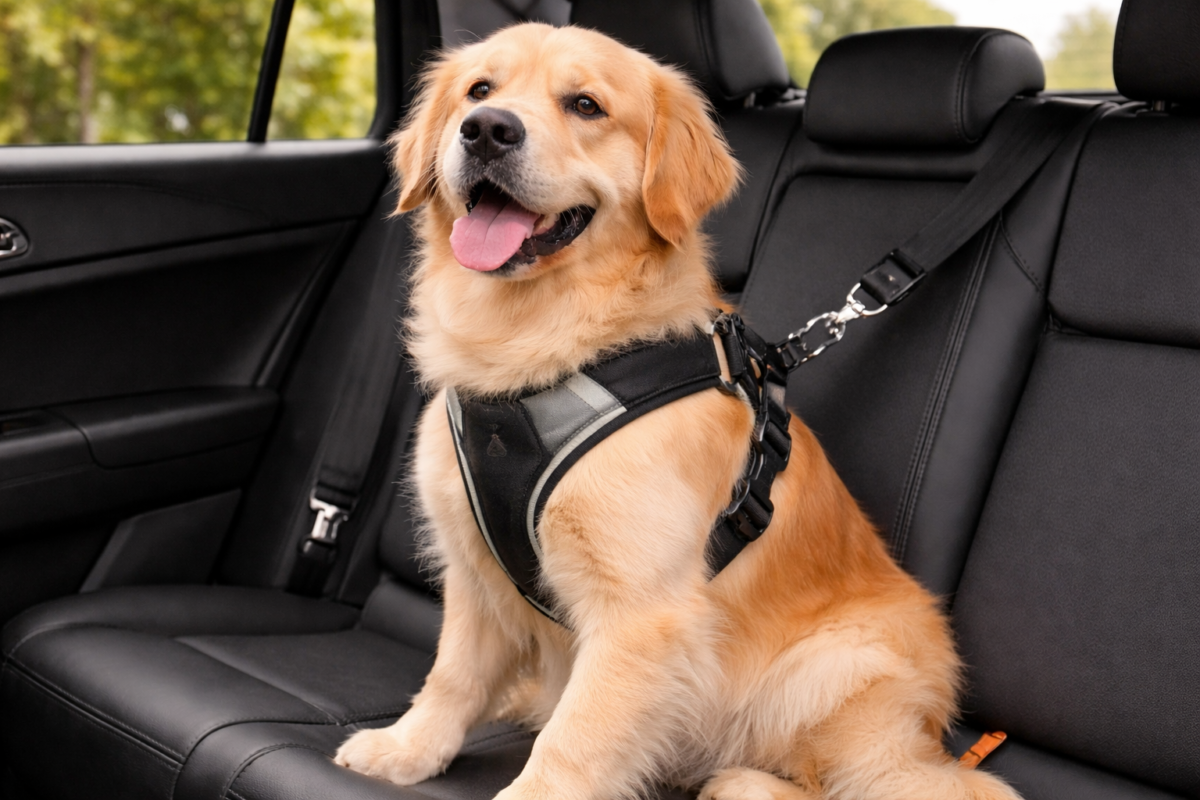
Harness: Better for dogs that pull or have respiratory issues.
For small breeds and heavy pullers, a harness is often safer during walks.
Final Thoughts
The best dog collar depends on your dog’s size, strength, and lifestyle. Small breeds need lightweight comfort. Medium breeds benefit from durable yet flexible materials. Large breeds require strength, width, and reinforced hardware.
Always prioritize comfort, safety, and proper fit over appearance. A well-chosen collar keeps your dog secure while making walks and training easier and more enjoyable.


 Accessories & Others
 Apparel
 Beds & Furniture
 Cages & Accessories
 Carriers & Strollers
 Doors, Gates & Ramps
 Flea & Tick Control
 Grooming
 Litter & Housebreaking
 Memorials & Funerary
 Accessories & Others
 Apparel
 Beds & Furniture
 Cages & Accessories
 Carriers & Strollers
 Cat Doors,Steps, Nets.
 Collars, Harnesses & leashes
 Flea & Tick Control
 Grooming
 Cages& Accessories
 Cow Mastitis Detectors
 Ear Tags
 Aquarium Accessories
 Aquarium Cleaners
 Aquarium Decor
 Aquarium Lights
 Aquarium Pumps & Filter
 Aquariums & Fish Bowls
 Automatic Feeders