Long-haired cats are stunning—there’s no denying it. Breeds like Persians, Maine Coons, Ragdolls, and long-haired mixed cats have luxurious coats that turn heads. But that beauty comes with responsibility. Without proper grooming, long fur can quickly become tangled, matted, and uncomfortable for your cat.
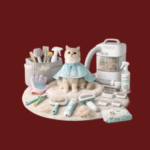
The right grooming tools make all the difference. They reduce shedding, prevent painful mats, minimize hairballs, and keep your cat’s coat healthy and shiny. In this guide, we’ll cover the best grooming tools for long-haired cats, how each one works, and how to use them effectively.
Why Long-Haired Cats Need Special Grooming Tools
Long-haired coats trap loose fur, dirt, and oils more easily than short coats. Without regular grooming, this can lead to:
- Painful mats and knots
- Skin irritation or infections
- Excessive shedding and hairballs
- Overgrooming and stress
Using tools designed specifically for long fur helps maintain comfort and prevents costly grooming or vet visits later.
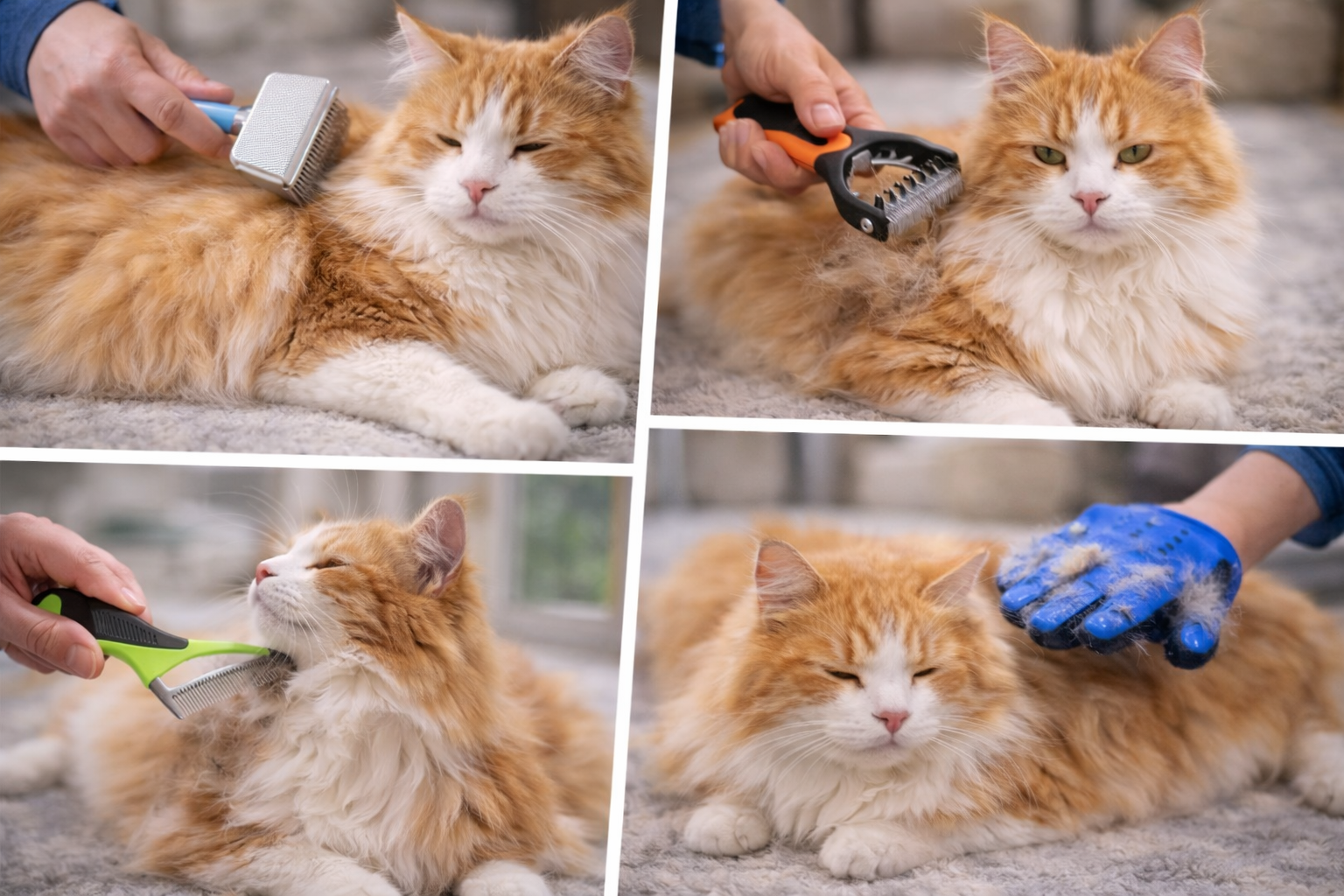
1. Slicker Brush (A Must-Have Tool)
A slicker brush is one of the most essential tools for long-haired cats.
Best for:
- Removing loose fur
- Preventing tangles
- Light mat control
Why it works:
Slicker brushes have fine, closely spaced wires that penetrate deep into the coat without damaging healthy fur when used gently.
How to use:
Brush in short, gentle strokes, following the direction of hair growth. Avoid pressing too hard to prevent skin irritation.
2. Wide-Tooth Comb
Combs are excellent for detail work after brushing.
Best for:
- Finishing touches
- Sensitive areas (belly, chest, behind ears)
- Detecting early mats
Why it’s important:
A wide-tooth comb helps you feel resistance from tangles that brushes might miss, allowing you to address them before they worsen.
3. Dematting Tool or Mat Splitter
For long-haired cats, mats are sometimes unavoidable.
Best for:
- Breaking up stubborn mats
- Preventing the need for shaving
Why it works:
Dematting tools are designed to gently cut through mats without pulling excessively on the skin.
Important tip:
Use slowly and carefully. If mats are tight or close to the skin, consult a professional groomer or vet.
4. Undercoat Rake
Many long-haired cats have a dense undercoat that sheds heavily.
Best for:
- Heavy shedding seasons
- Thick undercoats
Benefits:
- Removes loose undercoat fur
- Reduces shedding and hairballs
- Improves airflow to the skin
Use once or twice a week—overuse can thin the coat too much.
5. Grooming Gloves
Grooming gloves are perfect for cats that dislike traditional brushes.
Best for:
- Anxious or sensitive cats
- Light grooming sessions
- Bonding during grooming
Why cats like them:
They feel like petting rather than brushing, making grooming less stressful.
Grooming gloves work best as a supplement, not a replacement, for other tools.
6. Stainless Steel Flea Comb
While not just for fleas, this tool is surprisingly useful.
Best for:
- Fine areas around face and neck
- Removing debris
- Spot-checking fur condition
Its fine teeth help catch tiny tangles and dirt without covering large areas.
7. Cat-Safe Detangling Spray (Optional)
Detangling sprays can make grooming easier.
Best for:
- Cats prone to knots
- Reducing static and pulling
Important:
Always use sprays specifically formulated for cats. Never use human products.
A light mist can help brushes glide smoothly through fur.
8. Nail Clippers (Part of Grooming Too)
Long fur often hides claws, making trimming essential.
Why it matters:
- Prevents accidental scratches
- Reduces fur snagging
- Improves overall comfort
Trim nails every 2–4 weeks as part of your grooming routine.
How Often Should You Groom a Long-Haired Cat?
Recommended schedule:
- Brushing: Daily or every other day
- Combing: 2–3 times per week
- Undercoat rake: 1–2 times per week
- Nail trimming: Every 2–4 weeks
Consistency prevents mats and makes sessions quicker and calmer.
Tips to Make Grooming Easier
- Start grooming when your cat is relaxed
- Keep sessions short and positive
- Use treats and praise
- Never force grooming if your cat is stressed
- Stop immediately if your cat shows discomfort
Grooming should feel like bonding—not a battle.
When to Seek Professional Grooming Help
Consider a professional groomer if:
- Mats are severe or close to the skin
- Your cat becomes aggressive or highly stressed
- You’re unable to maintain the coat at home
Professional grooming can be safer and less traumatic in these cases.
Final Thoughts
Long-haired cats are breathtaking—but their coats require commitment. With the right grooming tools and a consistent routine, you can keep your cat comfortable, healthy, and mat-free while strengthening your bond along the way.
The right tools don’t just protect the coat—they protect your cat’s quality of life 🐾


 Accessories & Others
 Apparel
 Beds & Furniture
 Cages & Accessories
 Carriers & Strollers
 Doors, Gates & Ramps
 Flea & Tick Control
 Grooming
 Litter & Housebreaking
 Memorials & Funerary
 Accessories & Others
 Apparel
 Beds & Furniture
 Cages & Accessories
 Carriers & Strollers
 Cat Doors,Steps, Nets.
 Collars, Harnesses & leashes
 Flea & Tick Control
 Grooming
 Cages& Accessories
 Cow Mastitis Detectors
 Ear Tags
 Aquarium Accessories
 Aquarium Cleaners
 Aquarium Decor
 Aquarium Lights
 Aquarium Pumps & Filter
 Aquariums & Fish Bowls
 Automatic Feeders