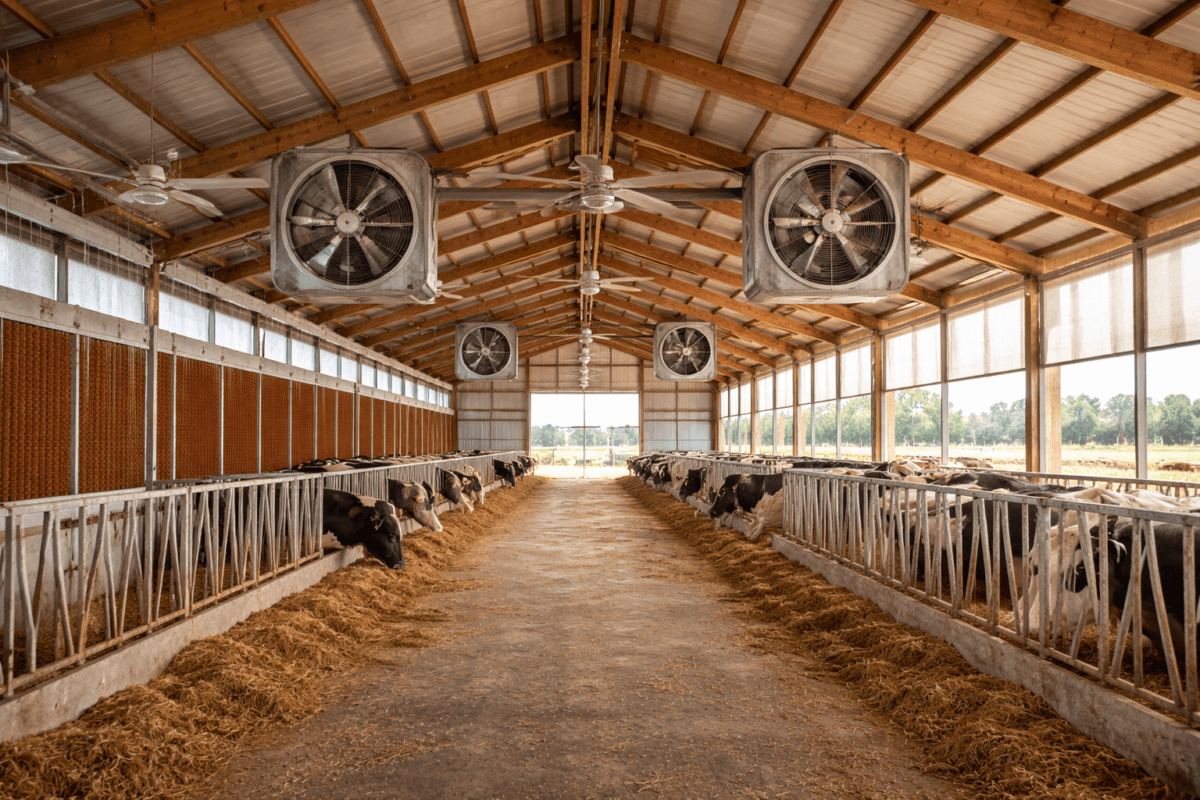
Maintaining cleanliness in livestock areas is essential for animal health, farm productivity, and overall biosecurity. Dirty barns, pens, and feeding zones create breeding grounds for bacteria, parasites, and harmful pathogens. Proper cleaning tools help farmers maintain a hygienic environment, reduce disease outbreaks, and improve animal welfare.
Whether you manage cattle, poultry, goats, sheep, pigs, or horses, investing in the right cleaning equipment makes daily farm management easier and more efficient.
Why Cleanliness Matters in Livestock Areas
Poor sanitation can lead to:
- Mastitis in dairy cows
- Respiratory infections
- Hoof diseases
- Parasite infestations
- Contaminated feed and water
- Reduced weight gain and milk production
A clean environment reduces stress, improves feed efficiency, and ensures better overall farm performance.
1. Manure Forks and Shovels
Manure removal is one of the most important daily tasks in livestock management.
Types:
- Pitchfork-style manure forks
- Flat shovels
- Square-point shovels
- Lightweight plastic forks
Benefits:
- Quick waste removal
- Reduces ammonia buildup
- Prevents bacterial growth
- Keeps bedding dry
Using ergonomic, durable tools reduces physical strain and increases efficiency.
2. Wheelbarrows and Utility Carts
Once manure is collected, it must be transported efficiently.
Features to Look For:
- Heavy-duty tires
- Rust-resistant material
- High weight capacity
- Easy tipping mechanism
Utility carts help move bedding, feed, and waste quickly across the farm.
3. Pressure Washers
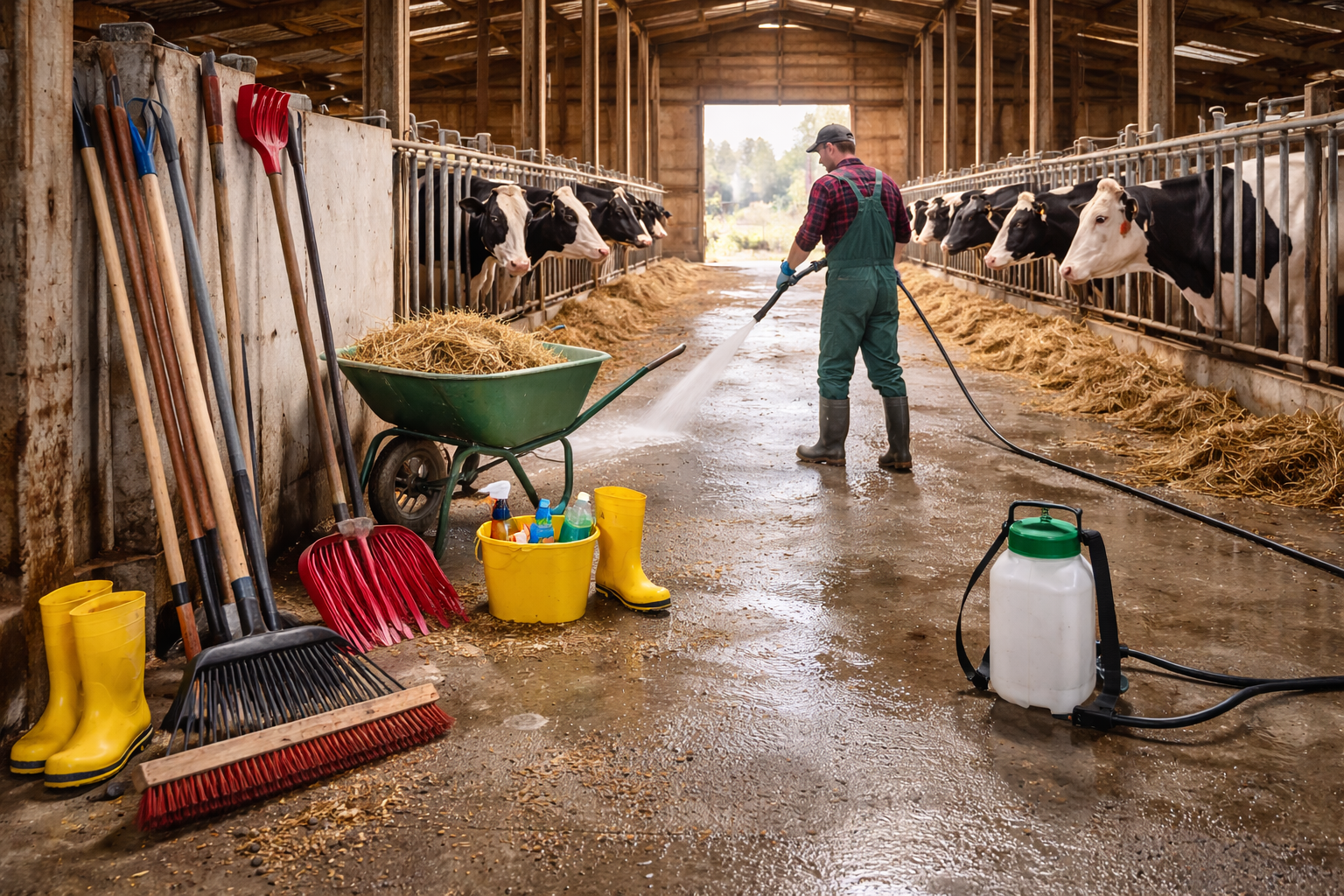
Pressure washers are powerful tools for deep cleaning livestock areas.
Ideal For:
- Barn floors
- Feeding troughs
- Walls and gates
- Milking areas
Advantages:
- Removes stubborn dirt
- Eliminates bacteria buildup
- Saves time compared to manual scrubbing
Hot water pressure washers are particularly effective for disinfecting.
4. Scrub Brushes and Long-Handle Brooms
Manual tools remain essential for daily cleaning.
Uses:
- Sweeping feed spills
- Cleaning corners
- Scrubbing water troughs
- Removing dried manure
Choose stiff-bristle brushes for heavy dirt and soft-bristle brooms for dust.
5. Disinfectant Sprayers
Sanitization is crucial after cleaning.
Types:
- Handheld sprayers
- Backpack sprayers
- Motorized sprayers
Regular disinfecting helps prevent the spread of diseases such as foot-and-mouth disease, avian influenza, and mastitis-related infections.
6. Bedding Removal Tools
Removing old bedding prevents moisture buildup and parasite growth.
Recommended Tools:
- Bedding forks
- Stable rakes
- Mechanical bedding cleaners (for large farms)
Dry, fresh bedding improves comfort and reduces hoof problems.
7. Drainage and Floor Squeegees
Water accumulation leads to slippery surfaces and bacterial growth.
Benefits:
- Improves traction
- Reduces moisture
- Minimizes odor
- Supports faster drying
Rubber floor squeegees are especially effective after washing.
8. Automated Cleaning Equipment
Large-scale farms benefit from automation.
Examples:
- Automatic manure scrapers
- Conveyor belt waste systems
- Robotic barn cleaners
Advantages:
- Saves labor
- Maintains consistent cleanliness
- Improves worker safety
Though expensive initially, automated systems reduce long-term operational costs.
Best Practices for Cleaning Livestock Areas
1. Create a Cleaning Schedule
- Daily manure removal
- Weekly deep cleaning
- Monthly disinfection
- Seasonal inspections
Consistency prevents disease outbreaks.
2. Separate Cleaning Tools by Area
Avoid cross-contamination between:
- Poultry areas
- Cattle sheds
- Pig pens
- Feed storage zones
Color-coded tools help maintain hygiene standards.
3. Ensure Proper Ventilation
Cleaning removes visible waste, but ventilation reduces airborne bacteria and ammonia buildup.
4. Use Approved Disinfectants
Always use livestock-safe disinfectants and follow dilution instructions carefully.
Health and Safety Considerations
Farm workers should use:
- Gloves
- Waterproof boots
- Masks (when handling dust or chemicals)
- Protective eyewear
Proper safety measures reduce exposure to harmful pathogens and chemicals.
Cost Considerations
Basic cleaning tools like forks, shovels, and brooms are affordable. Pressure washers and automated systems require higher investment but offer:
- Faster cleaning
- Improved sanitation
- Reduced labor costs
Evaluate farm size and animal population before investing in advanced equipment.
Long-Term Benefits of Proper Cleaning
Regular cleaning:
- Improves animal productivity
- Reduces veterinary expenses
- Extends barn infrastructure lifespan
- Enhances farm reputation
- Supports regulatory compliance
A clean livestock area is a productive livestock area.
Conclusion
Cleaning tools for livestock areas are essential for maintaining animal health, preventing disease, and improving farm efficiency. From basic shovels and brooms to advanced automated scrapers and pressure washers, each tool plays a critical role in farm hygiene.
Establishing a structured cleaning routine and investing in quality equipment ensures livestock remain healthy and comfortable year-round. Proper sanitation is not just maintenance—it is a strategic investment in farm success.


 Accessories & Others
 Apparel
 Beds & Furniture
 Cages & Accessories
 Carriers & Strollers
 Doors, Gates & Ramps
 Flea & Tick Control
 Grooming
 Litter & Housebreaking
 Memorials & Funerary
 Accessories & Others
 Apparel
 Beds & Furniture
 Cages & Accessories
 Carriers & Strollers
 Cat Doors,Steps, Nets.
 Collars, Harnesses & leashes
 Flea & Tick Control
 Grooming
 Cages& Accessories
 Cow Mastitis Detectors
 Ear Tags
 Aquarium Accessories
 Aquarium Cleaners
 Aquarium Decor
 Aquarium Lights
 Aquarium Pumps & Filter
 Aquariums & Fish Bowls
 Automatic Feeders