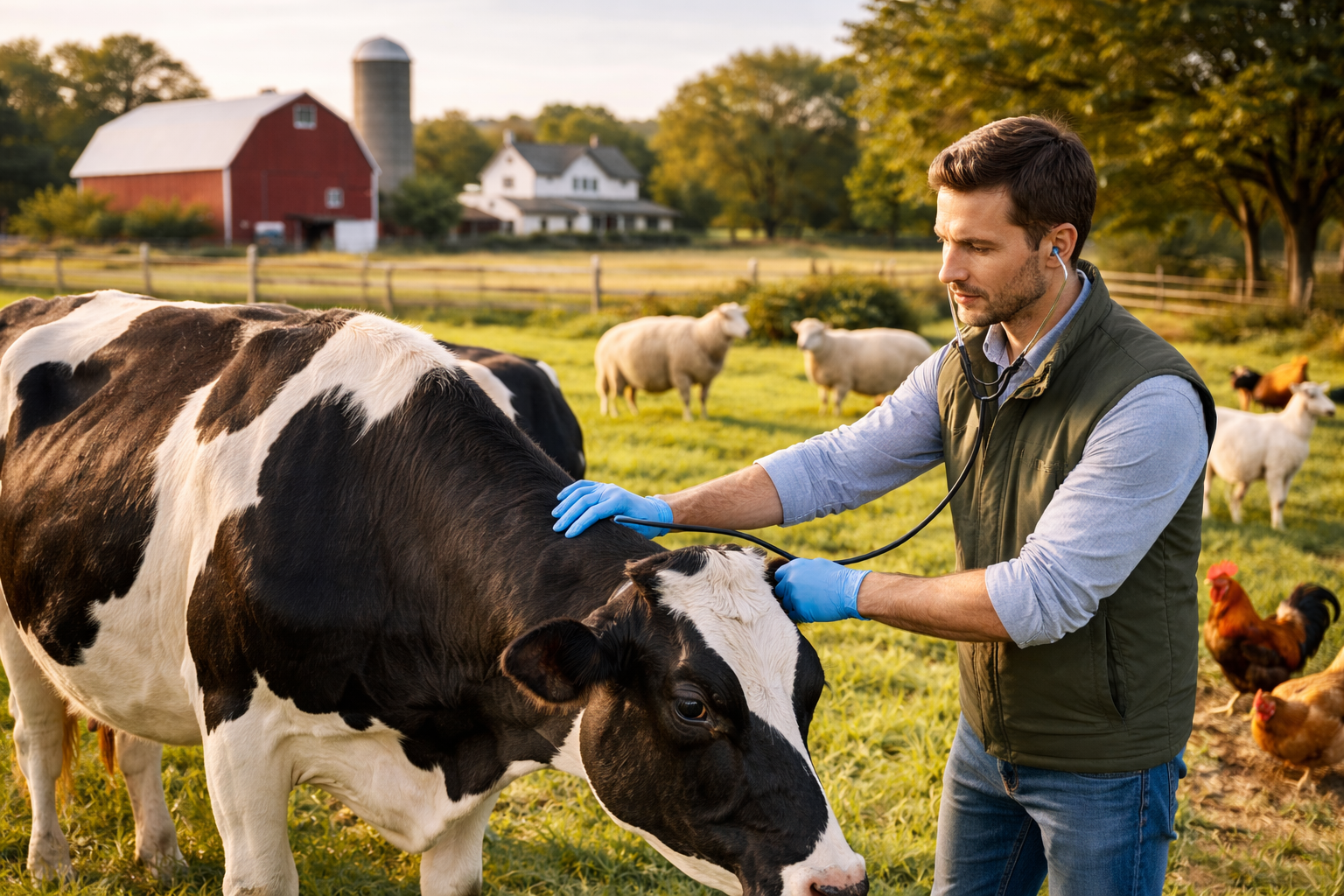
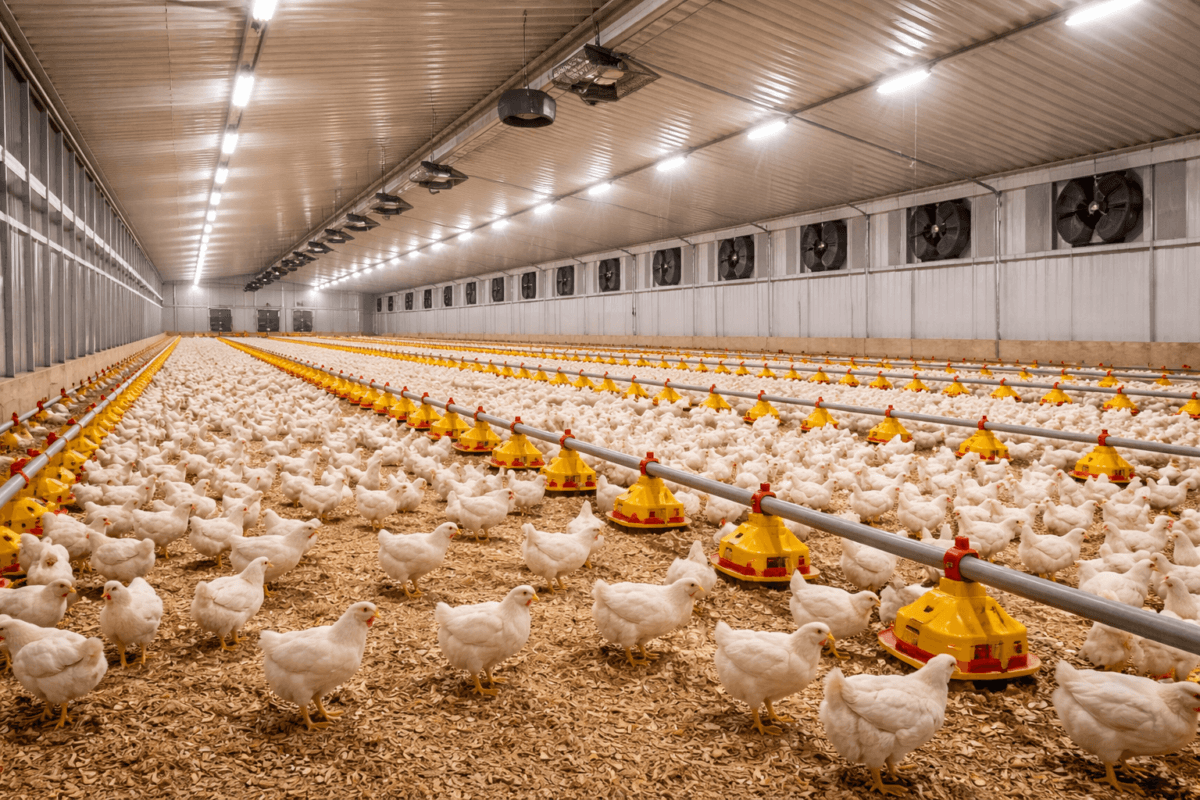
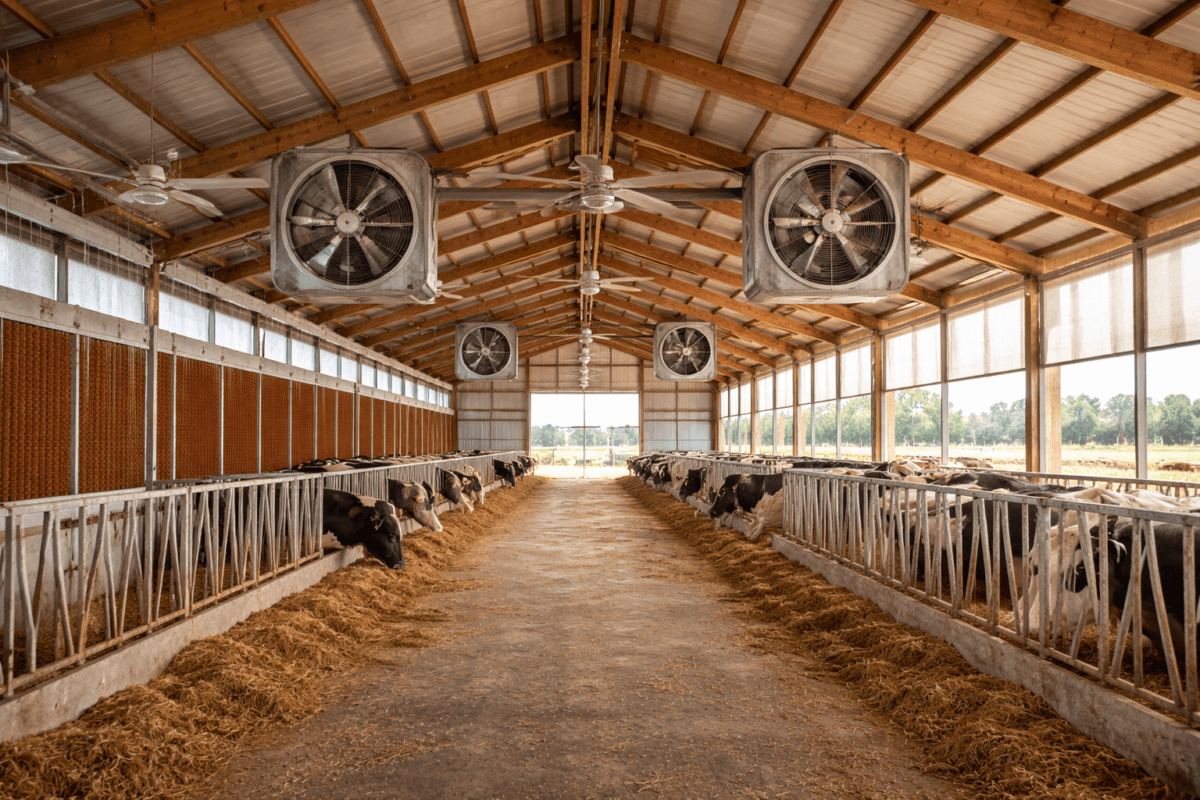
Farm animals play a vital role in agriculture, food production, and rural livelihoods. However, livestock are vulnerable to a wide range of diseases that can affect productivity, animal welfare, and farm profitability. Understanding the most common diseases in farm animals—and knowing how to prevent them—is essential for every responsible farmer.
Prevention is always more effective and affordable than treatment. In this guide, we’ll explore common diseases affecting farm animals and practical steps you can take to reduce risks and maintain a healthy herd or flock.
1. Foot-and-Mouth Disease (FMD)
Affected animals: Cattle, sheep, goats, pigs
Symptoms: Fever, blisters on the mouth, feet, and teats, lameness, reduced milk production
Foot-and-mouth disease is highly contagious and spreads rapidly through direct contact, contaminated equipment, or even air in some cases.
Prevention Tips:
- Follow strict biosecurity measures
- Limit visitor access to livestock areas
- Disinfect equipment, footwear, and vehicles
- Vaccinate animals where recommended by authorities
Early reporting and isolation are critical to preventing widespread outbreaks.
2. Mastitis
Affected animals: Dairy cattle, goats, sheep
Symptoms: Swollen or painful udders, reduced milk yield, abnormal milk
Mastitis is one of the most common and costly diseases in dairy farming. It is usually caused by bacteria entering the udder.
Prevention Tips:
- Maintain clean milking practices
- Sanitize udders before and after milking
- Keep bedding dry and clean
- Regularly check udders for early signs of infection
Good hygiene is the most effective defense against mastitis.
3. Respiratory Infections
Affected animals: Cattle, poultry, pigs, sheep
Symptoms: Coughing, nasal discharge, labored breathing, fever
Respiratory diseases often spread in overcrowded or poorly ventilated housing.
Prevention Tips:
- Ensure proper ventilation in barns and coops
- Avoid overcrowding
- Reduce stress from extreme temperatures
- Vaccinate when applicable
Healthy air quality significantly lowers respiratory disease risk.
4. Parasite Infestations (Internal and External)
Affected animals: All farm animals
Symptoms: Weight loss, poor coat condition, diarrhea, anemia, itching
Parasites such as worms, lice, ticks, and mites can weaken animals and make them more susceptible to other diseases.
Prevention Tips:
- Follow a regular deworming schedule
- Rotate grazing areas to break parasite life cycles
- Keep housing clean and dry
- Monitor animals for scratching, hair loss, or weight changes
Parasite control improves growth, productivity, and immunity.
5. Newcastle Disease
Affected animals: Poultry
Symptoms: Respiratory distress, reduced egg production, weakness, sudden death
Newcastle disease is a serious viral illness that spreads rapidly among birds.
Prevention Tips:
- Vaccinate poultry as recommended
- Isolate new or sick birds
- Limit contact with wild birds
- Maintain clean feeding and watering systems
Strong biosecurity is essential for poultry disease prevention.
6. Brucellosis
Affected animals: Cattle, goats, sheep, pigs
Symptoms: Reproductive failure, abortions, infertility
Brucellosis can spread through contact with infected animals or contaminated materials and may also pose risks to humans.
Prevention Tips:
- Test animals regularly
- Isolate infected animals immediately
- Vaccinate where permitted
- Practice proper disposal of animal waste and birth materials
Regular monitoring helps protect both livestock and farm workers.
7. Bloat
Affected animals: Cattle, sheep, goats
Symptoms: Swollen abdomen, discomfort, difficulty breathing
Bloat often occurs due to sudden dietary changes or consumption of certain forages.
Prevention Tips:
- Introduce new feeds gradually
- Avoid overfeeding lush legumes
- Ensure access to roughage
- Monitor animals closely after feed changes
Good feeding management reduces digestive disorders.
8. Preventive Measures for All Farm Animals
While diseases vary by species, some prevention strategies apply universally:
Maintain Clean Living Conditions
Clean housing reduces bacteria, parasites, and stress. Remove manure daily and keep bedding dry.
Provide Balanced Nutrition
Proper nutrition strengthens immune systems and helps animals resist disease.
Follow Vaccination Schedules
Work with a veterinarian to develop a vaccination plan suited to your farm.
Practice Biosecurity
Control farm access, quarantine new animals, and clean equipment regularly.
Observe Animals Daily
Early detection of illness allows for quicker treatment and limits spread.
Final Thoughts
Common diseases in farm animals can have serious consequences if left unmanaged, but most are preventable with proper care and planning. Clean housing, balanced nutrition, vaccination programs, parasite control, and strong biosecurity practices form the foundation of disease prevention.
Healthy animals are more productive, easier to manage, and a reflection of good farming practices. By staying informed and proactive, you can protect your livestock, safeguard your farm’s future, and promote animal welfare year-round. 🐄🐓🐑


 Accessories & Others
 Apparel
 Beds & Furniture
 Cages & Accessories
 Carriers & Strollers
 Doors, Gates & Ramps
 Flea & Tick Control
 Grooming
 Litter & Housebreaking
 Memorials & Funerary
 Accessories & Others
 Apparel
 Beds & Furniture
 Cages & Accessories
 Carriers & Strollers
 Cat Doors,Steps, Nets.
 Collars, Harnesses & leashes
 Flea & Tick Control
 Grooming
 Cages& Accessories
 Cow Mastitis Detectors
 Ear Tags
 Aquarium Accessories
 Aquarium Cleaners
 Aquarium Decor
 Aquarium Lights
 Aquarium Pumps & Filter
 Aquariums & Fish Bowls
 Automatic Feeders