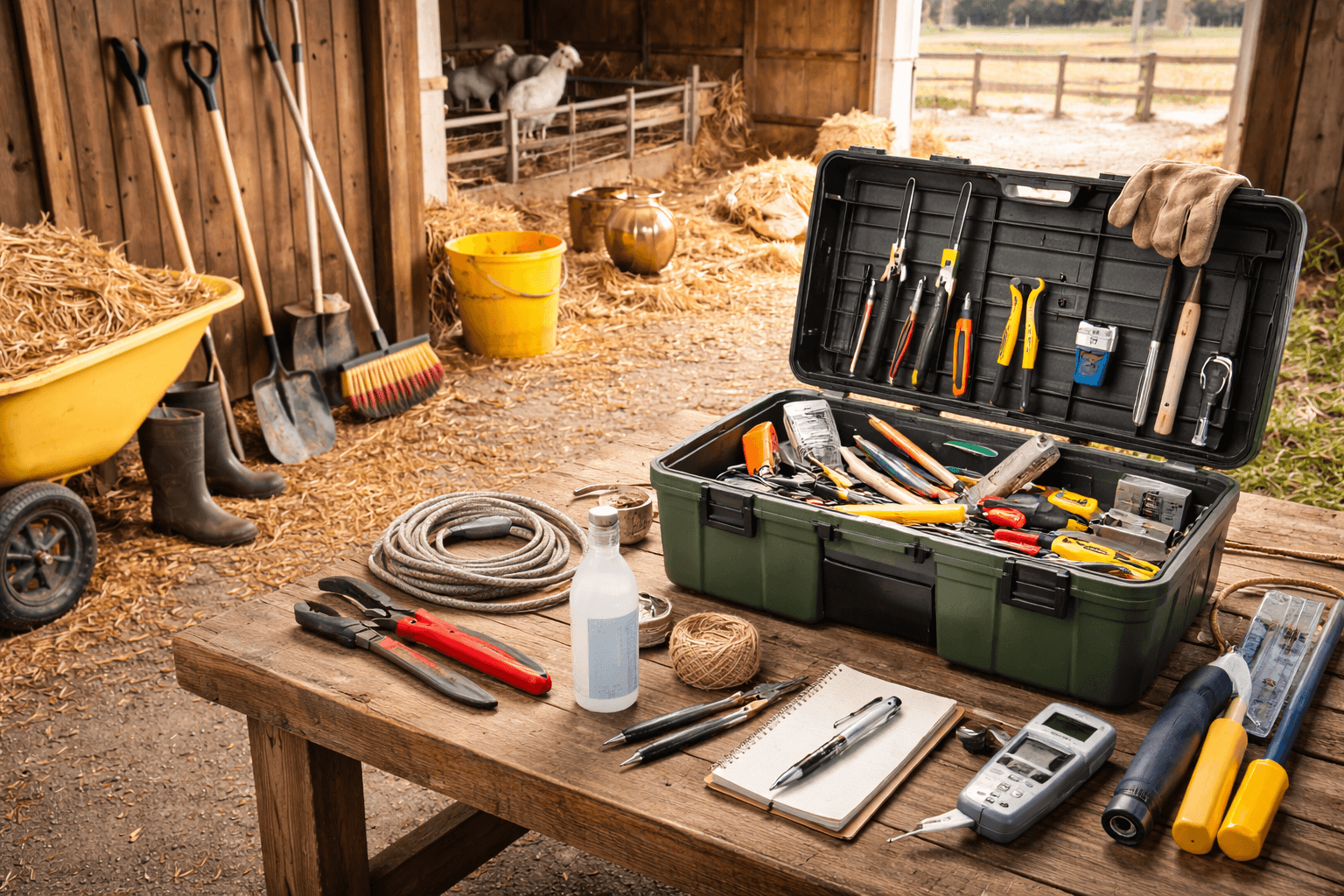
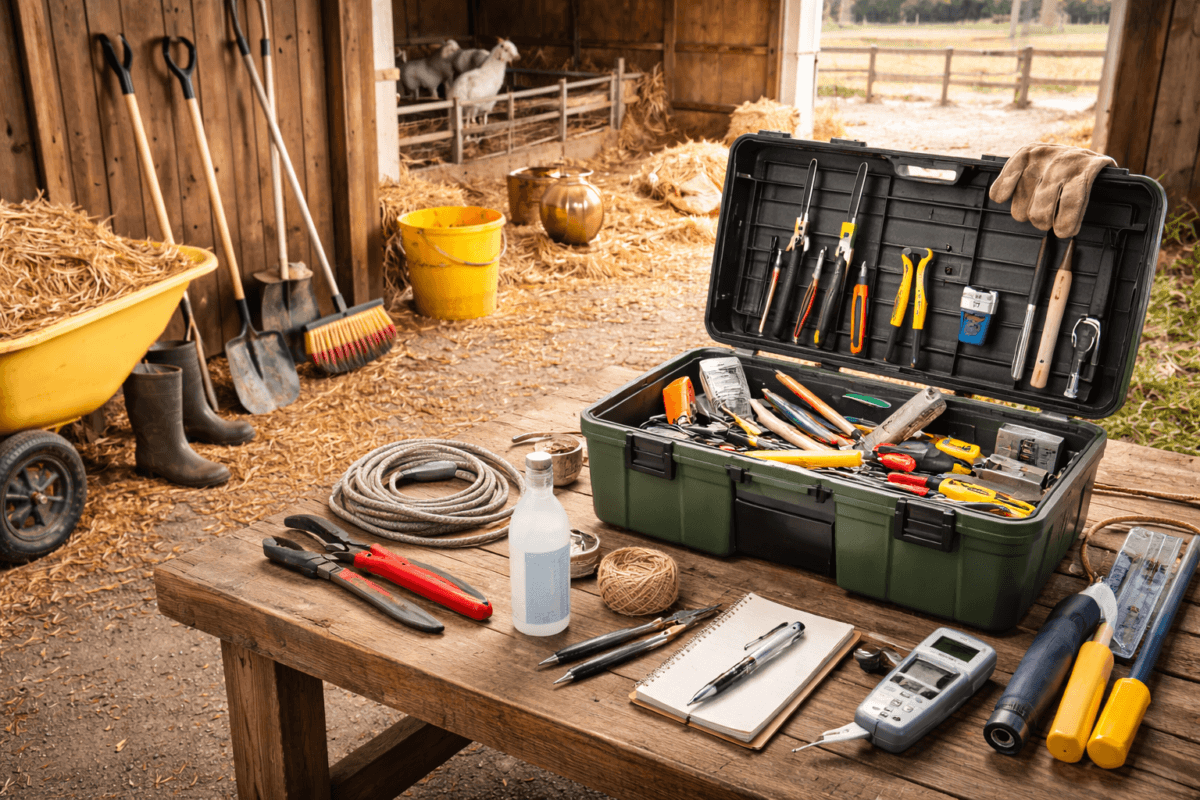
Running a small-scale farm requires consistent daily effort. Whether you manage poultry, goats, cows, sheep, pigs, or mixed livestock, proper daily maintenance keeps animals healthy, equipment functional, and operations running smoothly.
Small-scale farmers often handle multiple responsibilities—from feeding and cleaning to repairs and inspections. Having the right daily maintenance tools not only saves time but also improves productivity, hygiene, and long-term farm sustainability.
This comprehensive guide outlines essential daily maintenance tools every small-scale farmer should have, along with practical usage tips and maintenance advice.
Why Daily Maintenance Is Important
Regular maintenance helps to:
- Prevent disease outbreaks
- Reduce equipment breakdowns
- Improve livestock health
- Increase productivity
- Save repair costs
- Maintain farm safety
Small issues can quickly turn into costly problems if ignored. Daily checks and basic tools make farm management easier and more efficient.
Essential Daily Maintenance Tools for Small Farms
Below are the most important tools used for everyday farm operations.
1. Basic Cleaning Tools
Cleanliness is essential for animal health.
Must-Have Cleaning Tools:
- Heavy-duty broom
- Manure shovel
- Rake
- Floor scraper
- Wheelbarrow
These tools are used daily to remove manure, spilled feed, and bedding waste.
2. Feeding & Watering Maintenance Tools
Daily feeding requires reliable tools.
Essential Items:
- Feed scoops
- Bucket sets
- Water trough cleaning brush
- Hose with spray nozzle
Keeping feeders and drinkers clean prevents contamination.
3. Hand Tools for Repairs
Minor repairs are part of daily farm life.
Recommended Tools:
- Hammer
- Pliers
- Screwdrivers
- Adjustable wrench
- Fence repair kit
Quick fixes prevent bigger structural problems.
4. Animal Health Monitoring Tools
Early detection of health issues is critical.
Important Tools:
- Digital thermometer
- Basic veterinary kit
- Hoof trimmer
- Grooming brush
Daily observation ensures timely intervention.
5. Protective & Safety Equipment
Farmer safety is just as important as animal safety.
Must-Have Gear:
- Work gloves
- Rubber boots
- Protective eyewear
- Face masks
Safety equipment prevents injuries and infections.
6. Lighting & Electrical Tools
Small-scale farms often require simple electrical maintenance.
Useful Tools:
- Flashlight
- Extension cords
- Spare bulbs
- Basic voltage tester
Good lighting ensures proper animal monitoring.
7. Fencing & Perimeter Maintenance Tools
Fence inspection should be part of daily routines.
Tools Include:
- Fence tester
- Wire cutter
- Spare fencing wire
- Post driver
Maintaining secure fencing prevents livestock escape and predator entry.
8. Record-Keeping Tools
Monitoring farm data improves efficiency.
Essential Items:
- Logbook
- Feeding schedule chart
- Health records notebook
- Digital tracking app (optional)
Accurate records support long-term planning.
Daily Maintenance Checklist for Small Farmers
Here’s a simple daily routine checklist:
- Inspect animals for illness
- Clean feeders and waterers
- Remove manure
- Check fences and gates
- Inspect lighting and ventilation
- Record feed intake
- Monitor water supply
- Check equipment condition
Consistency keeps the farm running smoothly.
Tool Organization & Storage Tips
Organized tools save time.
Best Practices:
- Store tools in a dry shed
- Use wall-mounted racks
- Keep frequently used tools accessible
- Label storage containers
Well-organized workspaces improve efficiency.
Seasonal Maintenance Adjustments
Maintenance routines may vary by season.
Summer:
- Increase water checks
- Monitor heat stress
Winter:
- Inspect heating systems
- Check water freezing risks
Seasonal awareness improves animal welfare.
Common Mistakes Small Farmers Make
- Ignoring minor repairs
- Using dull or damaged tools
- Skipping daily inspections
- Poor tool storage
- Neglecting safety gear
Avoiding these mistakes saves time and money.
Benefits of Proper Daily Maintenance
Investing in daily maintenance tools provides:
- Reduced veterinary costs
- Improved livestock productivity
- Fewer equipment breakdowns
- Better farm hygiene
- Increased efficiency
Routine maintenance protects your farm investment.
Cost vs Long-Term Savings
Basic maintenance tools are affordable, but they:
- Prevent costly repairs
- Reduce livestock losses
- Improve farm longevity
Small daily efforts lead to significant long-term benefits.
Final Thoughts
Daily maintenance is the backbone of successful small-scale farming. With the right tools — from cleaning equipment and feeding accessories to repair kits and safety gear — farmers can maintain healthy animals and efficient operations.
Consistency, organization, and preparedness are key to sustainable farm management. By equipping yourself with essential daily maintenance tools, you ensure productivity, safety, and long-term success for your small farm.


 Accessories & Others
 Apparel
 Beds & Furniture
 Cages & Accessories
 Carriers & Strollers
 Doors, Gates & Ramps
 Flea & Tick Control
 Grooming
 Litter & Housebreaking
 Memorials & Funerary
 Accessories & Others
 Apparel
 Beds & Furniture
 Cages & Accessories
 Carriers & Strollers
 Cat Doors,Steps, Nets.
 Collars, Harnesses & leashes
 Flea & Tick Control
 Grooming
 Cages& Accessories
 Cow Mastitis Detectors
 Ear Tags
 Aquarium Accessories
 Aquarium Cleaners
 Aquarium Decor
 Aquarium Lights
 Aquarium Pumps & Filter
 Aquariums & Fish Bowls
 Automatic Feeders