Crate training is one of the most effective tools for raising a well-behaved, confident, and secure dog. However, many new dog owners misunderstand crates, seeing them as confinement tools rather than safe spaces.
When used correctly, a crate becomes your dog’s personal den—a place of comfort, security, and relaxation.
In this complete beginner guide, we’ll cover everything you need to know about dog crates and training, including benefits, choosing the right crate, step-by-step training, and common mistakes to avoid.
What Is Crate Training?
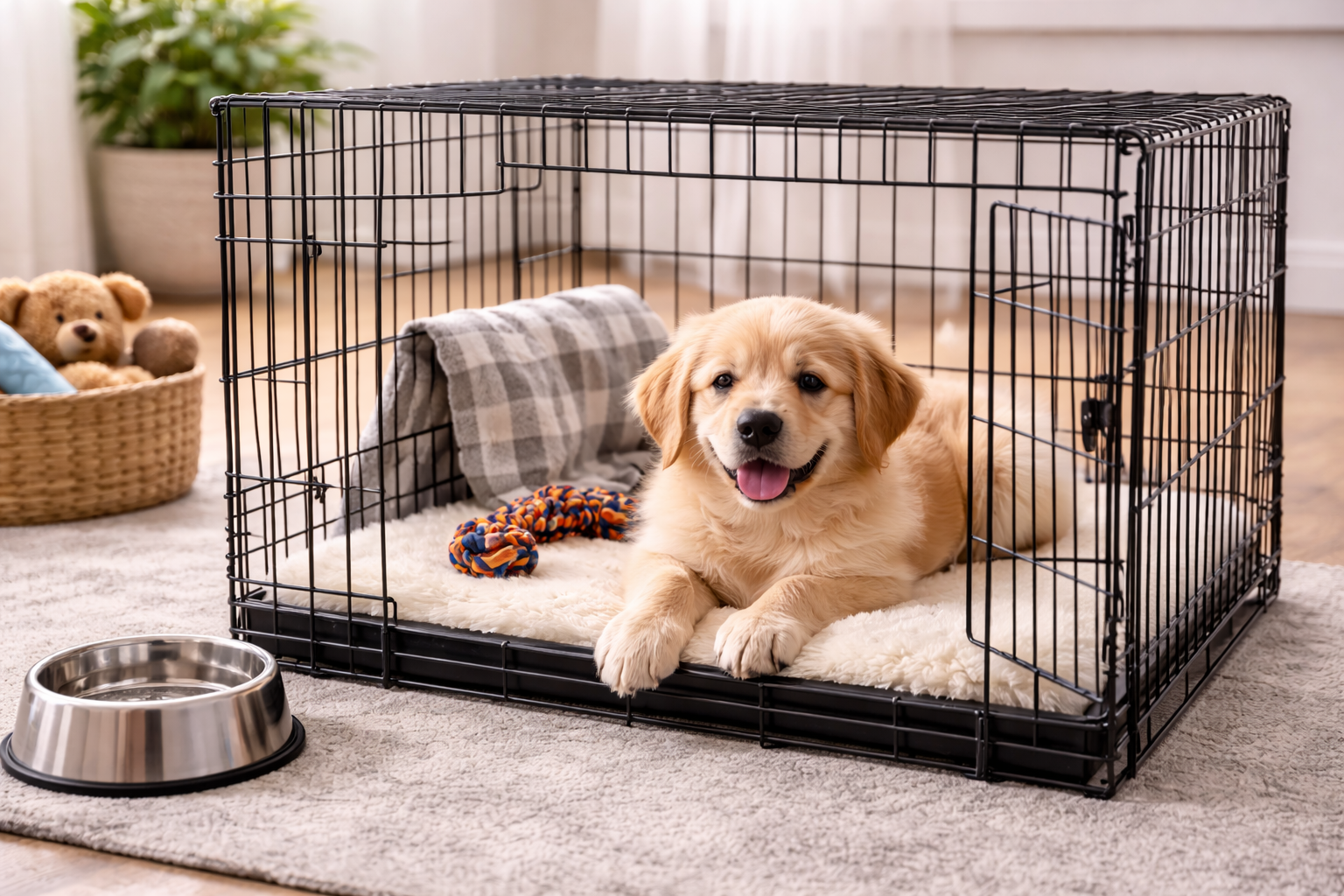
Crate training involves teaching your dog to view a crate as a safe and positive environment. Dogs naturally seek small, enclosed spaces for security. Crate training taps into this instinct.
A properly introduced crate is:
A safe resting place
A house-training aid
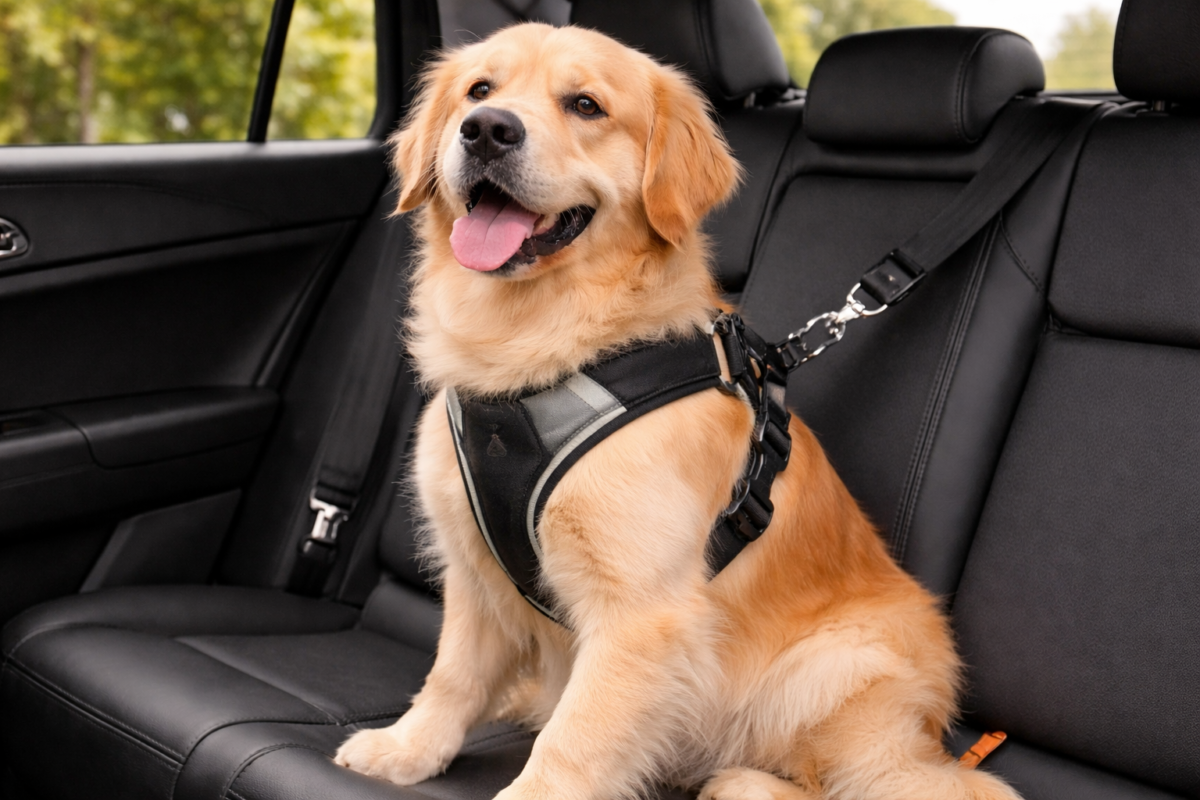
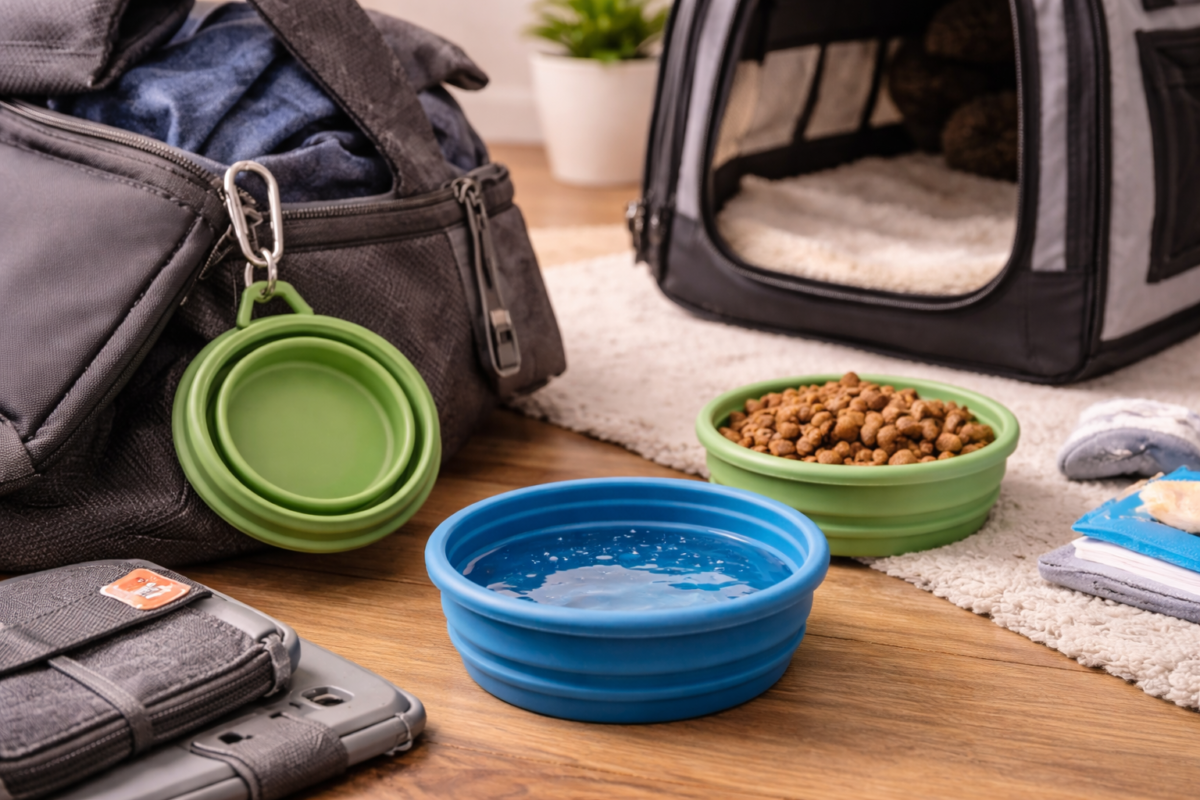
A travel safety tool
A stress-reduction space
It should never be used as punishment.
Benefits of Crate Training
1. Helps with House Training
Dogs instinctively avoid soiling their sleeping area. Crates encourage bladder control and faster potty training.
2. Prevents Destructive Behavior
When unsupervised, puppies may chew furniture, wires, or shoes. A crate keeps them safe and prevents accidents.
3. Creates a Safe Haven
During:
Loud noises
Visitors
Travel
Storms
Dogs can retreat to their crate for comfort.
4. Travel Safety
Crates keep dogs secure during car trips and flights.
Types of Dog Crates
1. Wire Crates
Excellent ventilation
Foldable and portable
Easy to clean
Often include divider panels
Best for home use.
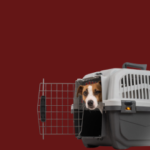
2. Plastic Crates
More enclosed
Ideal for travel
Airline-approved options available
Best for nervous dogs.
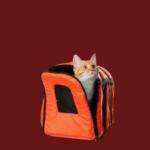
3. Soft-Sided Crates
Lightweight
Portable
Suitable for calm dogs
Not ideal for heavy chewers.
4. Heavy-Duty Crates
Designed for strong dogs
Escape-proof
Durable metal construction
Ideal for powerful breeds.
How to Choose the Right Crate Size
Proper sizing is critical.
Your dog should be able to:
Stand upright
Turn around
Lie down comfortably
The crate should not be too large, especially for puppies. Use a divider panel to adjust space as they grow.
Where to Place the Crate
Ideal crate placement:
Quiet but not isolated area
Living room corner
Near family activity
Away from direct sunlight or drafts
Dogs are social animals and should not feel isolated.
Step-by-Step Crate Training Guide
Step 1: Introduce the Crate Positively
Leave the crate door open
Place treats inside
Let your dog explore voluntarily
Never force entry
Allow curiosity to build naturally.
Step 2: Add Comfort
Inside the crate, include:
Soft bedding
Blanket
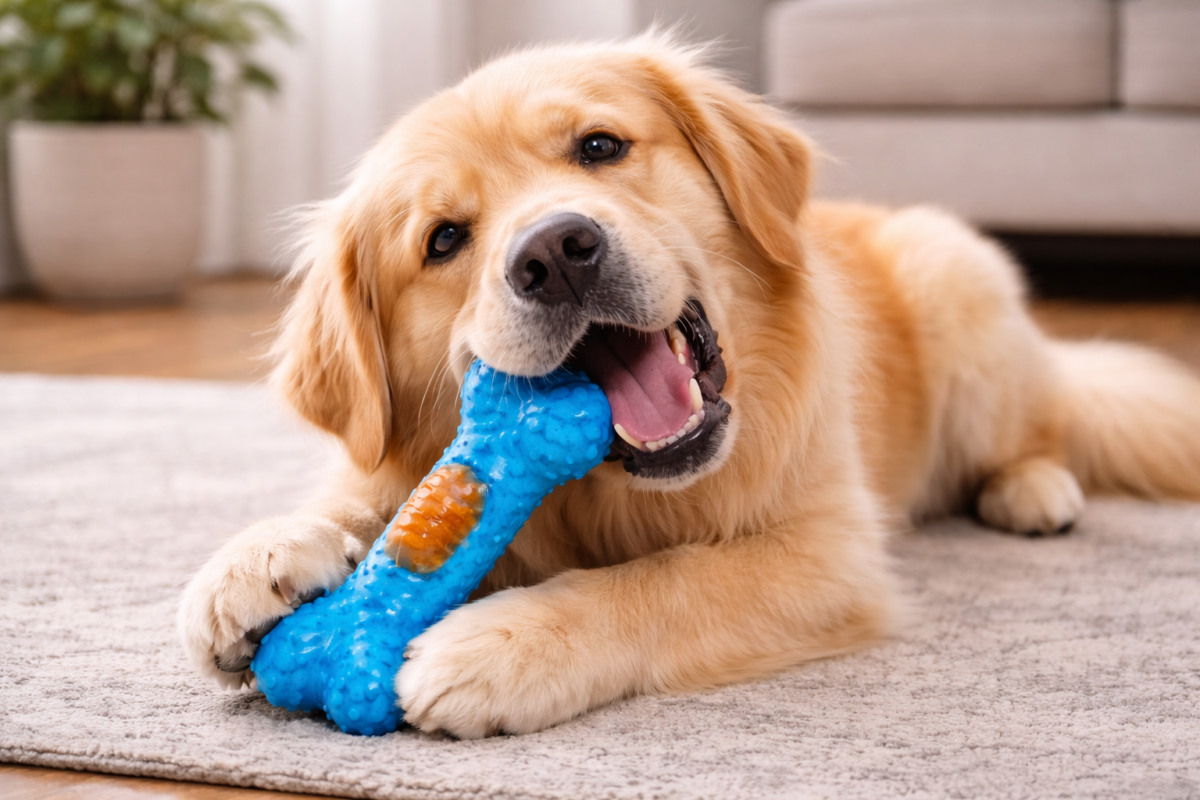
Safe chew toy
Comfort encourages relaxation.
Step 3: Feed Meals in the Crate
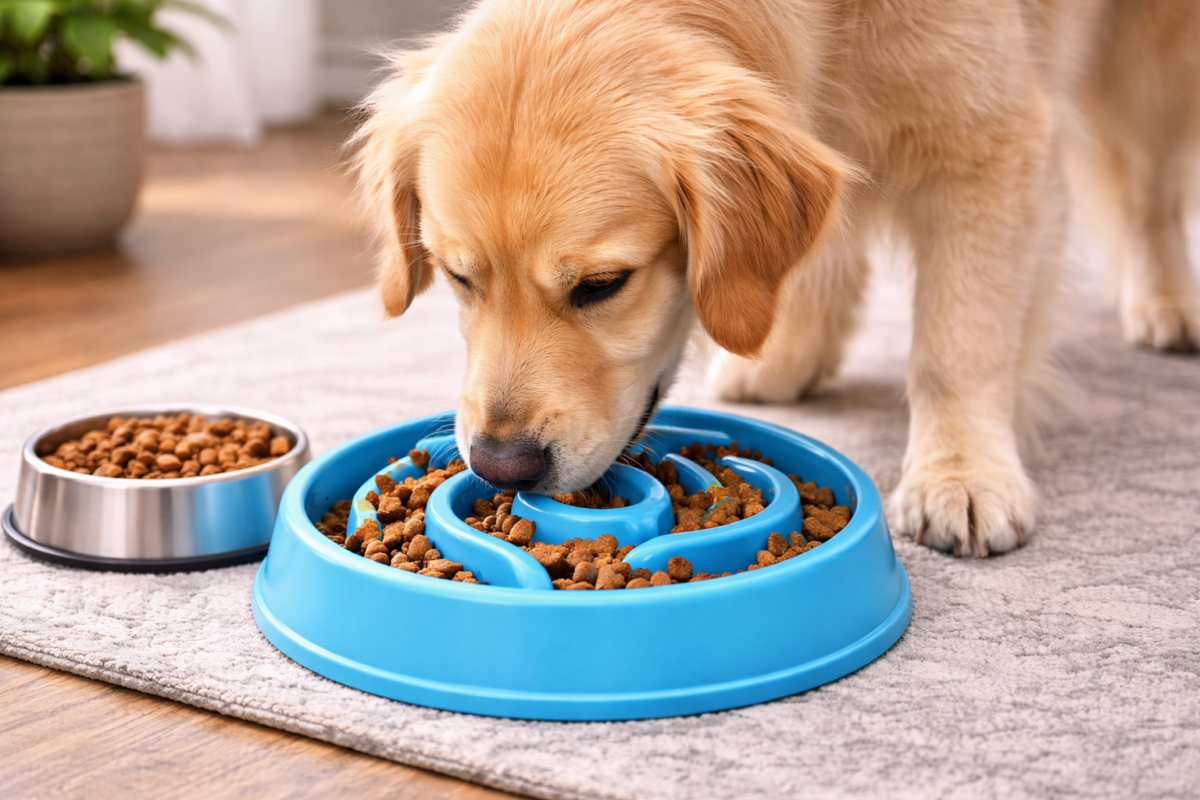
Place your dog’s food bowl inside the crate. This builds positive associations.
Gradually move the bowl further inside over several days.
Step 4: Short Confinement Sessions
Close the door for 5–10 minutes
Stay nearby
Reward calm behavior
Slowly increase duration
Never open the door while your dog is whining.
Step 5: Increase Alone Time Gradually
Start with short periods:
15 minutes
30 minutes
1 hour
Gradually increase based on your dog’s comfort level.
How Long Can a Dog Stay in a Crate?
General guidelines:
Age
Maximum Crate Time
8–10 weeks
1 hour
10–14 weeks
2 hours
14–16 weeks
3 hours
Adult dogs
4–6 hours
Never leave a dog crated for extended periods daily.
Common Crate Training Mistakes
❌ Using crate as punishment ❌ Forcing dog inside ❌ Leaving dog too long ❌ Ignoring exercise needs ❌ Giving in to whining
Crate training requires patience and consistency.
Crate Training Puppies vs Adult Dogs
Puppies:
Learn faster
Require frequent potty breaks
Need gradual time increases
Adult Dogs:
May need more patience
Require slow positive introduction
Can still learn successfully
Age is not a barrier to crate training.
Signs Your Dog Is Comfortable in the Crate
Enters voluntarily
Lies down calmly
Sleeps peacefully
Does not panic when door closes
Comfort is the goal.
Should You Cover the Crate?
Covering can:
Reduce visual stimulation
Create a den-like atmosphere
Help anxious dogs
Ensure proper ventilation if covering.
Nighttime Crate Training
For puppies:
Place crate near your bed
Take puppy out for nighttime potty breaks
Gradually move crate to preferred location
This reduces separation anxiety.
Crate Training and Separation Anxiety
Crates can help with mild separation anxiety but are not a cure for severe cases. Dogs with severe anxiety may need professional guidance.
Is Crate Training Cruel?
No—when done correctly.
Dogs naturally seek den-like spaces. A crate becomes a place of security, not punishment.
Proper training ensures your dog feels safe, not confined.
Alternatives to Crates
If crate training isn’t ideal:
Playpens
Baby gates
Designated safe rooms
However, crates remain the most effective training tool for many dogs.
Final Thoughts
Crate training is one of the best investments you can make in your dog’s development. When introduced properly, a crate becomes a safe haven, supports house training, prevents destructive behavior, and provides peace of mind for owners.
The key is patience, positivity, and gradual progression.
A well-trained dog with a positive crate experience grows into a confident, secure companion—making crate training an essential foundation for responsible dog ownership.


 Accessories & Others
 Apparel
 Beds & Furniture
 Cages & Accessories
 Carriers & Strollers
 Doors, Gates & Ramps
 Flea & Tick Control
 Grooming
 Litter & Housebreaking
 Memorials & Funerary
 Accessories & Others
 Apparel
 Beds & Furniture
 Cages & Accessories
 Carriers & Strollers
 Cat Doors,Steps, Nets.
 Collars, Harnesses & leashes
 Flea & Tick Control
 Grooming
 Cages& Accessories
 Cow Mastitis Detectors
 Ear Tags
 Aquarium Accessories
 Aquarium Cleaners
 Aquarium Decor
 Aquarium Lights
 Aquarium Pumps & Filter
 Aquariums & Fish Bowls
 Automatic Feeders