Choosing between a dog harness and a collar might seem like a simple decision, but it can have a significant impact on your dog’s comfort, safety, and overall walking experience. Both harnesses and collars have their place in dog care, but understanding when to use each—and which is safer in different situations—is key to responsible pet ownership.
In this blog, we’ll break down the pros and cons of harnesses and collars, explore when to use each, and help you decide what’s best for your dog based on breed, age, training needs, and behavior.
What Are Dog Collars?
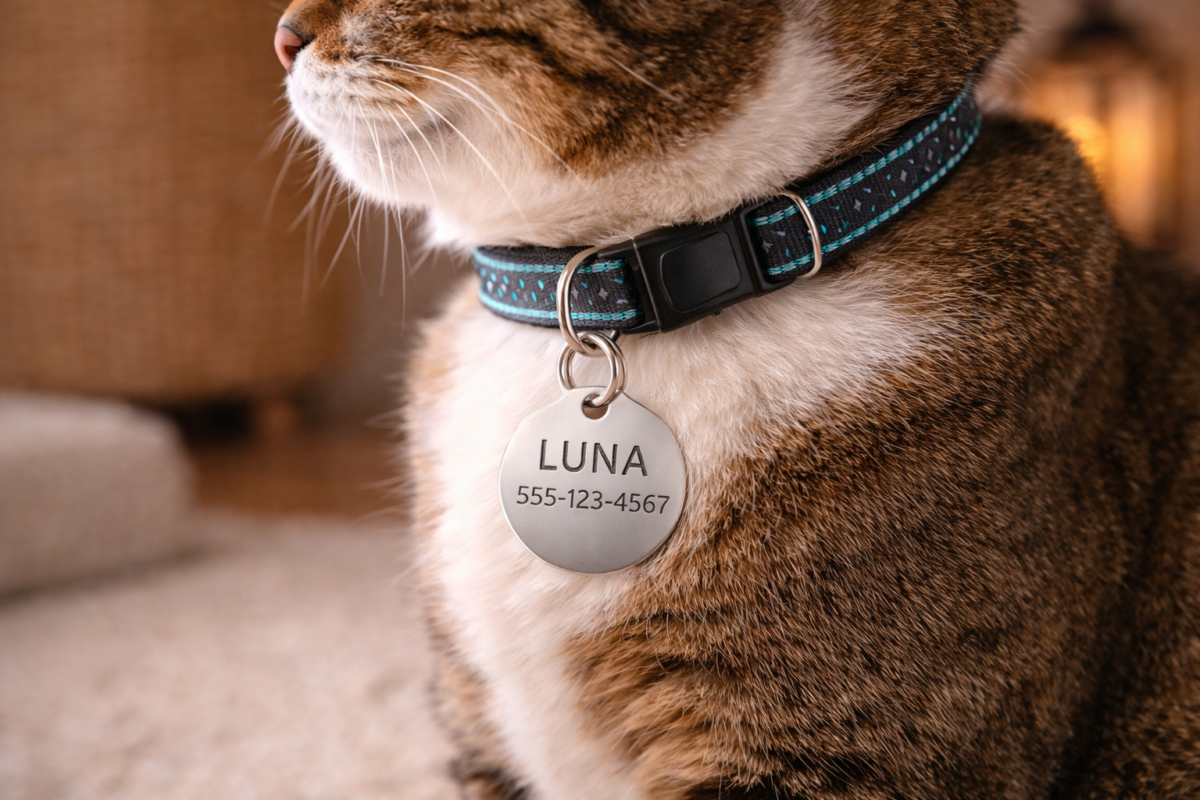
A dog collar is a band that goes around your dog’s neck—and it’s one of the most commonly used types of dog gear. Collars are typically used for:
Holding identification tags
Attaching a leash for walks
Displaying rabies and license tags
Collars are simple, affordable, and effective for many dogs, but they aren’t always ideal for every situation.
What Are Dog Harnesses?
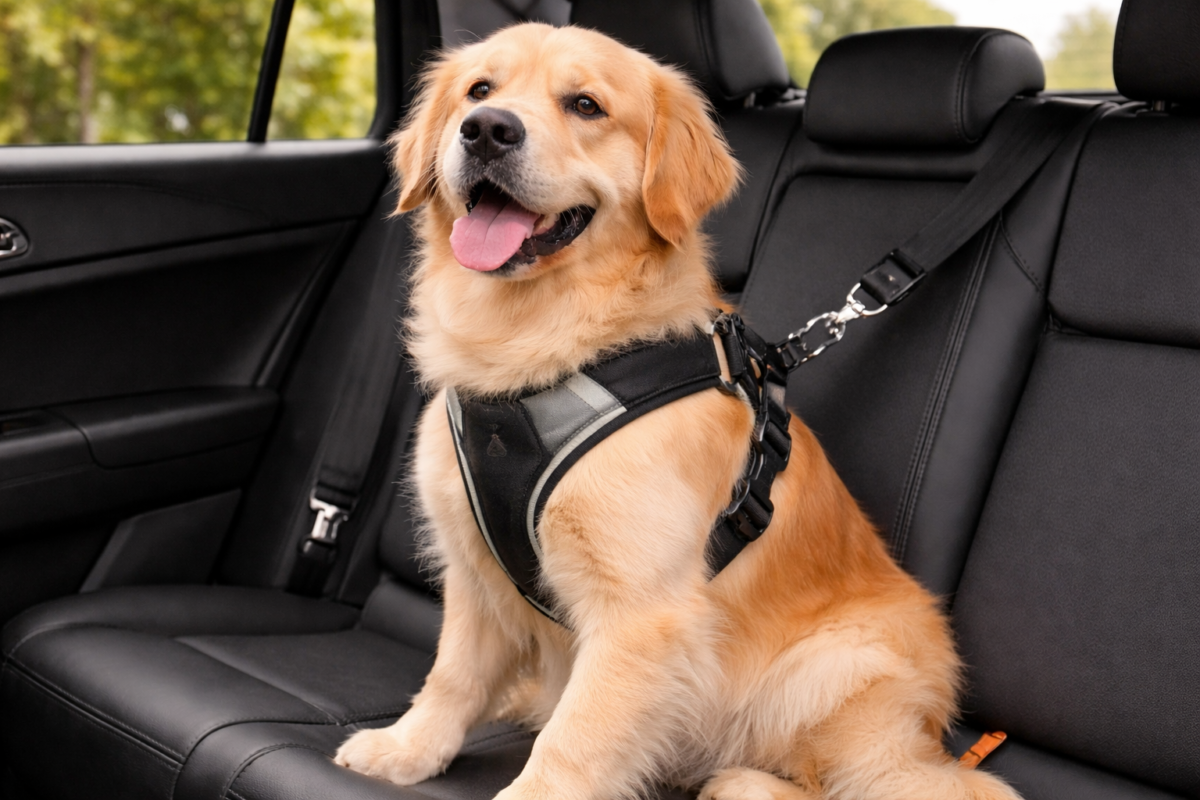
A dog harness is a piece of gear that wraps around a dog’s chest and shoulders, distributing pressure more evenly across the body rather than focusing it on the neck.
There are various types of harnesses, including:
Back-clip harness – leash attachment on the back
Front-clip harness – leash attachment on the chest
Dual-clip harness – both back and front attachment points
Harnesses are especially common for training, pulling control, and safer handling of energetic or small dogs.
Safety Comparison: Harness vs Collar
1. Pressure Distribution & Neck Safety
Collar:
Focuses pressure on the neck
Can cause strain, injuries, or throat irritation
Risky for dogs that pull hard
Harness:
Distributes pressure across chest and shoulders
Reduces risk of neck injury
Better for pulling control
Winner:Harness (especially for dogs that pull or have respiratory issues)
2. Control & Pulling Behavior
Collar:
Less control when dogs pull
Can encourage pulling if the dog leans into the leash
Harness:
Front-clip harnesses help reduce pulling
Better steering and control
Helpful for training and reactive dogs
Winner:Harness for control
3. Breeds & Physical Considerations
Collar works well for:
Well-trained adult dogs who walk calmly
Dogs without neck or trachea issues
Harness works best for:
Small breeds (Chihuahuas, Yorkies)
Brachycephalic breeds (Pugs, Bulldogs)
Dogs with respiratory concerns
Puppies learning leash manners
Harnesses prevent excess pressure on the trachea and windpipe, which is especially important for short-nosed breeds.
4. Training & Behavior Modification
Harnesses with front clips are especially effective for obedience training because they discourage forward pulling and give the handler better steering options.
Collars can be used with proper training methods, but many trainers recommend starting with a harness for ease and safety.
5. Comfort & Long Walks
Collar comfort:
Lightweight
Easy to put on and take off
Harness comfort:
Slightly bulkier
Distributes weight more evenly
Often more comfortable on long walks
Many dogs enjoy the freedom and support of a well-fitted harness.
When a Collar Is Still Useful
Even if a harness is safer for walking, collars still have important uses:
ID Tags: Collars are a convenient place for license and contact info
Short walks: Calm dogs can walk comfortably with a collar
Backup attachment: Collars can act as a safety backup or secondary ID spot
A collar doesn’t need to go away—it just needs to be used appropriately.
When a Harness Is the Better Choice
Consider a harness if your dog:
✔ Pulls often ✔ Is small or fragile ✔ Has neck, trachea, or breathing problems ✔ Is a puppy learning leash manners ✔ Gets easily excited outdoors ✔ Needs training help
For many dogs, a front-clip harness reduces pulling and makes walks more enjoyable for both pet and owner.
Types of Dog Harnesses
Back-Clip Harnesses
Best for calm walkers. Provides comfort and basic control.
Front-Clip Harnesses
Great for training and reducing pulling.
Dual-Clip Harnesses
Versatile choice for both comfort and training.
Also consider padded straps, adjustable sizing, reflective trim, and quick-release buckles for added convenience and safety.
How to Fit a Harness & Collar Properly
Fitting a Collar:
Place the collar around the neck
Check fit with a “two-finger test”
Make sure it’s snug but not tight
Fitting a Harness:
Put the harness on your dog
Adjust so it sits comfortably behind the front legs
Ensure two fingers fit between strap and body
Make sure the harness doesn’t rub or restrict movement
A well-fitted harness or collar keeps your dog secure without discomfort.
Tips for Transitioning from Collar to Harness
Introduce the harness slowly
Use treats and praise during fitting
Start with short walks and build up
Let your dog wear it at home to get used to it
A positive introduction makes the transition smooth and stress-free.
Pros & Cons at a Glance
Feature
Collar
Harness
Neck Pressure
Higher
Lower
Pulling Control
Lower
Higher
Training Support
Moderate
Excellent
Comfort
Lightweight
Better for long walks
Best For
Calm walkers
Pullers & sensitive dogs
Final Verdict: Which Is Safer?If safety is your top concern—especially for pulling dogs, small breeds, or pups just learning leash manners—a harness is generally the safer choice. Collars still have a place for ID tags and gentle walks, but harnesses reduce neck strain, improve control, and often make walks more comfortable and enjoyable


 Accessories & Others
 Apparel
 Beds & Furniture
 Cages & Accessories
 Carriers & Strollers
 Doors, Gates & Ramps
 Flea & Tick Control
 Grooming
 Litter & Housebreaking
 Memorials & Funerary
 Accessories & Others
 Apparel
 Beds & Furniture
 Cages & Accessories
 Carriers & Strollers
 Cat Doors,Steps, Nets.
 Collars, Harnesses & leashes
 Flea & Tick Control
 Grooming
 Cages& Accessories
 Cow Mastitis Detectors
 Ear Tags
 Aquarium Accessories
 Aquarium Cleaners
 Aquarium Decor
 Aquarium Lights
 Aquarium Pumps & Filter
 Aquariums & Fish Bowls
 Automatic Feeders