Daily walks are one of the most important parts of your dog’s routine. They provide exercise, mental stimulation, bonding time, and essential exposure to the world. But choosing the right leash can make the difference between a relaxed, enjoyable stroll and a frustrating tug-of-war session.
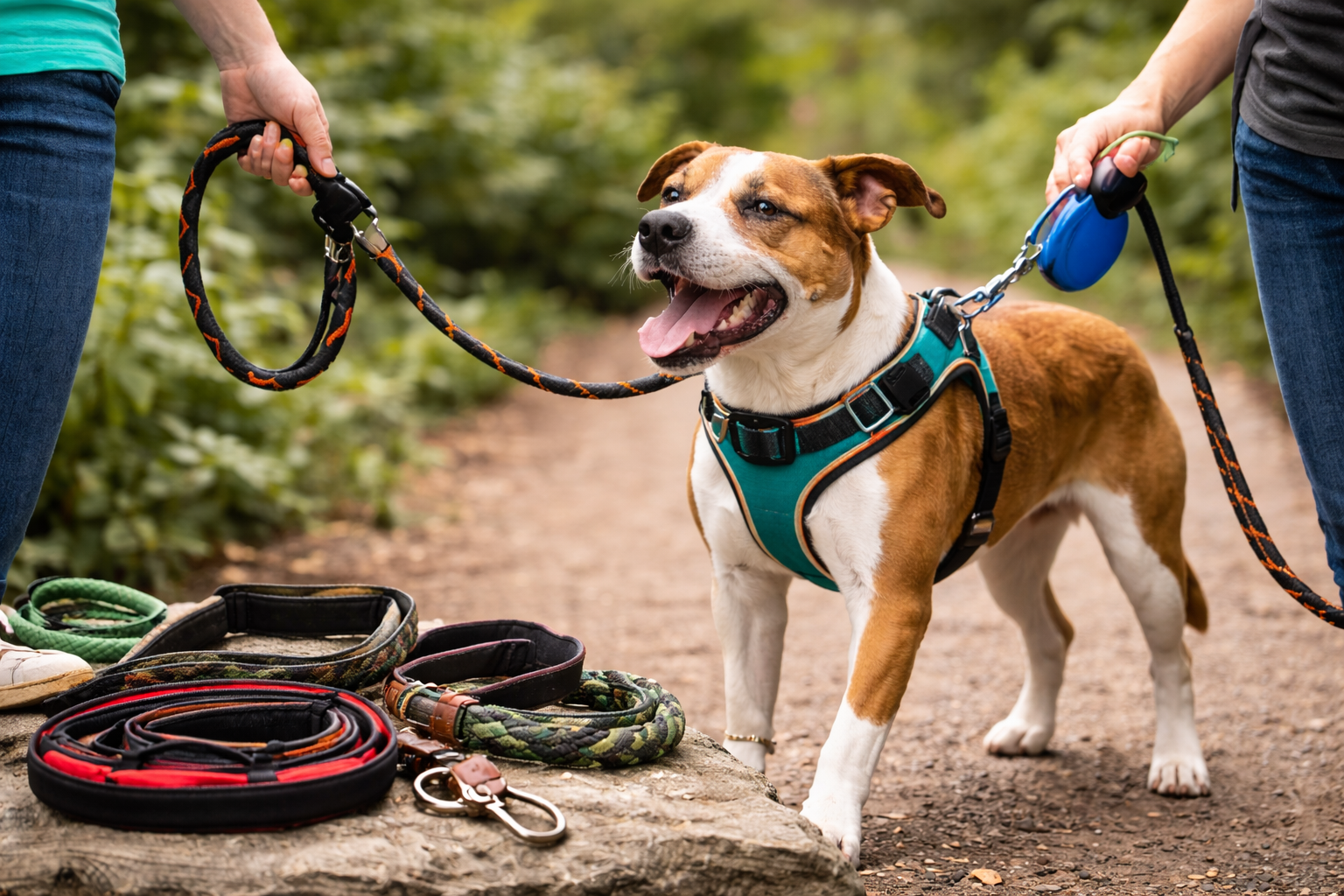
With so many leash types available—standard, retractable, hands-free, adjustable, chain, and more—it can be confusing to know which one is best for daily use. In this guide, we’ll break down the most common types of dog leashes, their pros and cons, and how to choose the best option for your dog’s size, temperament, and walking habits.
Why Choosing the Right Leash Matters
A leash is more than just a tool for control. The right leash:
- Improves safety for your dog and others
- Supports training and better leash manners
- Increases comfort during long walks
- Provides better control in busy environments
- Reduces strain on your hands and shoulders
An unsuitable leash can cause discomfort, poor control, and even accidents. That’s why understanding your options is so important.
1. Standard Leash (Flat Leash)
Best for: Everyday walking and general use
The standard leash is the most common and widely recommended type for daily walks. It typically ranges from 4 to 6 feet in length and is made from nylon, leather, or polyester.
Pros:
- Offers excellent control
- Simple and reliable
- Great for training
- Available in various widths and materials
Cons:
- Limited freedom compared to retractable leashes
A 6-foot leash is generally considered ideal for daily walks. It gives your dog enough room to explore while still allowing you to maintain control in crowded areas.
If you want something durable and comfortable, look for padded handles and strong metal clips.
2. Retractable Leash
Best for: Open areas with well-trained dogs
Retractable leashes allow dogs to roam farther—sometimes up to 26 feet—while still technically being on a leash.
Pros:
- Gives dogs more freedom
- Encourages exploration
- Adjustable length
Cons:
- Less control in emergencies
- Can cause injuries if misused
- Not ideal for busy streets
While retractable leashes may seem convenient, they are generally not recommended for daily walks in high-traffic areas. The thin cord can snap under pressure, and sudden pulling can cause injuries to both dog and owner.
They work best in large, open spaces and with dogs that already have excellent leash manners.
3. Adjustable Leash
Best for: Versatile daily use
Adjustable leashes can change length, often ranging from 3 to 6 feet or longer. Some styles even allow hands-free options by looping around your waist or shoulder.
Pros:
- Flexible length options
- Great for training and crowded areas
- Can double as a temporary tether
Cons:
- Slightly more complex design
This is a great option for dog owners who want versatility without switching between multiple leashes. You can shorten it in busy areas and extend it in parks.
4. Hands-Free Leash
Best for: Jogging or active walkers
Hands-free leashes are designed to wrap around your waist, allowing you to walk or jog without holding the leash.
Pros:
- Convenient for runners
- Reduces hand strain
- Promotes natural arm movement
Cons:
- Less direct control
- Not ideal for strong pullers
If your dog is well-trained and doesn’t pull excessively, a hands-free leash can make daily exercise much more comfortable. However, for strong or reactive dogs, traditional hand-held control is usually safer.
5. Chain Leash
Best for: Dogs that chew leashes
Chain leashes are made from metal links and are ideal for dogs that tend to chew through nylon or fabric leashes.
Pros:
- Extremely durable
- Chew-resistant
Cons:
- Heavier than other leashes
- Can be uncomfortable to hold
While chain leashes are durable, they are not typically the first choice for comfortable daily walks. They are better suited for dogs with destructive chewing habits.
6. Slip Lead
Best for: Training or quick control situations
A slip lead combines a leash and collar into one piece. It tightens slightly when the dog pulls and loosens when tension is released.
Pros:
- Easy to put on and remove
- Useful for training
- Convenient for quick outings
Cons:
- Can cause neck pressure if misused
- Not ideal for strong pullers
Slip leads are commonly used by trainers and veterinarians but may not be the best long-term solution for everyday walks, especially for dogs that pull heavily.
Choosing the Right Length for Daily Walks
Length plays a major role in leash control and comfort.
- 4 feet: Maximum control, ideal for crowded areas
- 6 feet: Best balance of freedom and safety
- 10+ feet: Better for training recall, not daily sidewalks
For most dog owners, a 6-foot standard leash is the safest and most practical choice.
Best Leash Materials for Daily Use
Nylon
- Affordable
- Lightweight
- Comes in many colors
- May fray over time
Leather
- Durable and long-lasting
- Becomes softer with use
- More expensive
Rope
- Strong and durable
- Comfortable grip
- Great for larger dogs
For daily walks, nylon or leather leashes are usually the top choices.
Matching the Leash to Your Dog’s Size
Not all leashes are suitable for every dog.
Small Dogs
- Lightweight leash
- Thin but durable material
- Smaller clip size
Medium Dogs
- Standard-width nylon or leather
- Secure clasp
Large or Strong Dogs
- Thick, heavy-duty leash
- Reinforced stitching
- Strong metal hardware
Using a leash that’s too thin for a powerful dog can be unsafe.
What About Pulling?
If your dog pulls frequently, the leash alone won’t solve the problem. Consider pairing your leash with:
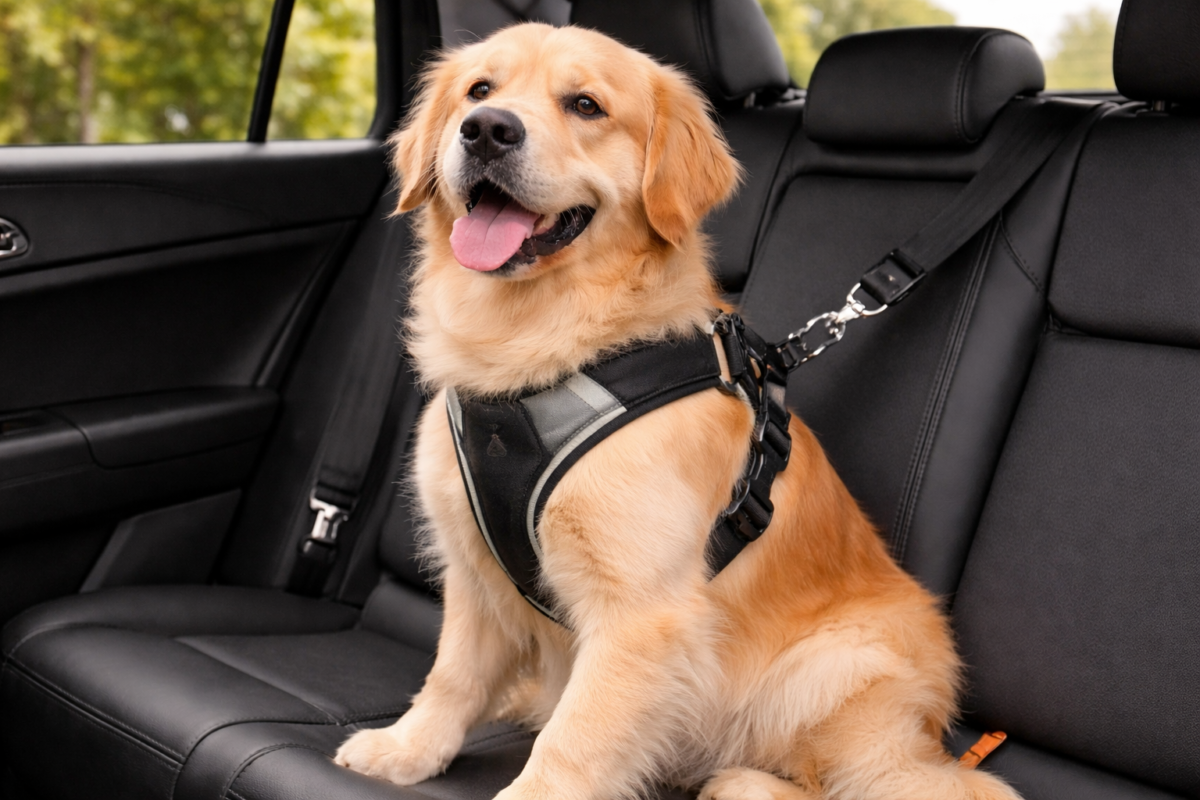
- A no-pull harness
- A front-clip harness
- Professional training
The combination of the right leash and proper training creates the best walking experience.
Safety Tips for Daily Walks
Regardless of leash type, follow these tips:
- Inspect the leash regularly for wear and tear
- Ensure the clip locks securely
- Avoid wrapping the leash tightly around your hand
- Keep a firm but relaxed grip
- Stay aware of your surroundings
A damaged leash can break unexpectedly, leading to dangerous situations.
So, Which Type Is Best for Daily Walks?
For most dogs and owners, the standard 6-foot flat leash is the best choice for daily walks. It offers:
- Reliable control
- Safety in busy areas
- Comfort for both dog and owner
- Simplicity and durability
Adjustable leashes are a close second for those who want flexibility, while retractable leashes are better reserved for open, controlled environments.
Ultimately, the best leash is one that matches your dog’s behavior, size, and walking environment.
Final Thoughts
Choosing the right dog leash may seem simple, but it plays a major role in safety, comfort, and overall walking experience. Whether you prefer nylon, leather, adjustable, or hands-free designs, prioritize control and durability for daily use.


 Accessories & Others
 Apparel
 Beds & Furniture
 Cages & Accessories
 Carriers & Strollers
 Doors, Gates & Ramps
 Flea & Tick Control
 Grooming
 Litter & Housebreaking
 Memorials & Funerary
 Accessories & Others
 Apparel
 Beds & Furniture
 Cages & Accessories
 Carriers & Strollers
 Cat Doors,Steps, Nets.
 Collars, Harnesses & leashes
 Flea & Tick Control
 Grooming
 Cages& Accessories
 Cow Mastitis Detectors
 Ear Tags
 Aquarium Accessories
 Aquarium Cleaners
 Aquarium Decor
 Aquarium Lights
 Aquarium Pumps & Filter
 Aquariums & Fish Bowls
 Automatic Feeders