Training your dog doesn’t require harsh methods or complicated equipment. In fact, the most effective dog training tools are simple, humane, and designed to build clear communication between you and your dog. When used correctly, the right tools can speed up learning, reduce behavioral issues, and strengthen the bond you share with your pet.
In this guide, we’ll explore dog training tools that actually work, why they’re effective, and how to use them properly—whether you’re training a puppy or refining skills with an adult dog.
Why the Right Training Tools Matter
Dogs learn best through clear signals, consistency, and positive reinforcement. Poor tools—or misuse of tools—can cause confusion, fear, or frustration.
Effective training tools help:
- Improve communication
- Reinforce good behavior
- Prevent bad habits
- Increase confidence
- Make training enjoyable
The goal is not control through fear, but cooperation through understanding.
1. Treat Pouch & High-Value Treats (Most Important Tool)
Food motivation is one of the strongest learning drivers for dogs.
Why it works
- Immediate reward reinforces behavior
- Keeps dog focused
- Makes learning fun
Best practices
- Use small, soft treats
- Reward immediately after correct behavior
- Gradually reduce treats as behavior improves
A hands-free treat pouch allows quick access and consistent timing.
2. Clicker (Clear Communication Tool)
A clicker is a small device that makes a consistent sound to mark correct behavior.
Why it works
- Provides instant feedback
- Eliminates confusion
- Works across all training levels
How to use it
- Click the moment your dog performs the correct action
- Follow with a treat
- Repeat consistently
Clicker training is especially effective for obedience and trick training.
3. Training Leash (Proper Length Matters)
A standard leash gives you control without restricting movement.
Recommended options
- 4–6 ft leash: Best for obedience training
- Long line leash: Great for recall training
Why it works
- Maintains safety
- Encourages controlled exploration
- Reinforces leash manners
Avoid retractable leashes during training—they reduce control and clarity.
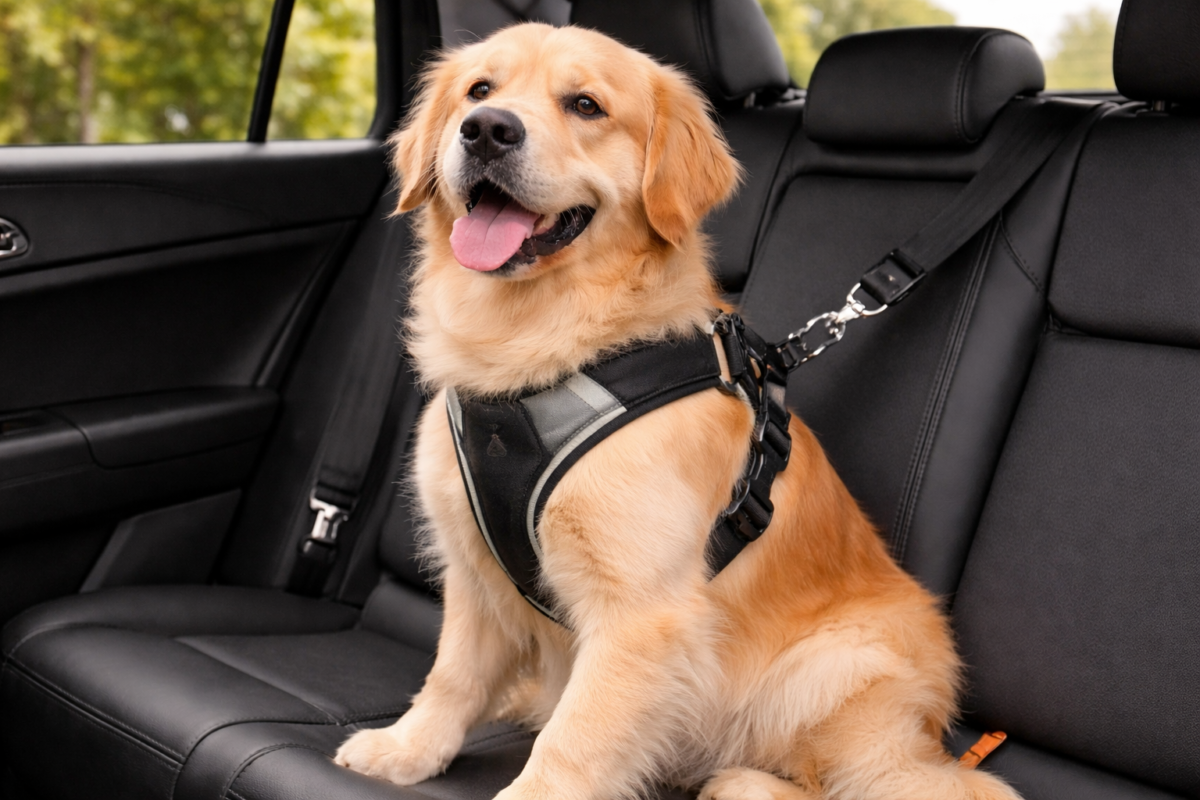
4. Dog Harness (Better Than Collars for Training)
Harnesses distribute pressure across the body instead of the neck.
Benefits
- Reduces pulling
- Prevents neck injury
- Improves handling
Front-clip harnesses are especially effective for loose-leash walking.
5. Training Whistle (Distance Communication)
Whistles provide a consistent sound that carries farther than voice commands.
Best for
- Recall training
- Outdoor and off-leash work
- Hunting or working dogs
Dogs respond well to whistle cues because they’re clear and emotion-free.
6. Training Pads (House Training Support)
For puppies and apartment dogs, training pads can help during early stages.
Why they work
- Provides a clear potty location
- Helps prevent accidents
- Useful during bad weather
Training pads should be phased out gradually to avoid long-term dependency.
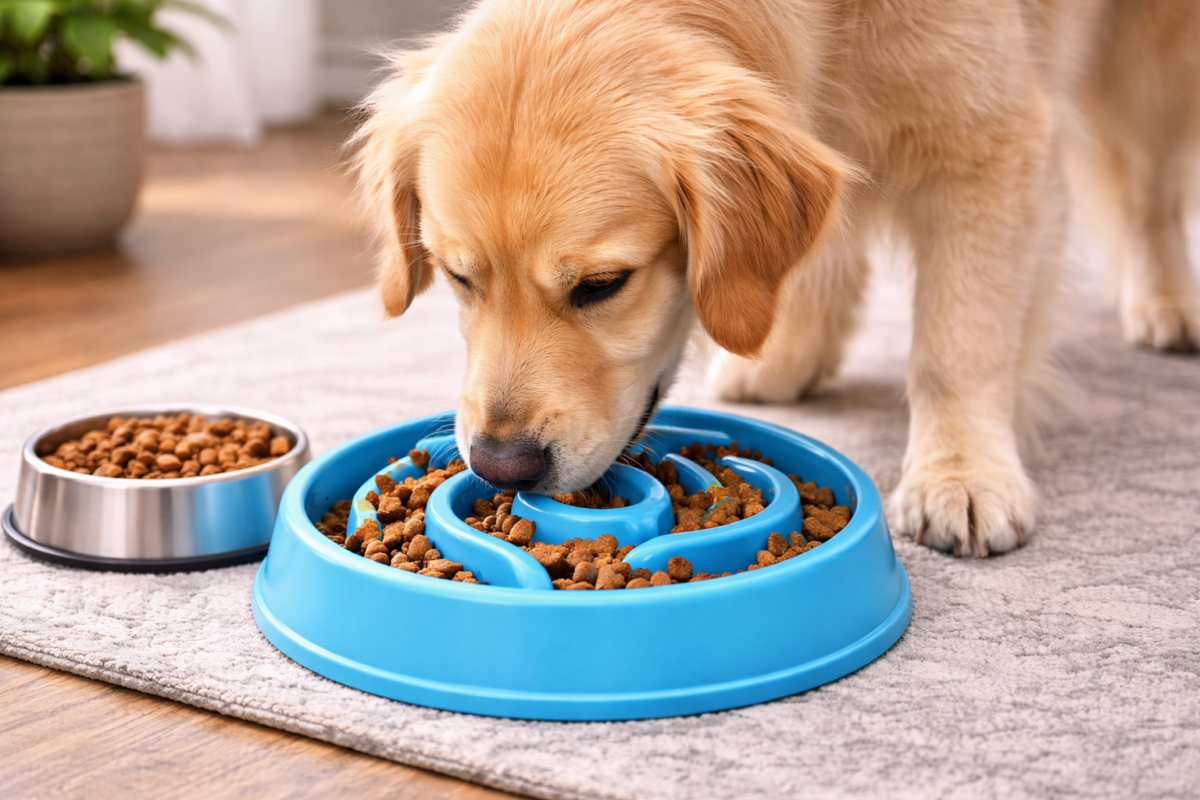
7. Puzzle Toys & Interactive Feeders
Mental stimulation is a form of training.
Benefits
- Reduces boredom
- Encourages problem-solving
- Helps with impulse control
Using puzzles during feeding reinforces patience and calm behavior.
8. Place Mat or Dog Bed (Boundary Training)
Teaching “place” is a powerful behavior skill.
Why it works
- Teaches calmness
- Improves impulse control
- Helps with guests and meal times
Use a specific mat or bed to create consistency.
Tools to Use With Caution
Some tools can work only under professional guidance.
⚠️ Prong collars
⚠️ E-collars (shock collars)
⚠️ Choke chains
Improper use can cause fear, anxiety, or aggression. Positive methods are safer and more effective for most dogs.
Training Tools That Don’t Actually Work
❌ Punishment-based tools
❌ Yelling or physical corrections
❌ Inconsistent tools
❌ Tools without training knowledge
Tools don’t train dogs—people do.
How to Choose the Right Training Tools
Ask yourself:
- What behavior am I training?
- Is my dog food-motivated?
- Do I need distance control?
- Is my dog anxious or confident?
Start simple. Most dogs need only a few effective tools.
Sample Beginner Training Kit
- Treat pouch + treats
- Clicker
- 6-ft leash
- Front-clip harness
- Place mat
This setup covers most basic obedience needs.
Tips for Successful Dog Training
- Train in short sessions (5–10 minutes)
- Be consistent with cues
- Reward progress, not perfection
- End sessions on success
- Practice daily
Consistency matters more than equipment.


 Accessories & Others
 Apparel
 Beds & Furniture
 Cages & Accessories
 Carriers & Strollers
 Doors, Gates & Ramps
 Flea & Tick Control
 Grooming
 Litter & Housebreaking
 Memorials & Funerary
 Accessories & Others
 Apparel
 Beds & Furniture
 Cages & Accessories
 Carriers & Strollers
 Cat Doors,Steps, Nets.
 Collars, Harnesses & leashes
 Flea & Tick Control
 Grooming
 Cages& Accessories
 Cow Mastitis Detectors
 Ear Tags
 Aquarium Accessories
 Aquarium Cleaners
 Aquarium Decor
 Aquarium Lights
 Aquarium Pumps & Filter
 Aquariums & Fish Bowls
 Automatic Feeders