Collecting and storing eggs properly is essential for maintaining freshness, quality, and food safety. Whether you manage a commercial poultry farm or raise backyard chickens, using the right egg collection baskets and following proper storage practices can significantly reduce breakage, contamination, and spoilage.
Fresh eggs are delicate. Without proper handling, they can crack, lose moisture, or become contaminated with bacteria. This guide covers the best types of egg collection baskets, essential features to look for, and professional storage tips to keep eggs fresh longer.
Why Proper Egg Collection Matters
Egg collection is more than just gathering eggs from nesting boxes. It plays a critical role in:
- Maintaining egg quality
- Preventing cracks and breakage
- Reducing bacterial contamination
- Extending shelf life
- Improving market value
Frequent and careful collection ensures eggs remain clean and safe for consumption or sale.
Types of Egg Collection Baskets
Different poultry operations require different basket types. Below are the most common options.
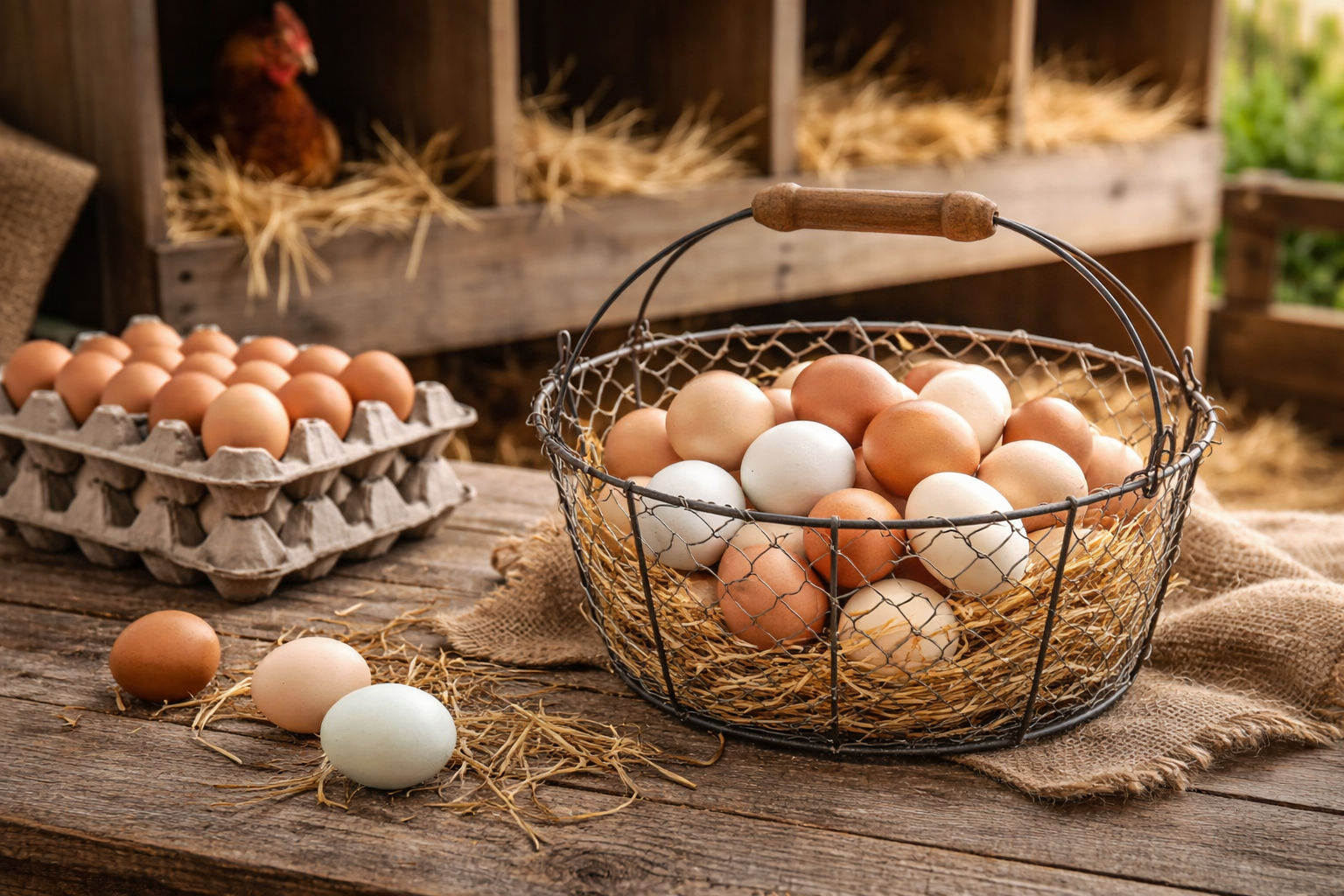
1. Traditional Wire Egg Baskets
Wire egg baskets are popular among backyard poultry keepers and small farms.
Advantages:
- Excellent airflow
- Lightweight and durable
- Easy to clean
- Rustic farm appeal
The open design allows dirt to fall through while keeping eggs ventilated.
2. Plastic Egg Collection Baskets
Plastic baskets are affordable and easy to sanitize.
Advantages:
- Lightweight
- Water-resistant
- Easy washing and disinfecting
- Suitable for wet conditions
They are ideal for humid or rainy farm environments.
3. Egg Collection Trays & Flats
Egg trays and flats are commonly used in commercial poultry farms.
Advantages:
- Organized stacking
- Reduced breakage
- Easy transport
- Efficient bulk storage
Standard trays usually hold 30 eggs and are stackable.
4. Padded Egg Baskets
Padded baskets provide extra protection during transport.
Advantages:
- Reduces cracking
- Ideal for fragile or thin-shelled eggs
- Suitable for long-distance carrying
These are useful when walking across uneven ground.
Features to Look for in an Egg Collection Basket
When selecting an egg basket, consider:
1. Capacity
Choose a basket size based on daily egg production.
2. Durability
Metal and heavy-duty plastic baskets last longer.
3. Ventilation
Proper airflow prevents moisture buildup.
4. Easy Cleaning
Smooth surfaces reduce bacteria buildup.
5. Comfortable Handle
Ergonomic handles reduce strain during collection.
Best Practices for Egg Collection
Proper technique is just as important as the basket you use.
Collect Eggs Frequently
- 2–3 times daily in hot weather
- At least once daily in cooler climates
Frequent collection reduces the risk of dirty or cracked eggs.
Handle Gently
Avoid stacking eggs loosely in large piles. Always place them carefully.
Keep Nesting Boxes Clean
Clean nesting material reduces contamination.
Separate Cracked Eggs
Discard or use immediately; do not store cracked eggs.
Egg Cleaning: Should You Wash Fresh Eggs?
Freshly laid eggs have a natural protective coating called the “bloom” or cuticle. This coating helps prevent bacteria from entering the shell.
If Eggs Are Clean:
- Do not wash
- Store directly
If Eggs Are Dirty:
- Dry clean using a brush or cloth
- If necessary, wash with warm water (warmer than the egg)
- Dry immediately
Never soak eggs in cold water as it can draw bacteria inside.
Proper Egg Storage Tips
Correct storage extends egg freshness and safety.
1. Refrigeration
Store eggs at 4°C (40°F) or below.
2. Store Pointed End Down
This keeps the yolk centered and extends shelf life.
3. Avoid Temperature Fluctuations
Do not leave eggs out and refrigerate repeatedly.
4. Keep Away from Strong Odors
Eggs absorb smells easily. Store away from onions, fish, etc.
5. Use Egg Cartons
Cartons prevent moisture loss and protect shells.
Shelf Life of Fresh Eggs
- Room temperature (cool climate): 7–10 days
- Refrigerated: 4–5 weeks
- Washed and refrigerated: Shorter shelf life
For commercial sales, always follow local food safety regulations.
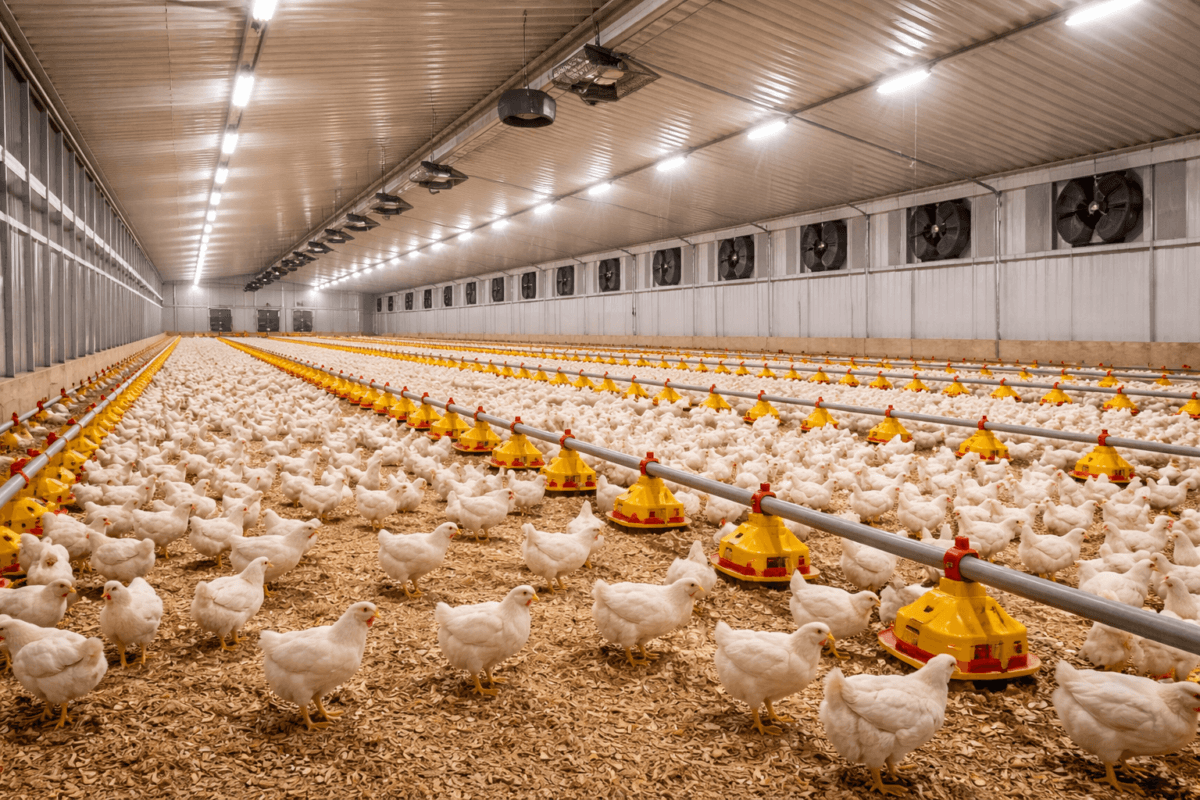
Storage Solutions for Large Poultry Farms
Commercial farms use:
- Stackable egg flats
- Cold storage rooms
- Grading and sorting machines
- Shock-absorbing transport trays
Maintaining a consistent cold chain ensures maximum freshness.
Preventing Egg Breakage During Collection
- Avoid overfilling baskets
- Use padded or tray-based systems
- Walk carefully during transport
- Maintain smooth pathways in poultry houses
Small improvements in handling can significantly reduce losses.
Hygiene & Biosecurity Considerations
Egg handling areas must remain clean.
- Wash hands before and after collection
- Sanitize baskets regularly
- Keep storage rooms pest-free
- Disinfect egg trays when reused
Good hygiene protects both consumers and poultry health.
Common Mistakes to Avoid
- Leaving eggs in nesting boxes too long
- Washing eggs with cold water
- Storing eggs in direct sunlight
- Overcrowding baskets
- Ignoring cracked shells
These mistakes reduce egg quality and increase spoilage.
Benefits of Using the Right Egg Collection System
Investing in proper egg baskets and storage systems offers:
- Reduced egg breakage
- Improved hygiene
- Longer shelf life
- Higher customer satisfaction
- Better farm profitability
Even small backyard poultry keepers benefit from organized collection methods.
Final Thoughts
Egg collection and storage may seem simple, but they significantly impact egg quality and farm efficiency. Choosing the right egg collection basket — whether wire, plastic, padded, or commercial trays — combined with proper storage practices ensures fresh, safe, and high-quality eggs.
Consistent handling, proper refrigeration, and good hygiene are the keys to maximizing egg value and minimizing waste. Whether you run a small flock or a large poultry operation, a well-organized egg collection system makes daily farm management easier and more profitable.


 Accessories & Others
 Apparel
 Beds & Furniture
 Cages & Accessories
 Carriers & Strollers
 Doors, Gates & Ramps
 Flea & Tick Control
 Grooming
 Litter & Housebreaking
 Memorials & Funerary
 Accessories & Others
 Apparel
 Beds & Furniture
 Cages & Accessories
 Carriers & Strollers
 Cat Doors,Steps, Nets.
 Collars, Harnesses & leashes
 Flea & Tick Control
 Grooming
 Cages& Accessories
 Cow Mastitis Detectors
 Ear Tags
 Aquarium Accessories
 Aquarium Cleaners
 Aquarium Decor
 Aquarium Lights
 Aquarium Pumps & Filter
 Aquariums & Fish Bowls
 Automatic Feeders