Keeping your pet safe is one of the most important responsibilities of pet ownership. Whether you have a playful puppy, a curious cat, or a senior dog, accidents and unexpected situations can happen at any time. The good news is that the right pet safety products can significantly reduce risks and give you peace of mind.
In this guide, we’ll cover the essential pet safety products every owner should have, why they matter, and how they help protect your dog or cat at home, outdoors, and on the road.
Why Pet Safety Products Are So Important
Pets rely on us to create a safe environment. Everyday hazards—such as traffic, sharp objects, extreme temperatures, or household chemicals—can pose serious risks.
Pet safety products help:
- Prevent injuries and accidents
- Reduce stress and anxiety
- Improve visibility and control
- Prepare owners for emergencies
- Protect pets during travel
Investing in safety products is not about fear—it’s about responsible care.
1. ID Tags & Microchips (Absolute Essentials)
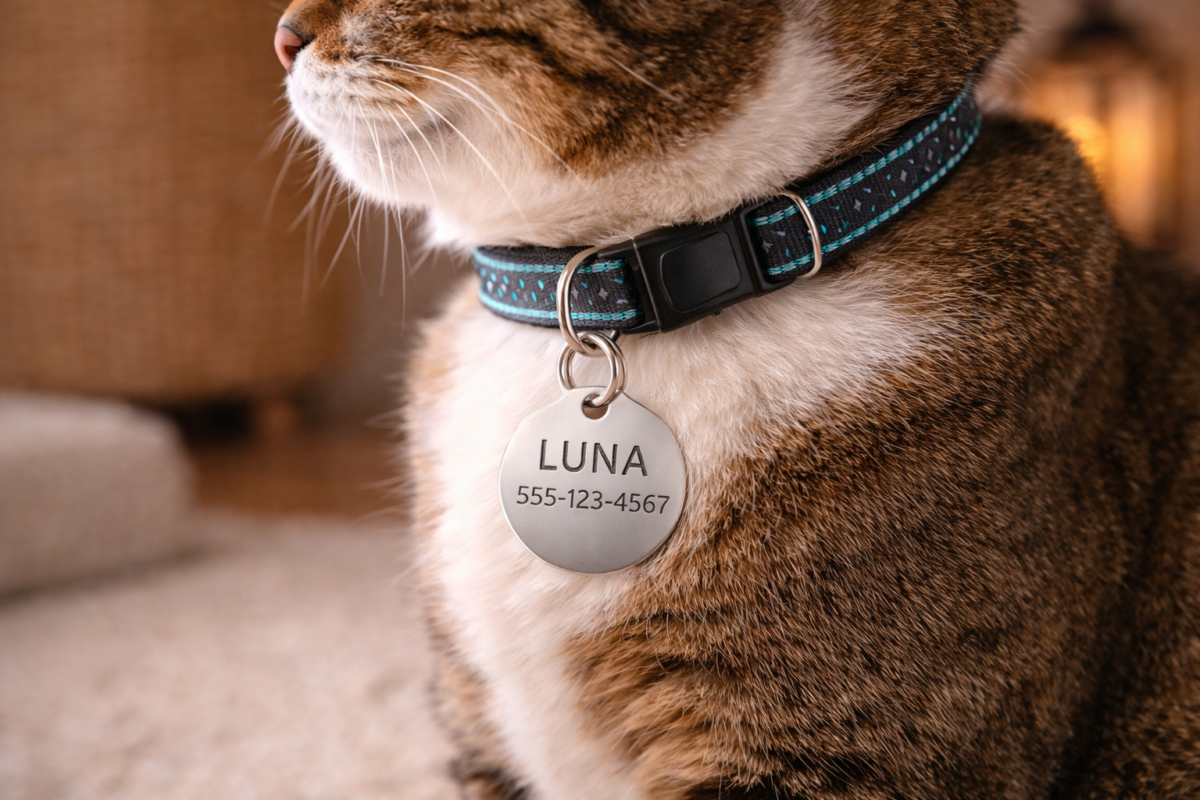
If a pet gets lost, identification is the fastest way to bring them home.
Why they matter
- ID tags provide immediate contact information
- Microchips offer permanent identification if collars come off
Best practice:
Use both an ID tag and a microchip for maximum protection.
2. Secure Collars & Harnesses
A well-fitted collar or harness is essential for daily walks and outings.
Safety benefits
- Prevents escape
- Improves control during walks
- Reduces injury risk when properly fitted
Harnesses are especially recommended for:
- Puppies
- Small breeds
- Dogs that pull
- Dogs with neck or breathing issues
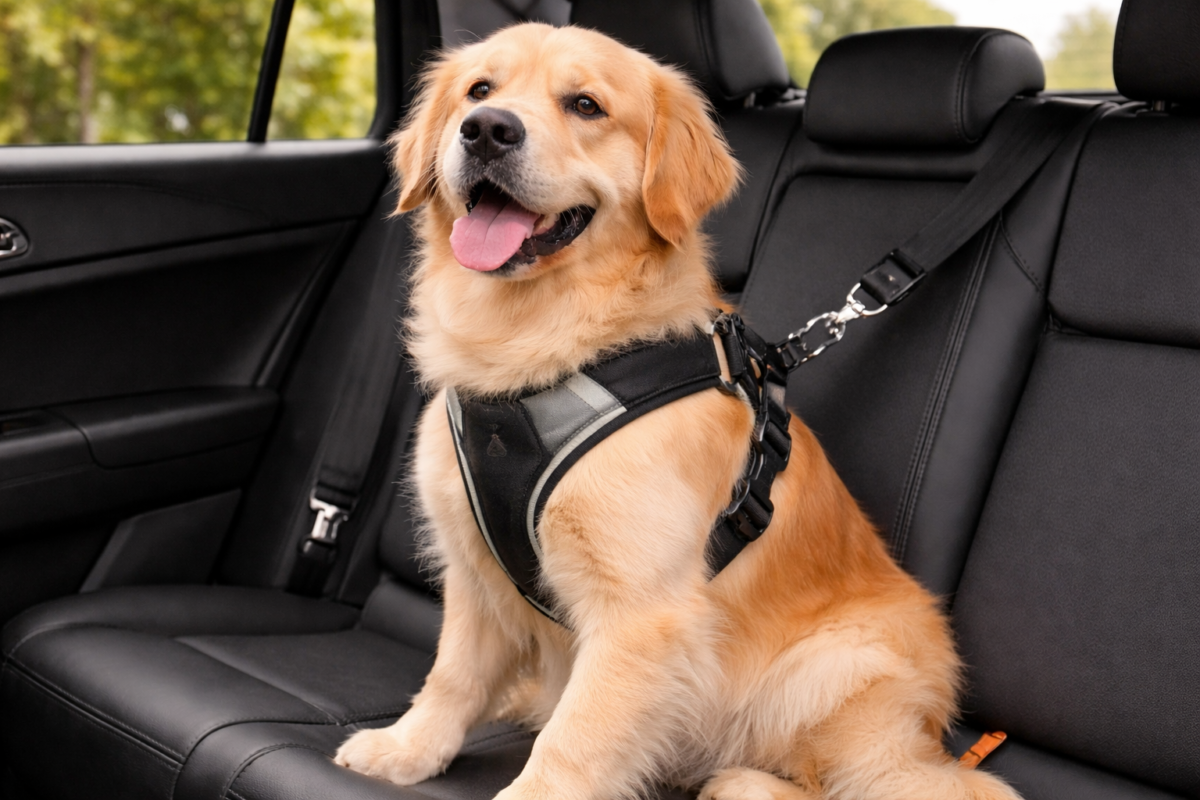
3. Pet Seat Belts & Car Safety Harnesses
Unrestrained pets in cars are a major safety risk.
Why they’re essential
- Protect pets during sudden stops or accidents
- Prevent driver distraction
- Keep pets from roaming inside the vehicle
Always attach seat belts to a harness, not a collar.
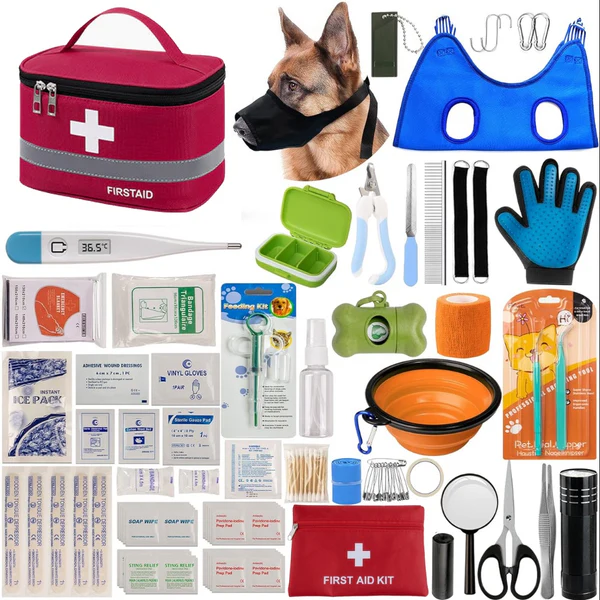
4. Pet First Aid Kit
Emergencies can happen anywhere—being prepared matters.
Must-have items
- Bandages and gauze
- Antiseptic wipes
- Tweezers (for ticks or splinters)
- Paw balm or booties
- Emergency contact numbers
A pet first aid kit is invaluable for travel and home use.
5. Reflective & LED Safety Gear
Visibility saves lives, especially during night walks.
Recommended products
- Reflective collars and leashes
- LED clip-on lights
- Reflective harnesses
These products help drivers and cyclists see your pet in low-light conditions.
6. Pet Gates & Home Safety Barriers
Pets are naturally curious, and not every part of your home is safe.
Use pet gates to:
- Block staircases
- Restrict access to kitchens or garages
- Separate pets during training or recovery
They’re especially helpful for puppies, senior pets, and new rescues.
7. Toxic-Free Storage & Safety Locks
Many household items are dangerous to pets.
Potential hazards
- Cleaning chemicals
- Medications
- Human food
- Sharp tools
Use child-proof locks and store toxic items out of reach to prevent poisoning or injury.
8. Outdoor Safety Products
Outdoor adventures are fun—but safety is crucial.
Essential outdoor safety gear
- Long-line leashes
- Secure fencing or playpens
- GPS pet trackers (optional but useful)
These products allow freedom while maintaining control.
9. Temperature Safety Products
Pets are sensitive to heat and cold.
Helpful items
- Cooling mats for hot weather
- Insulated dog jackets for winter
- Heated pet beds for seniors
These products help regulate body temperature and prevent heatstroke or hypothermia.
10. Safe Toys & Chew Products
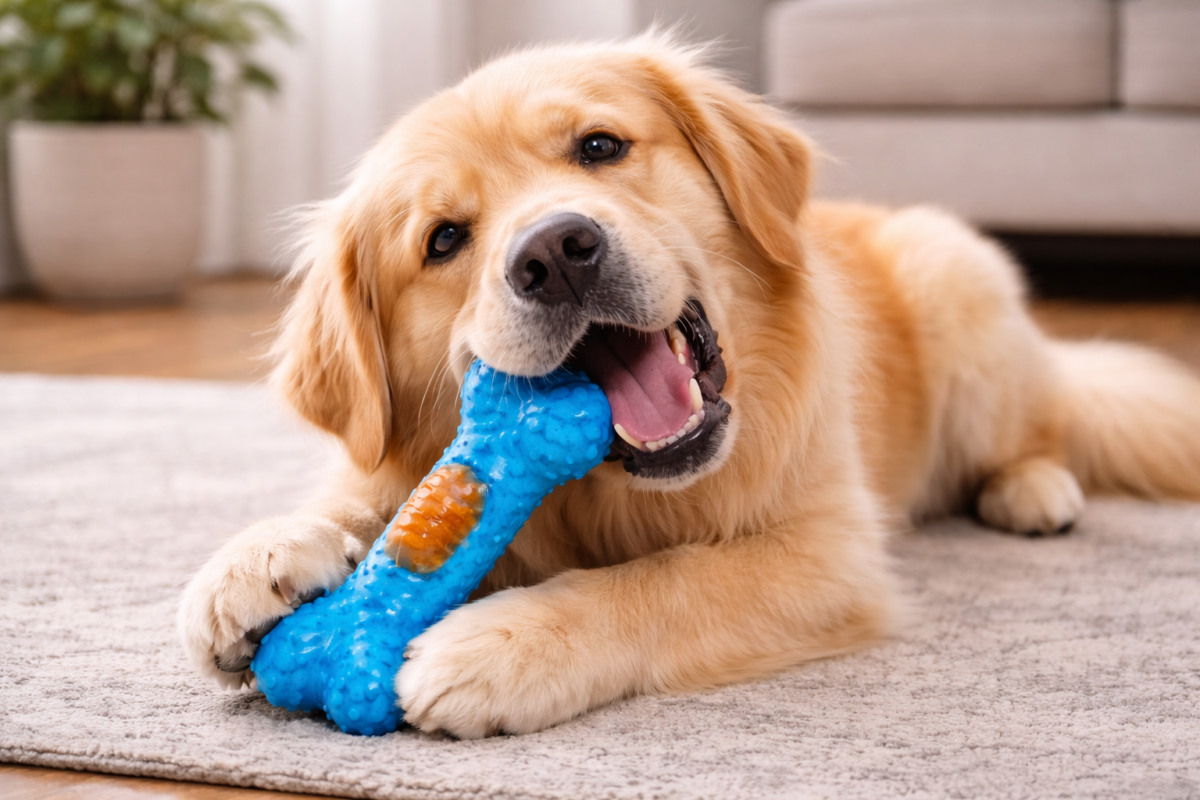
Not all toys are safe for every pet.
Choose toys that are:
- Size-appropriate
- Made from non-toxic materials
- Durable enough for your pet’s chewing strength
Inspect toys regularly and discard damaged ones immediately.
Creating a Pet Safety Routine
Owning safety products is only part of the solution. Use them consistently.
Daily habits to adopt:
- Check collars and harnesses for fit
- Inspect toys for damage
- Refresh water and food areas
- Monitor behavior for signs of discomfort
Routine checks prevent small issues from becoming serious problems.
Common Pet Safety Mistakes to Avoid
❌ Letting pets roam freely in cars
❌ Ignoring worn-out collars or leashes
❌ Skipping ID tags
❌ Leaving toxic items accessible
❌ Assuming indoor pets don’t need safety measures
Awareness is just as important as equipment.
How to Prioritize Pet Safety Products
If you’re starting from scratch, prioritize in this order:
- ID tags & microchip
- Collar or harness
- Car safety gear
- First aid kit
- Home safety barriers
You can build your safety setup gradually.


 Accessories & Others
 Apparel
 Beds & Furniture
 Cages & Accessories
 Carriers & Strollers
 Doors, Gates & Ramps
 Flea & Tick Control
 Grooming
 Litter & Housebreaking
 Memorials & Funerary
 Accessories & Others
 Apparel
 Beds & Furniture
 Cages & Accessories
 Carriers & Strollers
 Cat Doors,Steps, Nets.
 Collars, Harnesses & leashes
 Flea & Tick Control
 Grooming
 Cages& Accessories
 Cow Mastitis Detectors
 Ear Tags
 Aquarium Accessories
 Aquarium Cleaners
 Aquarium Decor
 Aquarium Lights
 Aquarium Pumps & Filter
 Aquariums & Fish Bowls
 Automatic Feeders