Clean and consistent water supply is essential for farm animal health, productivity, and overall performance. Whether you manage poultry, cattle, goats, sheep, or pigs, a reliable watering system directly impacts feed conversion, growth rate, milk production, and egg output.
Manual watering may work for very small farms, but modern livestock operations require efficient watering systems to save labor, reduce contamination, and ensure continuous hydration.
This complete guide explains different types of farm animal watering systems, their benefits, installation tips, and maintenance practices.
Why Proper Watering Systems Matter
Water is the most important nutrient for farm animals. Lack of clean water can lead to:
- Reduced feed intake
- Lower egg and milk production
- Slower growth rates
- Increased disease risk
- Heat stress
An efficient watering system ensures animals have constant access to clean, fresh water.
Types of Farm Animal Watering Systems
Different livestock species require different watering solutions. Below are the most common systems used in modern farms.
1. Nipple Drinking Systems (Poultry)
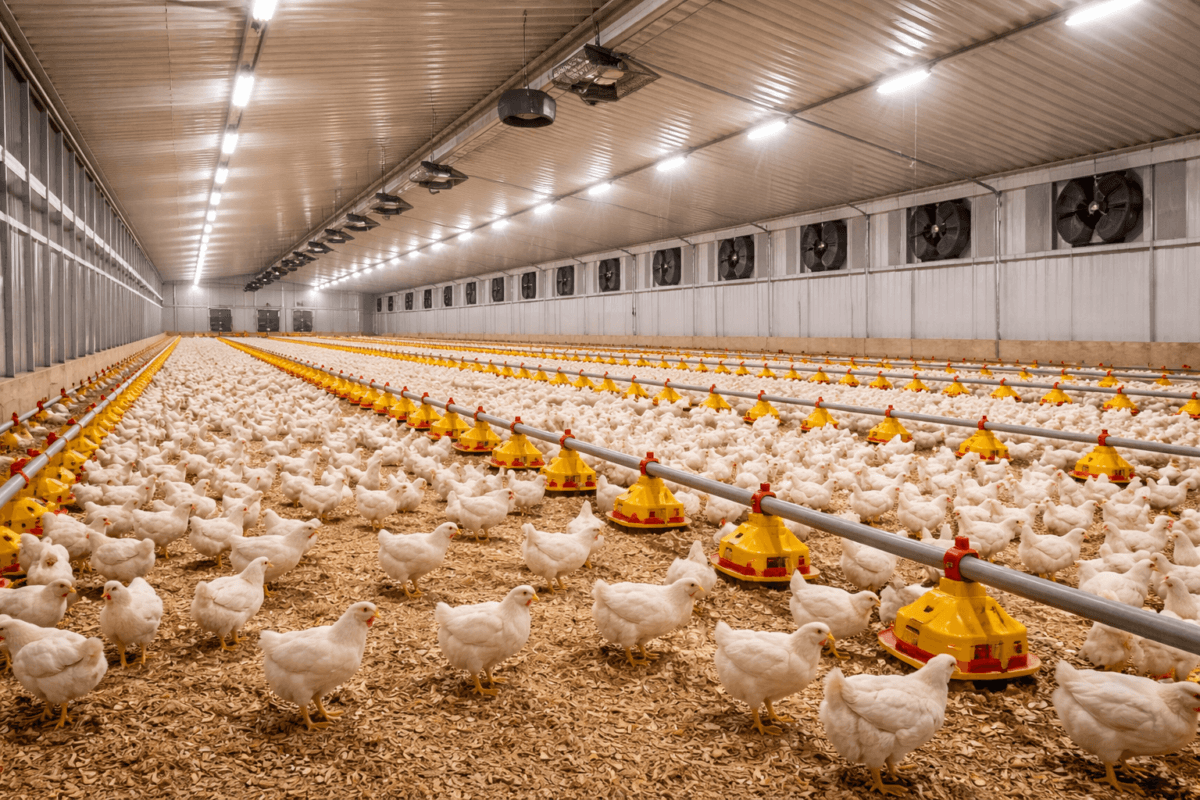
Nipple drinkers are widely used in poultry farms.
How It Works:
Chickens peck at a metal nipple valve that releases water directly into their beak.
Benefits:
- Reduces water waste
- Minimizes contamination
- Keeps litter dry
- Ideal for broilers and layers
This system improves hygiene and lowers disease risk.
2. Bell Drinkers (Poultry)
Bell drinkers are common in medium-scale poultry farms.
Benefits:
- Automatic refill
- Simple installation
- Affordable
- Suitable for broilers
They require regular cleaning to prevent contamination.
3. Automatic Water Troughs (Cattle & Goats)
Automatic trough systems are ideal for larger livestock such as cattle and goats.
Features:
- Float valve system
- Continuous refill
- Durable materials (plastic or galvanized steel)
Benefits:
- Saves labor
- Ensures constant supply
- Suitable for pasture and barn use
4. Cup & Bowl Waterers (Small Livestock)
Cup or bowl waterers are often used for pigs, sheep, and goats.
Benefits:
- Controlled water flow
- Less spillage
- Easy cleaning
- Durable design
Animals activate the bowl by pushing a valve.
5. Solar-Powered Water Pumps
Solar watering systems are ideal for remote farms without electricity.
Benefits:
- Energy-efficient
- Eco-friendly
- Suitable for pasture grazing areas
- Reduces operational costs
They are especially useful for cattle farms in remote locations.
Choosing the Right Watering System
Selecting the right system depends on several factors:
1. Animal Type
Poultry require nipple or bell systems, while cattle need troughs.
2. Farm Size
Large farms benefit from fully automated systems.
3. Climate
Hot climates require systems with high water flow capacity.
4. Budget
Balance initial investment with long-term savings.
5. Water Source
Consider well water, municipal supply, or rainwater harvesting.
Installation Tips
Proper installation ensures long-term efficiency.
For Poultry:
- Adjust height according to bird age
- Ensure even water pressure
- Avoid leaks
For Livestock:
- Install on level ground
- Protect pipes from freezing
- Ensure strong water pressure
Professional installation may be required for large farms.
Maintenance & Cleaning Practices
Clean water systems prevent disease outbreaks.
Daily Checks:
- Inspect leaks
- Remove debris
- Ensure water flow
Weekly Maintenance:
- Clean drinkers and troughs
- Flush water lines
- Disinfect when necessary
Regular maintenance extends system lifespan.
Preventing Common Watering Problems
1. Water Contamination
Use filters and clean regularly.
2. Pipe Blockages
Flush lines routinely.
3. Freezing in Winter
Use insulated pipes or heaters.
4. Algae Growth
Keep troughs shaded and clean.
Water Requirements by Animal Type
- Broiler chicken: 0.5–1 liter/day
- Layer chicken: 0.7–1 liter/day
- Dairy cow: 40–100 liters/day
- Goat: 4–10 liters/day
- Pig: 6–15 liters/day
Water needs increase in hot weather.
Benefits of Automated Watering Systems
Modern watering systems offer:
- Reduced labor costs
- Consistent hydration
- Improved productivity
- Better hygiene
- Lower water waste
- Scalable farm management
Automation enhances farm efficiency and profitability.
Biosecurity Considerations
Water is a major source of disease transmission if not managed properly.
- Sanitize systems regularly
- Prevent wildlife access
- Test water quality periodically
- Maintain clean storage tanks
Good water management improves animal health.
Final Thoughts
A reliable watering system is one of the most critical investments in livestock farming. Whether using nipple drinkers for poultry, trough systems for cattle, or solar-powered pumps for remote farms, choosing the right system ensures clean water access at all times.
Modern automated watering systems reduce labor, improve hygiene, and increase farm productivity. Proper installation and regular maintenance are key to long-term performance.
Providing fresh, clean water is not just about animal survival — it is about maximizing growth, production, and profitability.


 Accessories & Others
 Apparel
 Beds & Furniture
 Cages & Accessories
 Carriers & Strollers
 Doors, Gates & Ramps
 Flea & Tick Control
 Grooming
 Litter & Housebreaking
 Memorials & Funerary
 Accessories & Others
 Apparel
 Beds & Furniture
 Cages & Accessories
 Carriers & Strollers
 Cat Doors,Steps, Nets.
 Collars, Harnesses & leashes
 Flea & Tick Control
 Grooming
 Cages& Accessories
 Cow Mastitis Detectors
 Ear Tags
 Aquarium Accessories
 Aquarium Cleaners
 Aquarium Decor
 Aquarium Lights
 Aquarium Pumps & Filter
 Aquariums & Fish Bowls
 Automatic Feeders