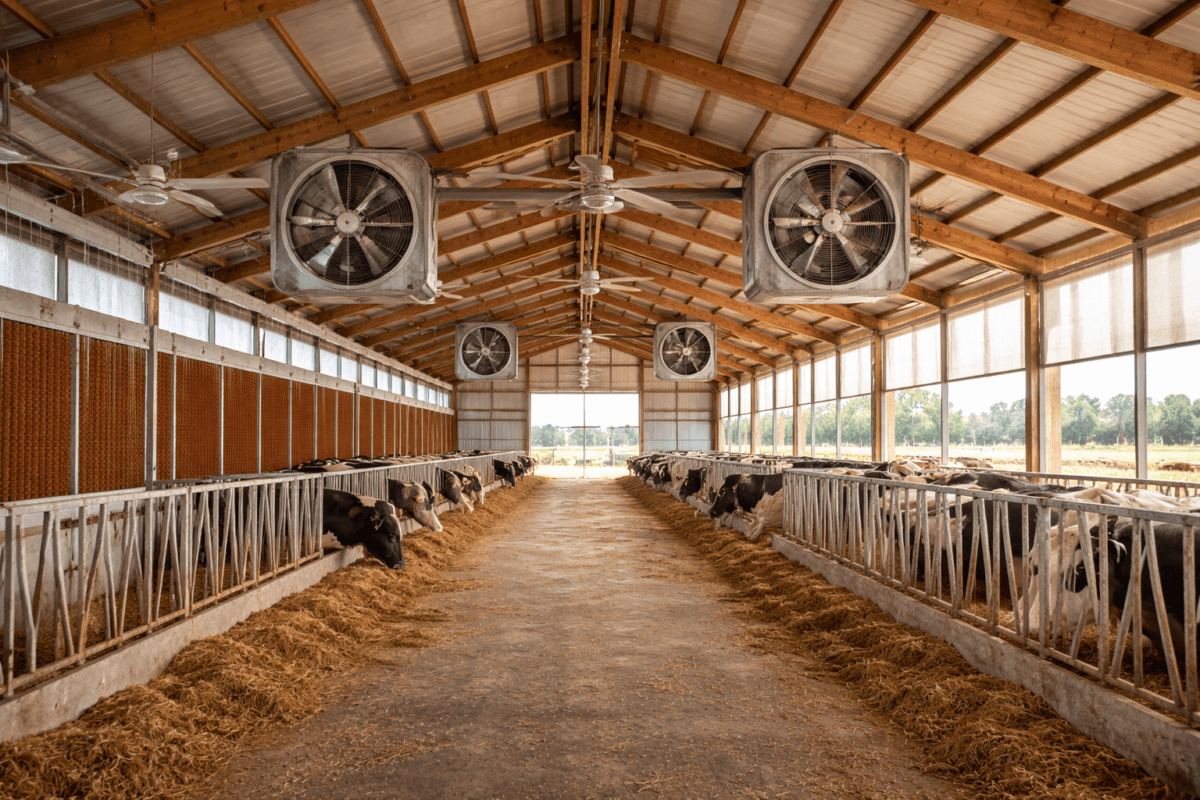
Biosecurity is one of the most important aspects of modern farming. Whether you manage poultry, cattle, goats, pigs, or mixed livestock, disease prevention should always be a top priority. A single outbreak can lead to significant financial loss, reduced productivity, and long-term damage to farm reputation.
Farm biosecurity involves practices and equipment designed to prevent the introduction and spread of diseases. Investing in the right biosecurity accessories is essential for maintaining livestock health, improving productivity, and ensuring long-term farm sustainability.
This comprehensive checklist outlines the essential farm biosecurity accessories every livestock operation should have.
Why Biosecurity Matters
Strong biosecurity systems help to:
- Prevent disease outbreaks
- Reduce mortality rates
- Improve productivity
- Lower veterinary costs
- Maintain product quality
- Meet regulatory standards
Prevention is always more cost-effective than treatment.
1. Footbaths & Boot Dip Stations
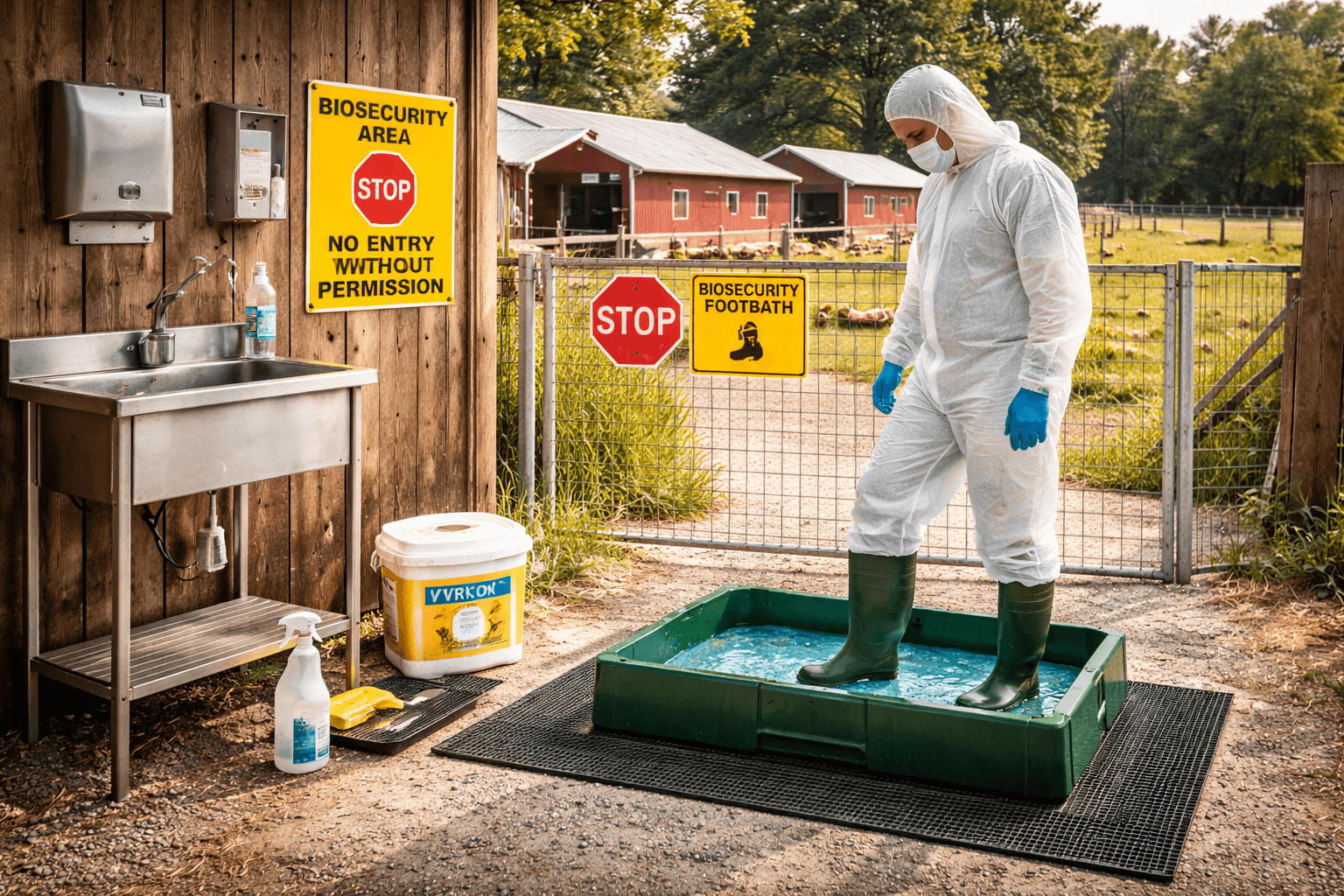
Footbaths are one of the simplest and most effective biosecurity tools.
Purpose:
Disinfect footwear before entering livestock areas.
Best Practices:
- Place at all entry points
- Change disinfectant regularly
- Use clearly marked signs
Footwear can carry bacteria, viruses, and parasites into animal housing.
2. Protective Clothing & Disposable Gear
Protective clothing limits cross-contamination.
Essential Items:
- Coveralls
- Gloves
- Rubber boots
- Hair covers
- Face masks
Visitors should wear disposable protective gear when entering livestock areas.
3. Handwashing & Sanitizing Stations
Proper hand hygiene reduces pathogen spread.
Key Features:
- Soap and clean water
- Alcohol-based sanitizer
- Disposable towels
Install stations near animal housing and feed areas.
4. Vehicle Disinfection Systems
Vehicles can introduce disease onto farms.
Solutions:
- Tire dip mats
- Spray disinfection systems
- Designated parking areas
Restrict vehicle access near livestock housing.
5. Controlled Entry Points & Gates
Limiting access reduces risk.
Recommendations:
- Secure perimeter fencing
- Clear biosecurity signage
- Visitor logbooks
Controlled entry prevents unnecessary exposure.
6. Feed & Water Protection Equipment
Contaminated feed and water are major disease sources.
Accessories Include:
- Rodent-proof feed containers
- Covered water troughs
- Water filtration systems
Protecting feed and water ensures animal safety.
7. Pest & Rodent Control Systems
Rodents, insects, and wild birds can spread disease.
Essential Tools:
- Rodent traps
- Insect control units
- Netting for poultry houses
- Sealed feed storage
Integrated pest management strengthens biosecurity.
8. Cleaning & Disinfection Equipment
Regular cleaning prevents pathogen buildup.
Important Equipment:
- Pressure washers
- Backpack sprayers
- Approved disinfectants
- Waste disposal bins
Sanitation routines should be scheduled and documented.
9. Quarantine Areas & Isolation Pens
New or sick animals should be isolated.
Key Features:
- Separate housing area
- Dedicated equipment
- Limited access
Quarantine reduces disease transmission risk.
10. Monitoring & Record-Keeping Tools
Tracking animal health helps early detection.
Useful Tools:
- Health logbooks
- Temperature sensors
- Mortality tracking systems
- Visitor records
Accurate documentation supports effective management.
Biosecurity Checklist Summary
Here’s a quick checklist for farm owners:
- Footbaths at entry points
- Protective clothing & disposable gear
- Handwashing stations
- Vehicle disinfection setup
- Secure perimeter fencing
- Rodent-proof feed storage
- Pest control equipment
- Cleaning & disinfecting tools
- Quarantine pens
- Health monitoring system
Implementing all these components creates a strong defense system.
Common Biosecurity Mistakes
- Inconsistent disinfectant replacement
- Allowing unrestricted visitor access
- Sharing equipment between barns
- Ignoring pest control
- Skipping quarantine procedures
Consistency is key to effective biosecurity.
Seasonal Biosecurity Adjustments
Different seasons bring different risks.
Winter:
- Monitor ventilation
- Prevent overcrowding
Summer:
- Increase fly control
- Monitor water quality
Adjust biosecurity plans accordingly.
Economic Benefits of Strong Biosecurity
Investing in biosecurity accessories results in:
- Lower disease treatment costs
- Reduced mortality
- Higher production efficiency
- Better product quality
- Long-term farm sustainability
Preventative measures protect your farm’s profitability.
Final Thoughts
Farm biosecurity is not optional — it is essential. By implementing the right accessories and maintaining strict hygiene protocols, farmers can significantly reduce disease risks and protect their livestock investments.
From footbaths and protective clothing to vehicle disinfection systems and quarantine pens, every accessory plays a critical role in preventing outbreaks.
A well-planned biosecurity strategy ensures healthy animals, stable production, and long-term farm success.


 Accessories & Others
 Apparel
 Beds & Furniture
 Cages & Accessories
 Carriers & Strollers
 Doors, Gates & Ramps
 Flea & Tick Control
 Grooming
 Litter & Housebreaking
 Memorials & Funerary
 Accessories & Others
 Apparel
 Beds & Furniture
 Cages & Accessories
 Carriers & Strollers
 Cat Doors,Steps, Nets.
 Collars, Harnesses & leashes
 Flea & Tick Control
 Grooming
 Cages& Accessories
 Cow Mastitis Detectors
 Ear Tags
 Aquarium Accessories
 Aquarium Cleaners
 Aquarium Decor
 Aquarium Lights
 Aquarium Pumps & Filter
 Aquariums & Fish Bowls
 Automatic Feeders