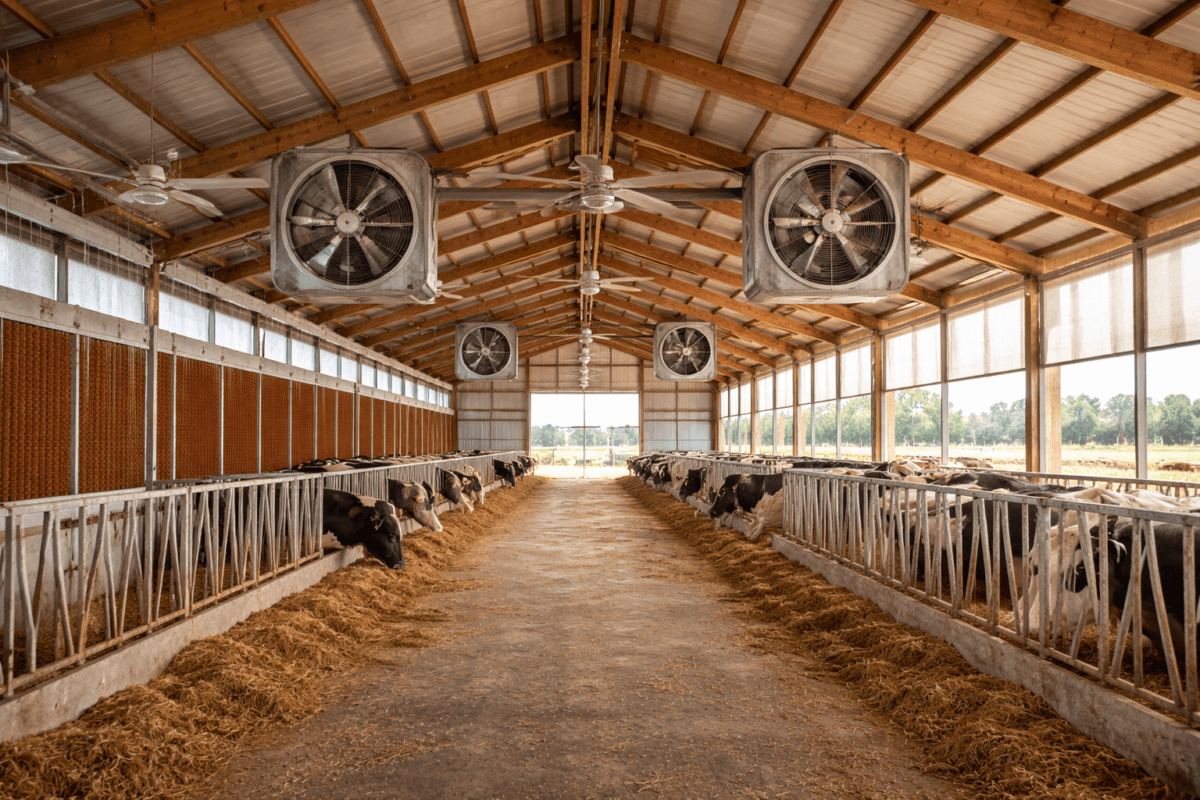
Lighting plays a crucial role in modern farming. Whether you operate a poultry farm, dairy barn, goat shed, piggery, or mixed livestock facility, proper lighting directly impacts animal health, reproduction, feed efficiency, and overall productivity.
Many farmers focus on feed and ventilation but overlook lighting management. However, controlled lighting systems can significantly increase egg production, improve milk yield, enhance growth rates, and support animal welfare.
In this comprehensive guide, we explore the best farm lighting solutions, types of lighting systems, optimal lighting schedules, installation tips, and energy-efficient options.
Why Farm Lighting Matters
Light influences animal behavior and biological rhythms. Proper lighting helps to:
- Regulate feeding cycles
- Improve egg production
- Enhance milk yield
- Support reproductive cycles
- Reduce stress
- Improve worker visibility and safety
Lighting is not just about brightness — it is about timing, intensity, and consistency.
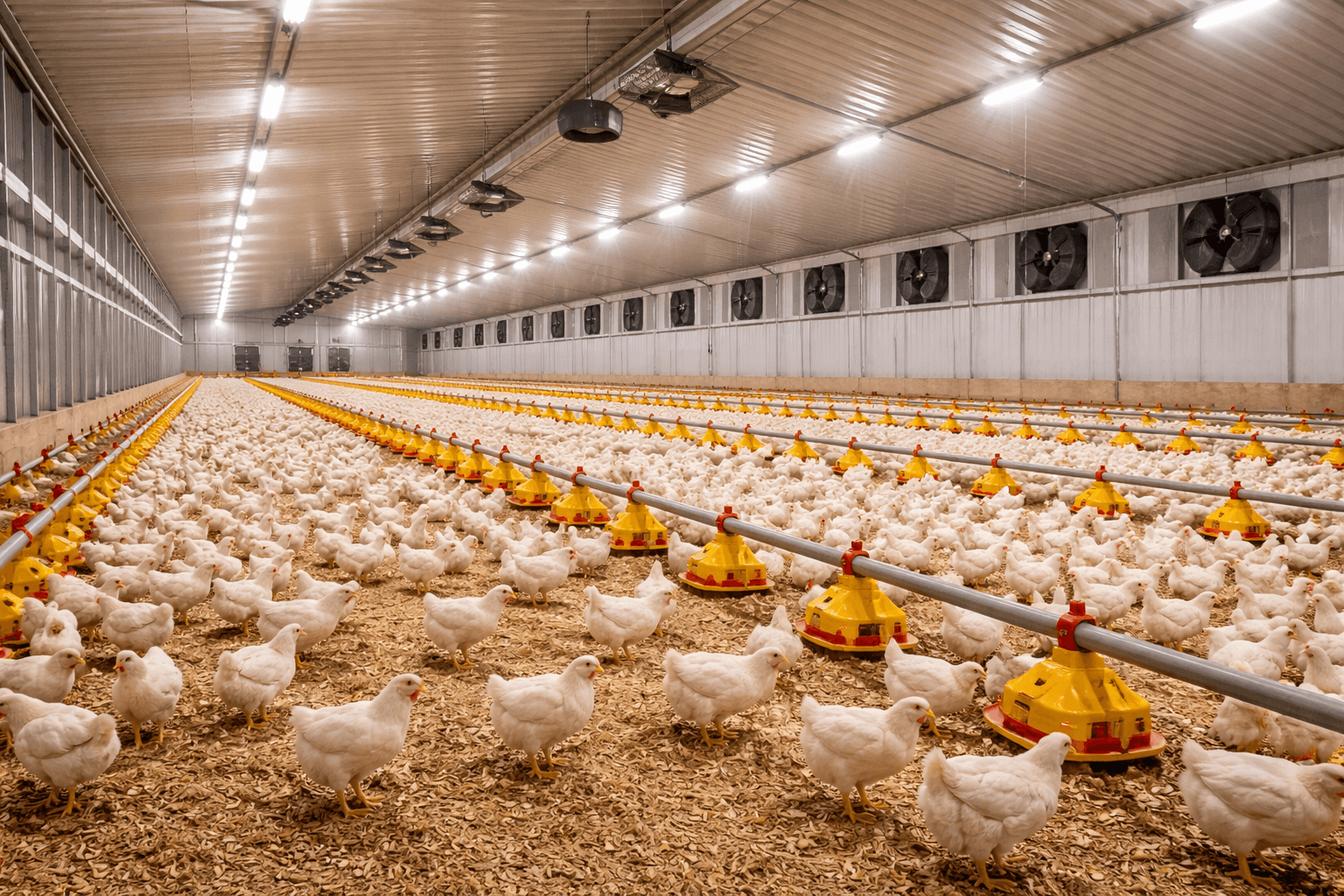
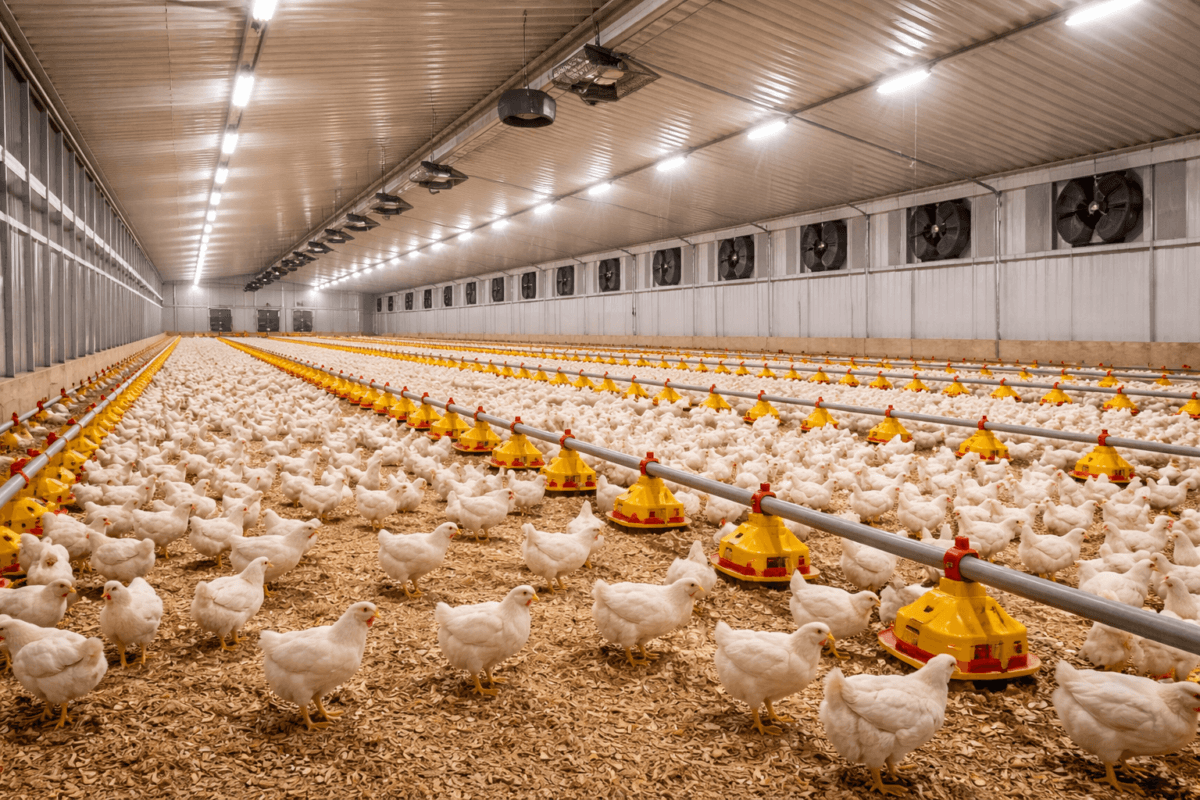
Farm Lighting for Poultry Productivity
Poultry are highly sensitive to light cycles. Controlled lighting improves laying performance and growth rates.
Benefits of Proper Poultry Lighting:
- Stimulates egg production
- Improves feed conversion
- Controls bird activity
- Reduces aggressive behavior
Layer hens typically require 14–16 hours of light daily to maintain optimal egg production.
Types of Farm Lighting Systems
Choosing the right lighting solution depends on farm size, animal type, and budget.
1. LED Lighting Systems
LED lighting is the most popular modern solution.
Benefits:
- Energy-efficient
- Long lifespan
- Low heat emission
- Adjustable brightness
LED systems reduce electricity costs while maintaining optimal lighting conditions.
2. Fluorescent Lighting
Fluorescent lights are commonly used in older farm setups.
Advantages:
- Affordable
- Provides even light distribution
However, they consume more energy compared to LEDs.
3. High-Intensity Discharge (HID) Lighting
HID lighting is used in large barns and warehouses.
Benefits:
- Bright illumination
- Suitable for large open sheds
They are more common in industrial farm facilities.
4. Solar-Powered Farm Lighting
Solar lighting is ideal for remote farms.
Benefits:
- Reduces electricity costs
- Environmentally friendly
- Suitable for outdoor sheds
Solar systems work well when combined with LED technology.
Lighting Intensity Guidelines
Proper intensity is critical.
Poultry:
- 5–20 lux depending on stage
- Dimmable systems recommended
Dairy Cattle:
- 150–200 lux in feeding areas
- Lower intensity during resting periods
Goats & Sheep:
- Moderate lighting for feeding and movement
Too much brightness can cause stress, while too little reduces productivity.
Importance of Lighting Schedules
Lighting should follow a consistent schedule.
Poultry Lighting Schedule:
- Gradually increase light duration
- Maintain consistent timing
- Avoid sudden changes
Dairy Farms:
- Extended lighting improves milk production
- Use automated timers
Controlled light cycles regulate hormonal responses in animals.
Automated Lighting Systems
Modern farms use automated lighting controllers.
Features:
- Programmable timers
- Dimming control
- Sunrise and sunset simulation
- Remote monitoring
Automation improves consistency and reduces labor.
Installation Tips for Farm Lighting
Proper installation ensures efficiency.
1. Even Distribution
Avoid dark spots.
2. Moisture Protection
Use waterproof fixtures in humid sheds.
3. Secure Wiring
Protect cables from animals.
4. Use Protective Covers
Prevent dust accumulation.
Professional installation is recommended for large facilities.
Maintenance & Cleaning
Dust and dirt reduce lighting efficiency.
Weekly:
Monthly:
- Inspect wiring
- Replace damaged bulbs
Seasonal:
Regular maintenance maintains performance.
Energy Efficiency Considerations
Switching to LED lighting can:
- Reduce energy costs by up to 50%
- Lower heat production
- Extend bulb lifespan
Combining solar power with LED systems further improves sustainability.
Common Lighting Mistakes
- Inconsistent light schedules
- Using outdated bulbs
- Ignoring dimming needs
- Poor fixture placement
- Lack of maintenance
Avoiding these mistakes improves animal performance.
Benefits of Proper Farm Lighting
Effective lighting systems provide:
- Higher egg production
- Improved milk yield
- Better feed efficiency
- Enhanced animal welfare
- Reduced stress
- Improved worker safety
Lighting is a direct investment in farm productivity.
Cost vs Long-Term Savings
While upgrading lighting systems requires initial investment, long-term savings include:
- Reduced energy bills
- Lower maintenance costs
- Improved production output
Modern lighting solutions pay for themselves over time.
Future Trends in Farm Lighting
Emerging technologies include:
- Smart lighting with IoT integration
- Automated daylight sensors
- Color-spectrum optimized lighting
- Energy storage integration
Advanced lighting improves efficiency and animal performance.
Final Thoughts
Farm lighting solutions are essential for maintaining livestock productivity and animal welfare. Whether using LED systems, solar-powered lights, or automated lighting controls, proper illumination enhances feed intake, reproductive performance, and overall growth.
By implementing consistent lighting schedules, ensuring correct intensity, and maintaining equipment regularly, farmers can maximize productivity while reducing operational costs.
Lighting is not just an accessory — it is a key component of modern farm management.


 Accessories & Others
 Apparel
 Beds & Furniture
 Cages & Accessories
 Carriers & Strollers
 Doors, Gates & Ramps
 Flea & Tick Control
 Grooming
 Litter & Housebreaking
 Memorials & Funerary
 Accessories & Others
 Apparel
 Beds & Furniture
 Cages & Accessories
 Carriers & Strollers
 Cat Doors,Steps, Nets.
 Collars, Harnesses & leashes
 Flea & Tick Control
 Grooming
 Cages& Accessories
 Cow Mastitis Detectors
 Ear Tags
 Aquarium Accessories
 Aquarium Cleaners
 Aquarium Decor
 Aquarium Lights
 Aquarium Pumps & Filter
 Aquariums & Fish Bowls
 Automatic Feeders