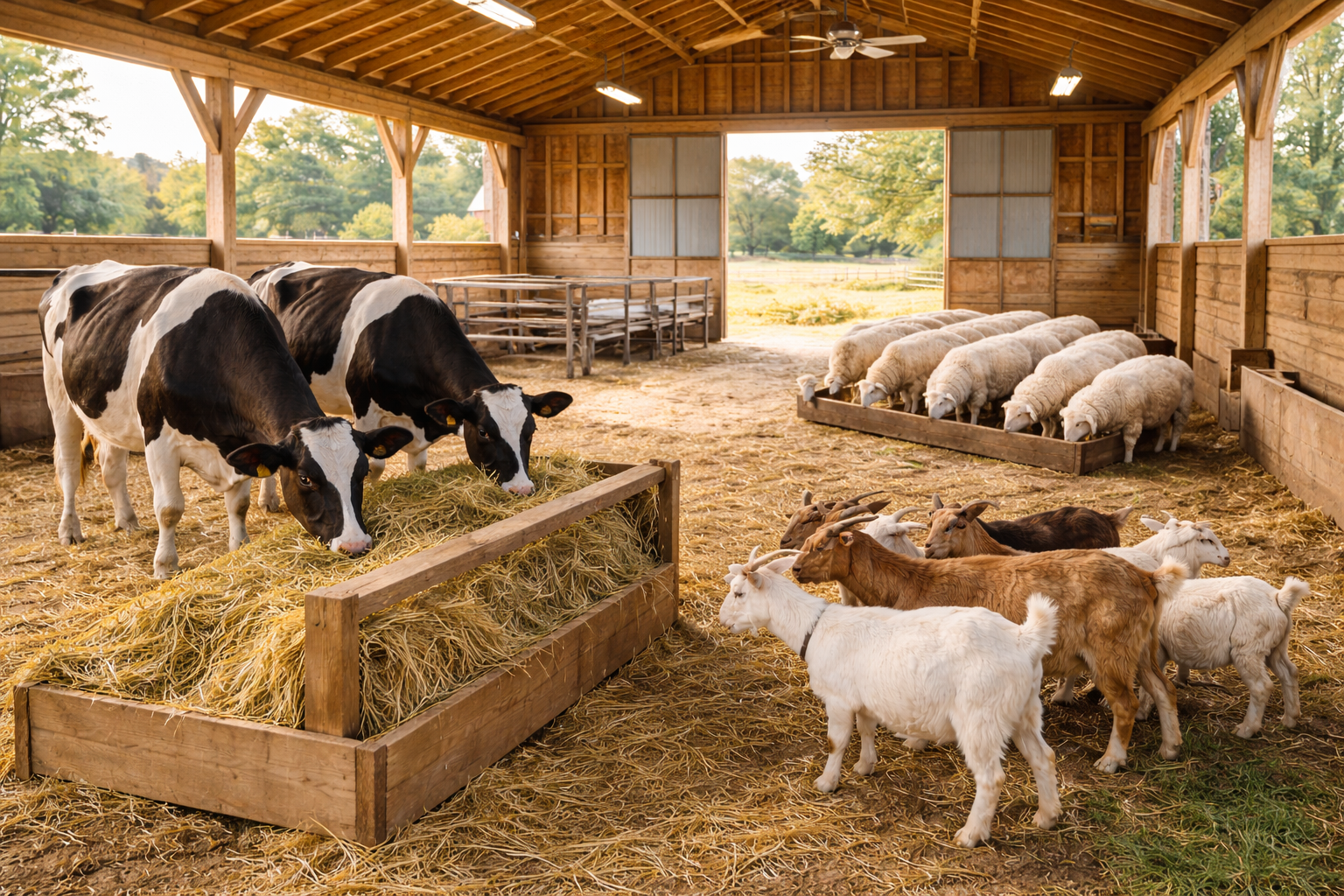
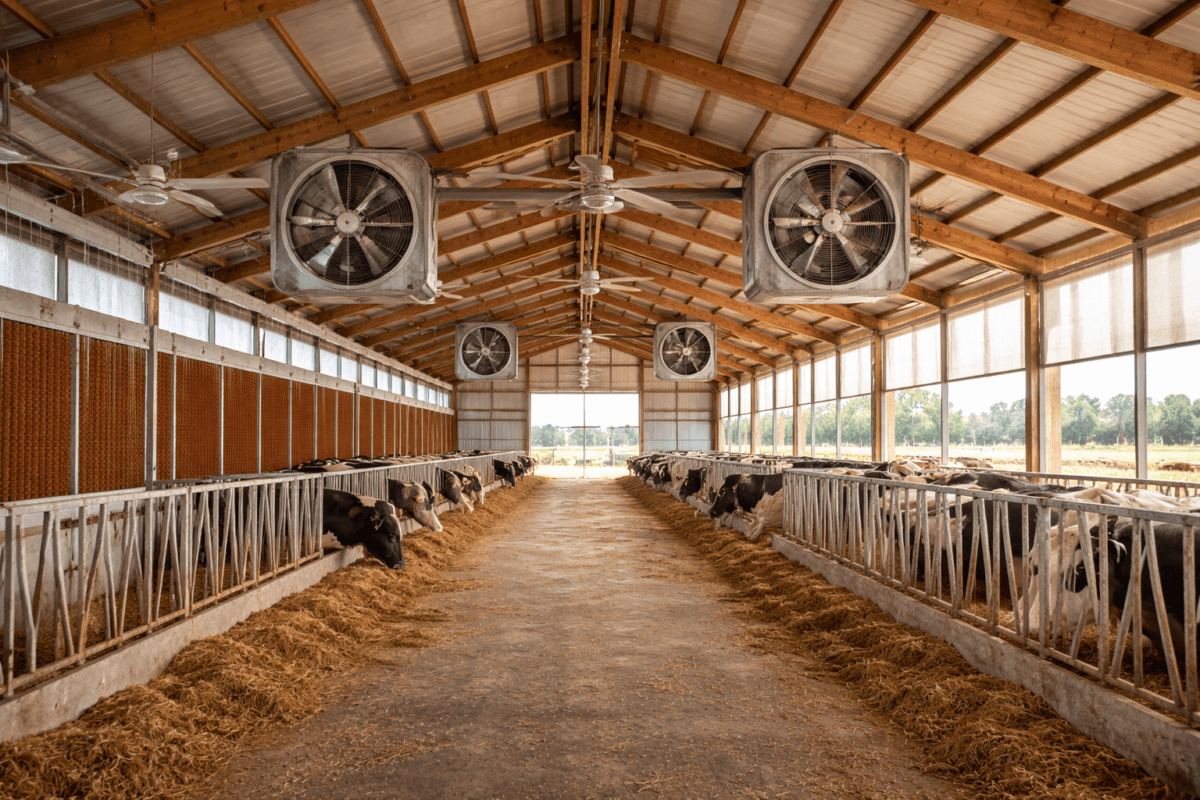
A clean and safe shelter is one of the most important foundations of good farm animal care. Proper housing protects animals from extreme weather, predators, and disease while also reducing stress and improving productivity. Whether you raise cows, goats, sheep, or mixed livestock, well-designed shelters directly impact animal health, farm efficiency, and long-term sustainability.
In this guide, we’ll walk through how to build a clean and safe shelter for farm animals, covering essential design principles, hygiene practices, and practical tips that work for farms of all sizes.
1. Choose the Right Location
The first step in building a good shelter is selecting the right site.
Key Location Factors:
- Dry, elevated ground: Prevents flooding and moisture buildup
- Good drainage: Water should flow away from the shelter
- Protection from wind: Natural windbreaks like trees or hills are helpful
- Easy access: Convenient for feeding, cleaning, and monitoring animals
A poorly chosen location can lead to constant dampness, odors, and disease problems.
2. Design for Proper Space and Comfort
Overcrowding is a major cause of stress and disease in farm animals.
Space Guidelines:
- Animals should be able to stand, lie down, and move freely
- Separate areas for feeding, resting, and waste reduce contamination
- Extra space is needed for pregnant, sick, or young animals
Adequate space improves airflow, reduces aggression, and promotes overall comfort.
3. Ensure Good Ventilation and Airflow
Fresh air is essential for respiratory health.
Ventilation Tips:
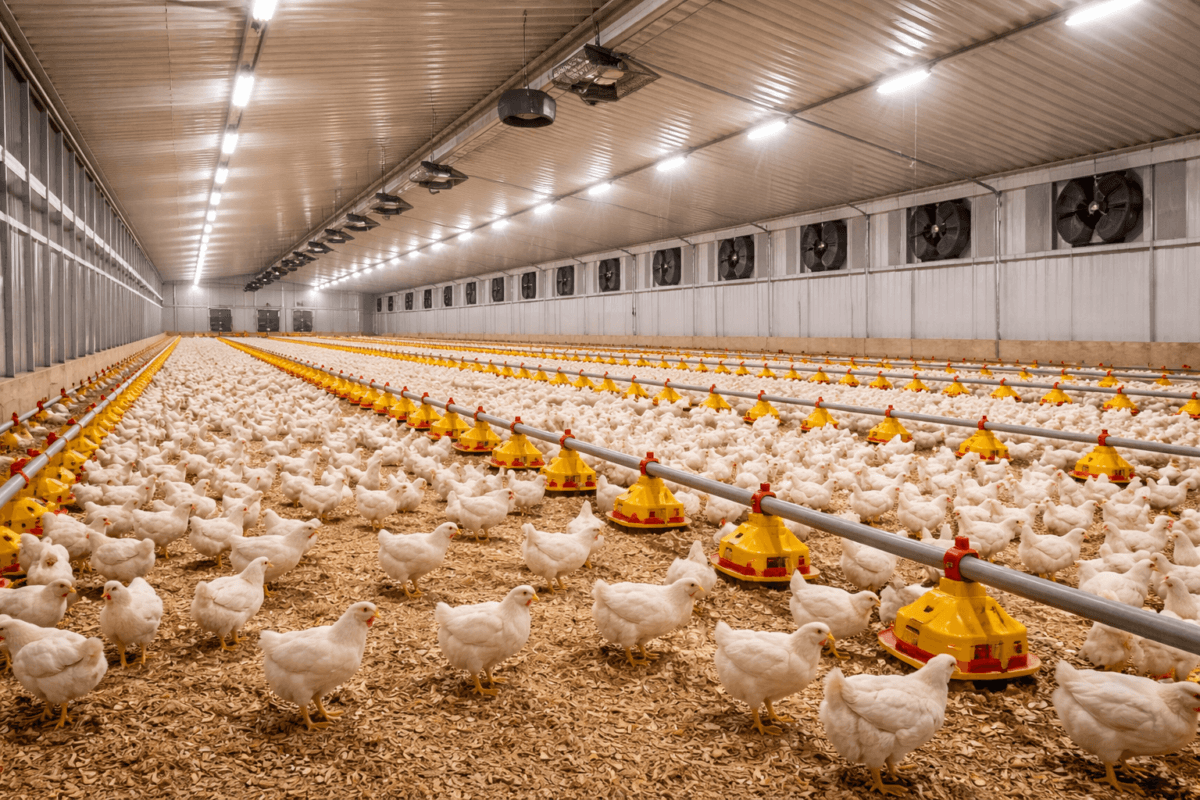
- Use open sides, windows, or vents near the roof
- Avoid completely sealed buildings
- Allow warm, moist air to escape from the top
- Prevent direct drafts at animal level
Proper ventilation removes moisture, ammonia, and harmful gases without chilling animals.
4. Build Strong, Weather-Proof Structures
A shelter must protect animals year-round.
Structural Essentials:
- Strong roofing: Prevents leaks and heat buildup
- Durable walls: Shield animals from wind, rain, and predators
- Smooth surfaces: Reduce injury risk and simplify cleaning
Materials should be sturdy, non-toxic, and easy to maintain.
5. Focus on Flooring and Drainage
Flooring plays a major role in cleanliness and hoof health.
Flooring Options:
- Concrete with proper slope for drainage
- Compacted dirt with bedding
- Rubber mats for comfort and traction
Best Practices:
- Slightly sloped floors prevent standing water
- Avoid slippery surfaces
- Regularly remove manure and wet bedding
Dry floors reduce bacterial growth and hoof-related diseases.
6. Maintain Clean Bedding and Hygiene
Clean bedding is essential for animal comfort and disease prevention.
Bedding Tips:
- Use straw, wood shavings, or other absorbent materials
- Replace wet bedding daily or as needed
- Deep-clean shelters periodically
Clean environments reduce parasite loads, mastitis risk, and respiratory issues.
7. Design Safe Feeding and Watering Areas
Feeding areas should support hygiene and prevent waste.
Feeding Safety Tips:
- Elevate feeders to reduce contamination
- Keep water sources clean and easily accessible
- Separate feeding areas from resting zones
Proper placement minimizes manure contamination and reduces disease spread.
8. Provide Seasonal Protection
Shelters should adapt to changing weather conditions.
Summer Protection:
- Shade and ventilation to prevent heat stress
- Light-colored roofing to reflect heat
Winter Protection:
- Wind barriers and insulation
- Dry bedding to maintain body warmth
- Avoid moisture buildup inside shelters
Seasonal adaptability keeps animals comfortable year-round.
9. Include Biosecurity and Safety Measures
Shelters should support disease prevention.
Biosecurity Essentials:
- Designated isolation areas for sick animals
- Easy-to-clean surfaces
- Controlled access points to limit contamination
Good biosecurity protects the entire herd or flock.
10. Inspect and Maintain Shelters Regularly
Even well-built shelters require upkeep.
Routine Maintenance:
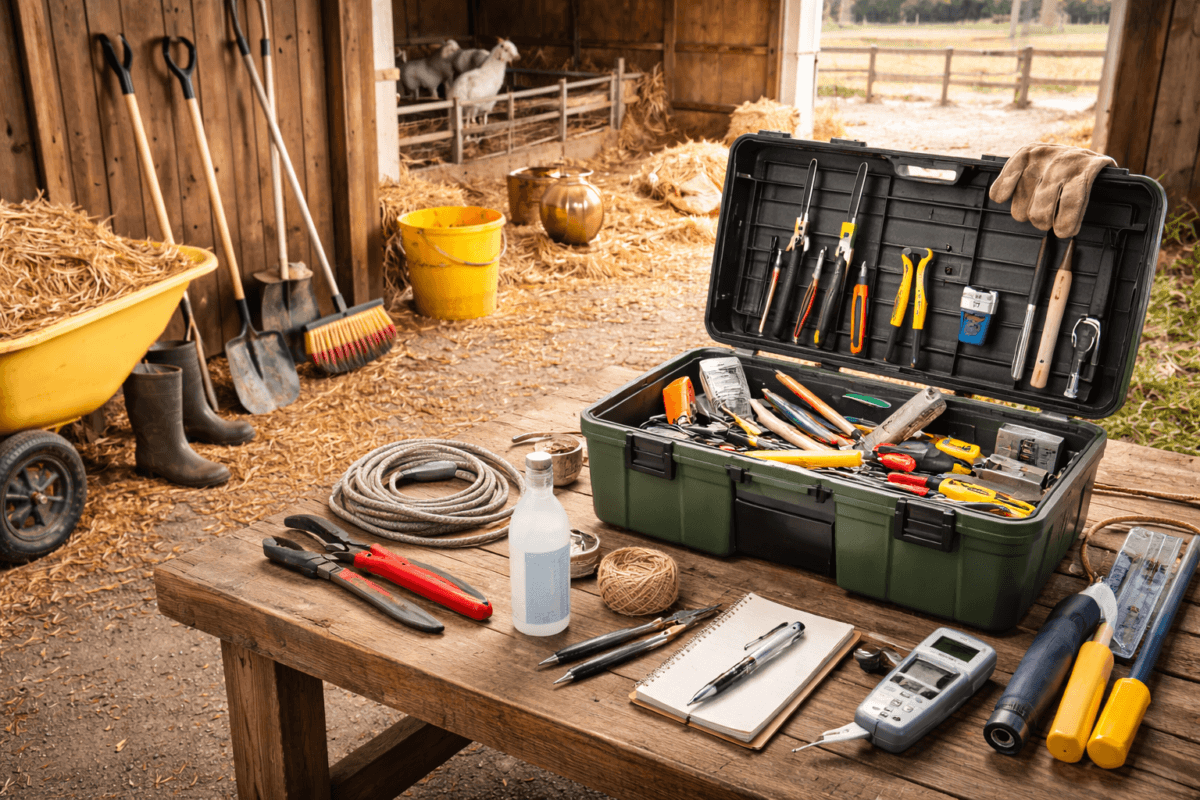
- Check for sharp edges or broken parts
- Repair leaks or damaged fencing
- Monitor cleanliness daily
- Improve ventilation if odors persist
Regular inspections prevent small issues from becoming serious problems.
Final Thoughts
Building a clean and safe shelter for farm animals is an investment in their health, comfort, and productivity. Thoughtful design, proper ventilation, good drainage, clean bedding, and regular maintenance create an environment where animals can thrive. A well-managed shelter reduces stress, lowers disease risk, and makes daily farm operations smoother and more efficient.
When animals feel safe and comfortable, they perform better—and a healthy shelter is the backbone of a healthy farm. 🐄🐐🐑


 Accessories & Others
 Apparel
 Beds & Furniture
 Cages & Accessories
 Carriers & Strollers
 Doors, Gates & Ramps
 Flea & Tick Control
 Grooming
 Litter & Housebreaking
 Memorials & Funerary
 Accessories & Others
 Apparel
 Beds & Furniture
 Cages & Accessories
 Carriers & Strollers
 Cat Doors,Steps, Nets.
 Collars, Harnesses & leashes
 Flea & Tick Control
 Grooming
 Cages& Accessories
 Cow Mastitis Detectors
 Ear Tags
 Aquarium Accessories
 Aquarium Cleaners
 Aquarium Decor
 Aquarium Lights
 Aquarium Pumps & Filter
 Aquariums & Fish Bowls
 Automatic Feeders