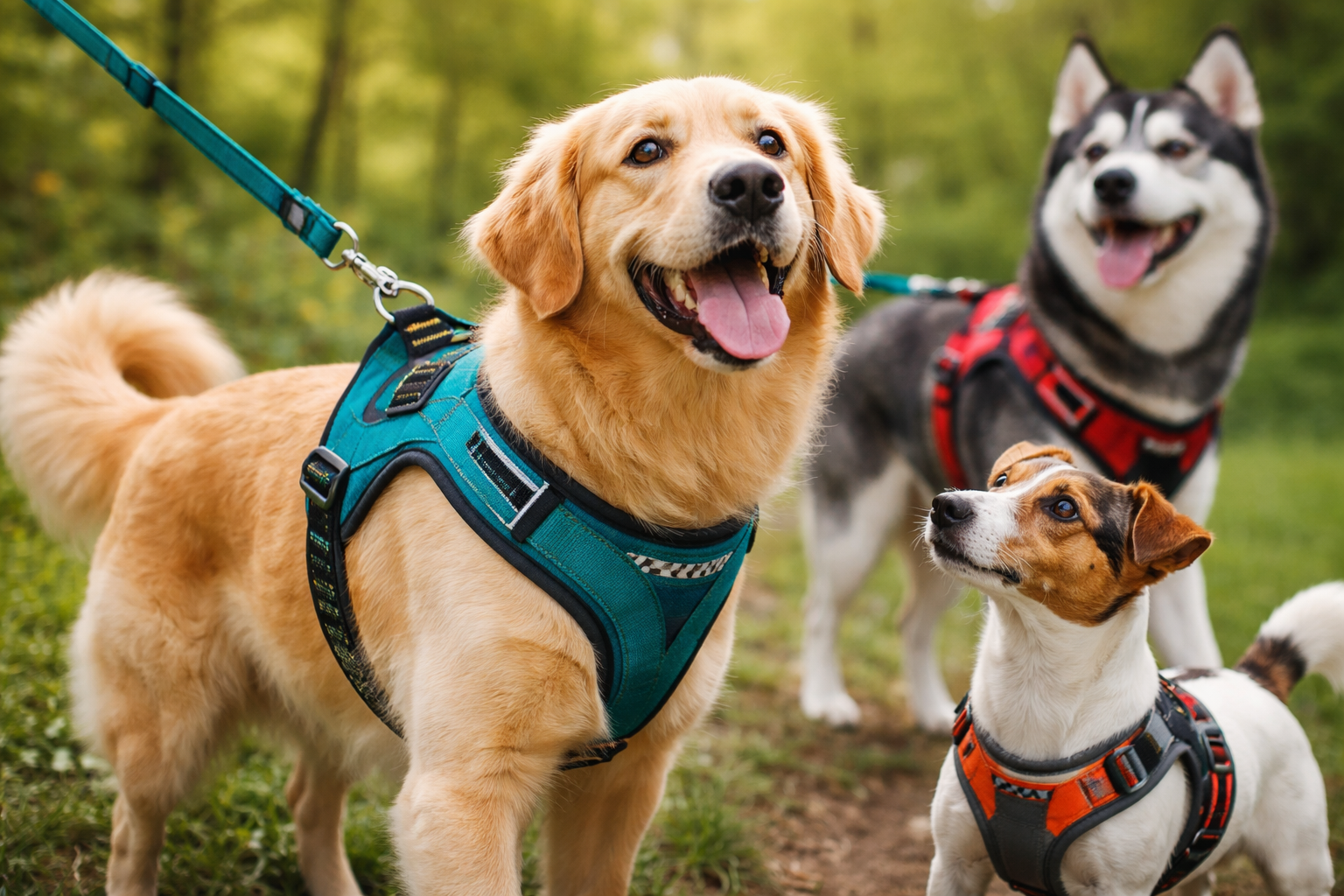
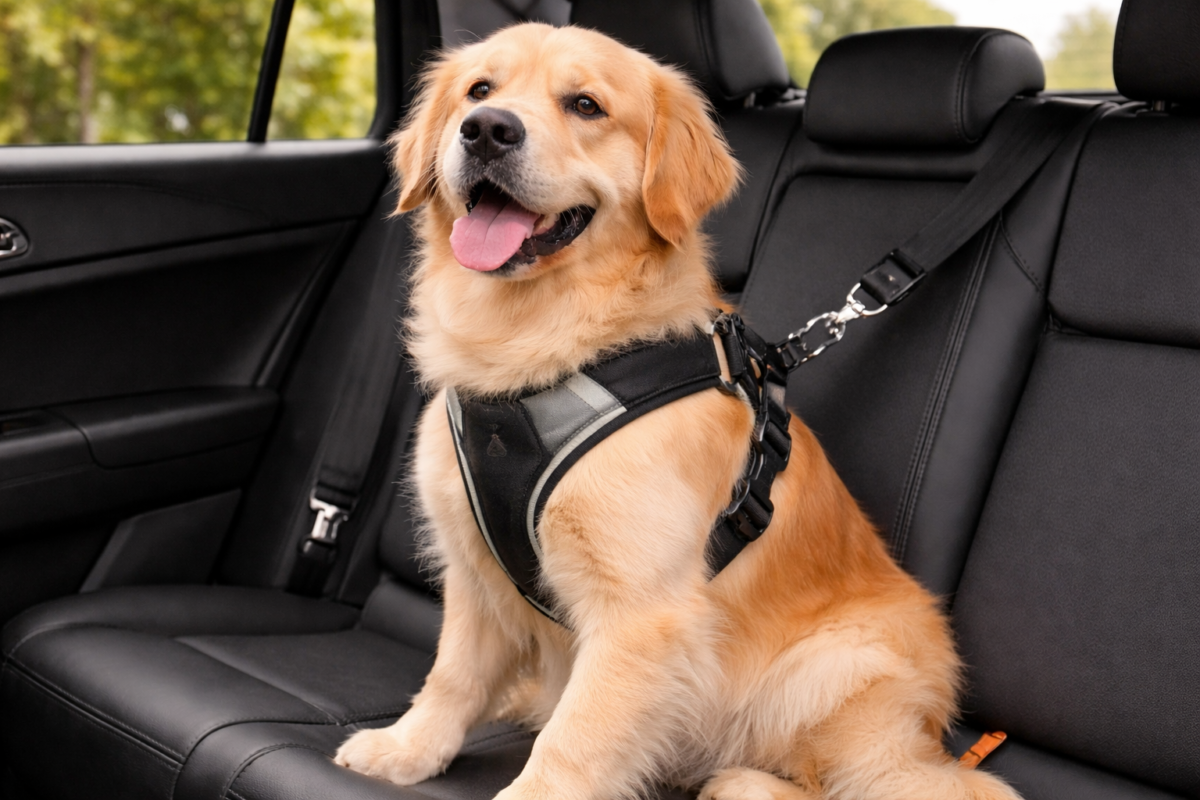
Choosing the perfect harness for your dog is more than just picking a stylish accessory. A well-fitted harness improves comfort, ensures safety, and gives you better control during walks, training, or outdoor adventures. With so many options available, it can feel overwhelming to decide which one is right for your furry friend.
In this complete buying guide, we’ll walk you through everything you need to know—from different harness types to sizing, materials, and safety considerations—so you can make the best choice for your dog.
Why Choose a Harness Instead of a Collar?
Before diving into the buying process, it’s important to understand why many pet owners prefer harnesses over traditional collars.
1. Better Control
Harnesses distribute pressure across your dog’s chest and shoulders rather than the neck. This gives you improved control, especially for strong pullers.
2. Reduced Neck Strain
Dogs that pull on collars can experience throat and neck strain. A harness minimizes the risk of injury, particularly for small breeds and brachycephalic (short-nosed) dogs.
3. Improved Training Support
Certain harness types are designed to discourage pulling and help reinforce positive walking behavior.
Types of Dog Harnesses
Not all harnesses are created equal. Understanding the different types will help you match the right style to your dog’s needs.
1. Back-Clip Harness
The leash attaches to a ring on the back.
Best for: Small dogs, calm walkers, and everyday use.
Pros: Easy to put on, comfortable.
Cons: Not ideal for dogs that pull heavily.
2. Front-Clip Harness
The leash attaches at the chest.
Best for: Dogs that pull during walks.
Pros: Helps redirect pulling behavior.
Cons: Can tangle if not adjusted properly.
3. Dual-Clip Harness
Features both front and back leash attachment points.
Best for: Versatile use and training.
Pros: Maximum control and flexibility.
Cons: Slightly more complex design.
4. Step-In Harness
Your dog steps into the harness, and it fastens on top.
Best for: Dogs that dislike overhead harnesses.
Pros: Easy to wear.
Cons: Less secure for escape artists.
5. No-Pull Harness
Designed specifically to reduce pulling.
Best for: Strong, energetic dogs.
Pros: Encourages better leash behavior.
Cons: Requires correct fitting to work effectively.
How to Measure Your Dog Correctly
A perfect harness starts with accurate measurements. Even the best design won’t work if it doesn’t fit properly.
Step 1: Measure the Chest (Girth)
Wrap a measuring tape around the widest part of your dog’s chest, just behind the front legs.
Step 2: Measure the Neck
Measure around the base of the neck where the harness will sit.
Step 3: Check the Weight Range
Many harnesses also provide recommended weight ranges. Use this as a secondary reference.
Pro Tip: You should be able to fit two fingers between the harness and your dog’s body. Too tight causes discomfort; too loose increases escape risk.
Choosing the Right Material
The material affects comfort, durability, and performance.
1. Nylon
Lightweight and affordable. Ideal for everyday walking.
2. Mesh
Breathable and comfortable, perfect for warm climates.
3. Leather
Durable and stylish, but requires maintenance.
4. Padded Harnesses
Extra cushioning for added comfort, especially for long walks.
If you live in a humid or hot area, breathable mesh designs can prevent overheating. For active dogs, reinforced stitching and durable fabric are essential.
Consider Your Dog’s Lifestyle
Your dog’s personality and daily routine play a big role in choosing the right harness.
For Active Dogs
Look for:
- Durable material
- Strong buckles
- Reflective strips for nighttime visibility
For Small or Senior Dogs
Choose:
- Lightweight design
- Soft padding
- Easy-to-wear style
For Puppies
Pick:
- Adjustable straps
- Soft edges
- Room for growth
Safety Features to Look For
Safety should always be a priority.
Reflective Strips
Ideal for evening or early morning walks.
Secure Buckles
High-quality plastic or metal buckles reduce the risk of breakage.
Strong D-Rings
Ensure the leash attachment ring is sturdy and well-stitched.
Escape-Proof Design
If your dog tends to back out of harnesses, choose models designed to prevent slipping.
Common Mistakes to Avoid
Even experienced pet owners can make mistakes when buying a harness.
1. Choosing Based on Size Label Alone
Different brands vary in sizing. Always measure your dog instead of relying on “Small” or “Medium.”
2. Ignoring Adjustability
A harness with multiple adjustment points provides a better fit.
3. Prioritizing Style Over Comfort
While aesthetics matter, your dog’s comfort and safety should come first.
4. Not Testing Movement
After putting on the harness, let your dog walk around indoors to ensure it doesn’t rub or restrict movement.
How to Introduce a Harness to Your Dog
Some dogs may feel uncomfortable wearing a harness for the first time.
- Let your dog sniff the harness.
- Reward them with treats.
- Gently put it on for short periods.
- Gradually increase wear time.
Positive reinforcement helps your dog associate the harness with enjoyable experiences like walks and outdoor play.
When to Replace a Dog Harness
Over time, even high-quality harnesses wear out. Replace the harness if you notice:
- Frayed straps
- Broken buckles
- Loose stitching
- Rusted metal parts
Regularly inspect the harness to ensure continued safety.
Final Thoughts
Choosing the perfect harness for your dog doesn’t have to be complicated. By considering your dog’s size, behavior, lifestyle, and comfort needs, you can find a harness that makes every walk safe and enjoyable.
Remember to measure carefully, prioritize quality materials, and ensure a snug but comfortable fit. A well-chosen harness not only improves control but also strengthens the bond between you and your furry companion during daily adventures.
Investing time in selecting the right harness today will lead to safer, happier walks for years to come.


 Accessories & Others
 Apparel
 Beds & Furniture
 Cages & Accessories
 Carriers & Strollers
 Doors, Gates & Ramps
 Flea & Tick Control
 Grooming
 Litter & Housebreaking
 Memorials & Funerary
 Accessories & Others
 Apparel
 Beds & Furniture
 Cages & Accessories
 Carriers & Strollers
 Cat Doors,Steps, Nets.
 Collars, Harnesses & leashes
 Flea & Tick Control
 Grooming
 Cages& Accessories
 Cow Mastitis Detectors
 Ear Tags
 Aquarium Accessories
 Aquarium Cleaners
 Aquarium Decor
 Aquarium Lights
 Aquarium Pumps & Filter
 Aquariums & Fish Bowls
 Automatic Feeders