Dog clothes are no longer just a fashion trend—they’re a practical way to keep your pet comfortable, protected, and healthy throughout the year. From shielding against winter cold to protecting from rain, sun, or allergens, the right dog clothing can make a big difference in your dog’s daily life.
However, not every dog needs the same type of clothing, and choosing the wrong outfit can cause discomfort instead of protection. In this guide, we’ll walk you through how to choose the right dog clothes for all seasons, based on weather, breed, size, activity level, and comfort.
Do Dogs Really Need Clothes?
Some dogs do just fine without clothes, but many benefit from seasonal wear.
Dogs that often need clothes include:
- Small breeds (Chihuahua, Yorkie, Maltese)
- Short-haired dogs (Greyhound, Whippet)
- Puppies and senior dogs
- Dogs with medical conditions
- Dogs living in extreme climates
The goal of dog clothing isn’t to dress them up—it’s to support comfort and protection.
Understanding Seasonal Dog Clothing Needs
Just like humans, dogs have different needs depending on the season. Let’s break it down.
Spring: Light Protection & Rain Gear
Spring weather can be unpredictable, with rain, wind, and fluctuating temperatures.
Best Dog Clothes for Spring
- Lightweight raincoats
- Wind-resistant jackets
- Allergy-protection shirts
Why They Help
- Keeps your dog dry during rainy walks
- Prevents chills from spring winds
- Reduces pollen contact for sensitive dogs
Choose breathable, water-resistant materials that won’t trap heat.
Summer: Cooling & Sun Protection
Summer clothing should focus on cooling and UV protection, not warmth.
Best Dog Clothes for Summer
- Cooling vests
- Breathable mesh shirts
- UV-protective dog clothing
Why They Help
- Prevent overheating
- Protect from sunburn (especially light-colored dogs)
- Keep dogs comfortable during outdoor activities
Avoid thick fabrics. Look for moisture-wicking and lightweight materials.
Fall: Layering & Temperature Control
Fall temperatures drop gradually, making it a good season for light layering.
Best Dog Clothes for Fall
- Sweaters
- Light fleece jackets
- Soft hoodies
Why They Help
- Maintains body warmth during cooler mornings
- Easy to layer or remove
- Ideal for transitional weather
Fall clothing should be warm but not bulky.
Winter: Insulation & Cold Protection
Winter is when dog clothes become essential for many breeds.
Best Dog Clothes for Winter
- Insulated dog jackets
- Puffer coats
- Waterproof winter coats
- Thermal sweaters
Why They Help
- Prevent hypothermia
- Keep joints warm
- Protect against snow, wind, and ice
Look for fleece-lined, waterproof, and windproof materials with full chest coverage.
Choosing the Right Fabric for Dog Clothes
Fabric choice is just as important as style.
Best Fabrics by Season
- Cotton: Soft and breathable (spring/fall)
- Mesh: Cooling and lightweight (summer)
- Fleece: Warm and cozy (fall/winter)
- Nylon/Polyester: Waterproof and durable (rain/winter)
Avoid stiff, scratchy, or heavy fabrics that restrict movement.
How to Measure Your Dog Correctly
A good fit is essential for comfort and safety.
Measure These 3 Areas:
- Chest girth: Widest part of the chest
- Neck: Where a collar naturally sits
- Back length: From neck base to tail base
Always check size charts—dog clothing sizes vary by brand.
Comfort & Safety Tips
When choosing dog clothes, always prioritize comfort.
✔ Clothes should allow full movement
✔ No tight straps or choking hazards
✔ Easy to put on and remove
✔ Machine washable materials
✔ Avoid buttons or loose decorations
If your dog shows discomfort, excessive scratching, or refusal to move, remove the clothing immediately.
How to Introduce Clothes to Your Dog
Some dogs need time to adjust.
Tips for success:
- Start with short wear times
- Use treats and praise
- Let your dog move freely indoors first
- Never force clothing
Positive reinforcement helps your dog accept clothes comfortably.
Style vs Function: What Matters More?
While cute outfits are fun, function should always come first.
Functional features to prioritize:
- Weather protection
- Proper fit
- Breathability
- Ease of movement
Once those are covered, you can choose colors and designs your dog looks great in.
Common Mistakes to Avoid
❌ Buying clothes only for looks
❌ Choosing the wrong size
❌ Using winter clothes in warm weather
❌ Ignoring your dog’s comfort signals
❌ Leaving clothes on for too long indoors
Dog clothes should enhance your dog’s comfort—not restrict it.


 Accessories & Others
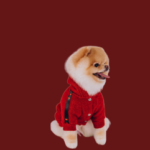 Apparel
 Beds & Furniture
 Cages & Accessories
 Carriers & Strollers
 Doors, Gates & Ramps
 Flea & Tick Control
 Grooming
 Litter & Housebreaking
 Memorials & Funerary
 Accessories & Others
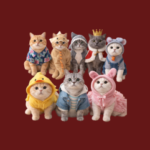 Apparel
 Beds & Furniture
 Cages & Accessories
 Carriers & Strollers
 Cat Doors,Steps, Nets.
 Collars, Harnesses & leashes
 Flea & Tick Control
 Grooming
 Cages& Accessories
 Cow Mastitis Detectors
 Ear Tags
 Aquarium Accessories
 Aquarium Cleaners
 Aquarium Decor
 Aquarium Lights
 Aquarium Pumps & Filter
 Aquariums & Fish Bowls
 Automatic Feeders