Farm efficiency directly impacts productivity, profitability, and long-term sustainability. With rising labor costs, unpredictable weather, and increasing market competition, farmers must rely on smart equipment choices to stay competitive.
The right equipment reduces manual labor, saves time, improves resource management, and enhances overall output. Whether you operate a small family farm or a large commercial agricultural business, strategic investment in farm tools and machinery can transform daily operations.
This guide explains how the right equipment improves farm efficiency and what solutions you should consider.
What Is Farm Efficiency?
Farm efficiency means producing maximum output with minimal waste of time, labor, and resources. It includes:
- Optimizing labor
- Reducing fuel and water usage
- Improving crop yields
- Enhancing livestock productivity
- Minimizing equipment downtime
Modern agriculture relies on precision and smart management to achieve these goals.
1. Modern Tractors and Multi-Function Machinery
Tractors remain the backbone of farm operations.
Efficiency Benefits:
- Faster land preparation
- Multiple attachments for plowing, planting, and spraying
- Reduced labor dependency
- Improved time management
Modern tractors with GPS technology enhance precision and reduce overlapping work.
2. Automated Irrigation Systems
Water management is crucial for both crop and livestock farms.
Advantages:
- Water savings up to 30–50%
- Consistent crop hydration
- Reduced labor
- Improved crop health
Smart irrigation systems ensure water is applied only when needed.
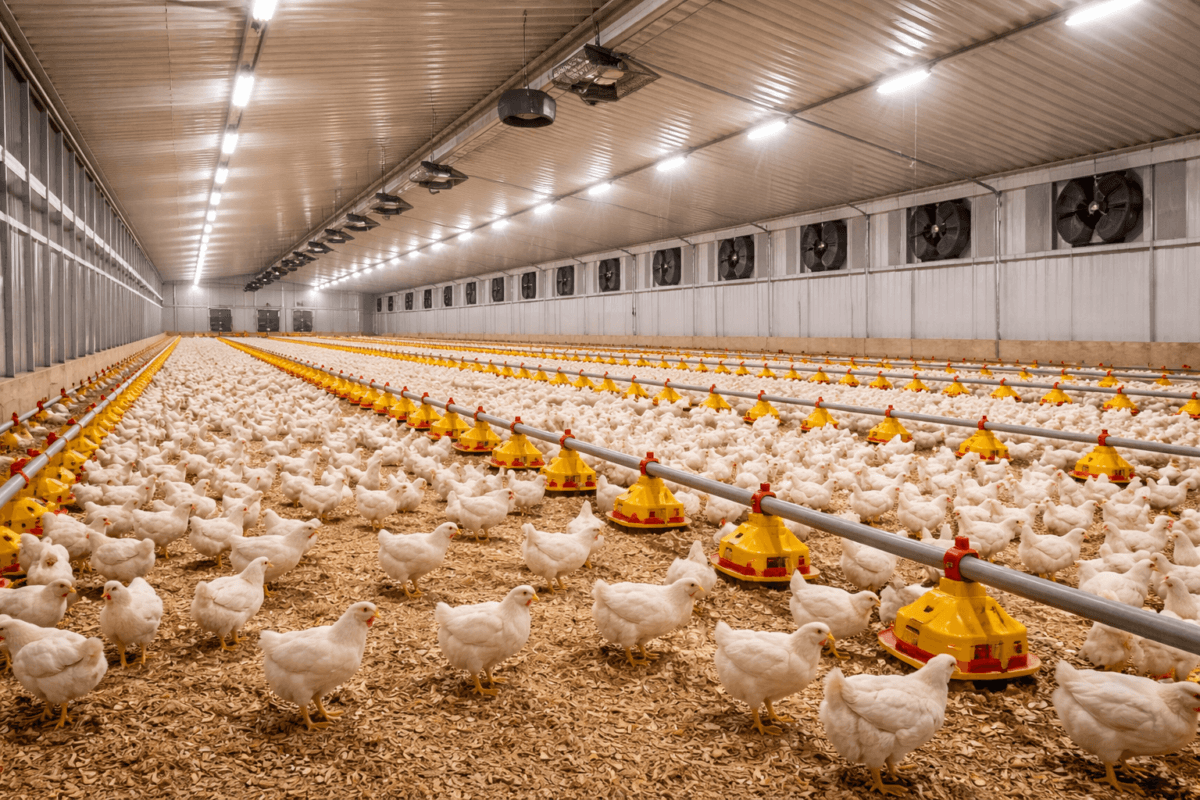
3. Livestock Feeding Systems
Feeding livestock manually is time-consuming.
Benefits of Automated Feeding:
- Precise feed distribution
- Reduced waste
- Better growth rates
- Improved feed conversion ratio
Consistent feeding schedules improve animal productivity.
4. Farm Cleaning and Waste Management Equipment
Clean facilities prevent disease and improve operational efficiency.
Key Equipment:
- Automatic manure scrapers
- Pressure washers
- Waste conveyors
- Manure spreaders
Proper waste management supports hygiene and soil fertilization.
5. Storage and Inventory Management Systems
Disorganized storage wastes time and resources.
Efficiency Gains:
- Faster supply access
- Reduced spoilage
- Improved stock tracking
- Lower pest contamination
Structured storage improves workflow and reduces losses.
6. Precision Farming Technology
Technology-driven farming is reshaping agriculture.
Examples:
- GPS-guided tractors
- Drones for crop monitoring
- Soil moisture sensors
- Farm management software
Precision tools reduce waste, improve yields, and support data-driven decisions.
7. Transport and Handling Equipment
Efficient transport reduces time and labor.
Benefits:
- Faster livestock movement
- Reduced injury risk
- Lower fuel consumption
- Better logistics planning
Proper handling equipment improves safety and productivity.
Reducing Labor Costs with Smart Equipment
Labor shortages are a growing challenge in agriculture.
Investing in:
- Automated feeders
- Robotic milking systems
- Automatic irrigation
- Mechanical harvesters
Allows farms to maintain productivity with fewer workers.
Improving Resource Management
The right equipment helps optimize:
Water Usage
Smart irrigation reduces waste.
Feed Management
Automated systems reduce overfeeding.
Fuel Efficiency
Modern engines consume less fuel.
Fertilizer Application
Precision spreaders prevent overuse.
Efficient resource management increases sustainability and profit margins.
Minimizing Downtime and Maintenance Costs
Old or poorly maintained equipment leads to:
- Delays
- Higher repair costs
- Lost productivity
Preventive maintenance schedules and investing in durable machinery reduce unexpected breakdowns.
Choosing the Right Equipment for Your Farm
When selecting equipment, consider:
1. Farm Size
Small farms need versatile, compact machinery. Large farms require high-capacity equipment.
2. Budget
Balance upfront investment with long-term savings.
3. Type of Farming
Crop farming, dairy farming, poultry production, and mixed farming require different tools.
4. Future Expansion Plans
Choose scalable equipment to accommodate growth.
Sustainable Equipment Solutions
Modern farms are shifting toward:
- Solar-powered water pumps
- Energy-efficient tractors
- Smart irrigation systems
- Eco-friendly waste recycling
Sustainability improves both environmental impact and long-term cost efficiency.
Common Mistakes to Avoid
- Buying oversized equipment
- Ignoring maintenance
- Overlooking training
- Focusing only on price instead of durability
Proper planning ensures equipment truly improves efficiency.
Long-Term Benefits of the Right Equipment
When farms invest wisely, they experience:
- Higher yields
- Improved animal productivity
- Lower operational costs
- Faster task completion
- Reduced physical strain
- Better farm organization
Efficiency is not about working harder—it’s about working smarter.
Conclusion
Improving farm efficiency with the right equipment is essential for modern agricultural success. From tractors and irrigation systems to automated feeding and precision farming technology, every piece of equipment contributes to higher productivity and reduced waste.
Careful planning, smart investments, and consistent maintenance ensure farms operate at peak performance. By adopting the right tools and technologies, farmers can enhance sustainability, profitability, and long-term growth.
Efficiency is the foundation of a successful farm—and the right equipment makes it possible.


 Accessories & Others
 Apparel
 Beds & Furniture
 Cages & Accessories
 Carriers & Strollers
 Doors, Gates & Ramps
 Flea & Tick Control
 Grooming
 Litter & Housebreaking
 Memorials & Funerary
 Accessories & Others
 Apparel
 Beds & Furniture
 Cages & Accessories
 Carriers & Strollers
 Cat Doors,Steps, Nets.
 Collars, Harnesses & leashes
 Flea & Tick Control
 Grooming
 Cages& Accessories
 Cow Mastitis Detectors
 Ear Tags
 Aquarium Accessories
 Aquarium Cleaners
 Aquarium Decor
 Aquarium Lights
 Aquarium Pumps & Filter
 Aquariums & Fish Bowls
 Automatic Feeders