Milk production is one of the most important indicators of health and productivity in dairy animals. Whether you raise cows, goats, or sheep, improving milk yield naturally not only supports animal welfare but also creates a more sustainable and cost-effective farming system. Instead of relying on synthetic enhancers, natural methods focus on nutrition, comfort, health, and stress management—factors that directly influence milk output.
In this guide, we’ll explore proven, natural strategies to improve milk production while keeping animals healthy and comfortable.
Why Natural Milk Production Matters
Natural milk production methods prioritize the long-term health of animals rather than short-term gains. When animals are well cared for, their bodies naturally produce more milk with better quality.
Benefits of natural milk production include:
- Healthier animals with stronger immunity
- Better milk quality and taste
- Reduced veterinary and feed costs
- Sustainable and ethical farming practices
Milk yield is closely linked to overall animal well-being.
1. Provide Balanced and High-Quality Nutrition
Nutrition is the foundation of milk production.
Key Feeding Practices:
- Offer high-quality forage such as fresh pasture, alfalfa, or good-quality hay
- Balance energy, protein, vitamins, and minerals
- Avoid sudden feed changes that disrupt digestion
Dairy animals require extra energy and protein during lactation. Poor-quality feed directly results in lower milk yield.
2. Ensure Constant Access to Clean Water
Water is essential for milk production—milk is mostly water.
Water Management Tips:
- Provide unlimited access to clean, fresh water
- Clean water troughs regularly
- Increase water availability during hot weather and peak lactation
Even short periods of dehydration can significantly reduce milk output.
3. Maintain Comfortable and Clean Living Conditions
Animal comfort directly affects milk yield.
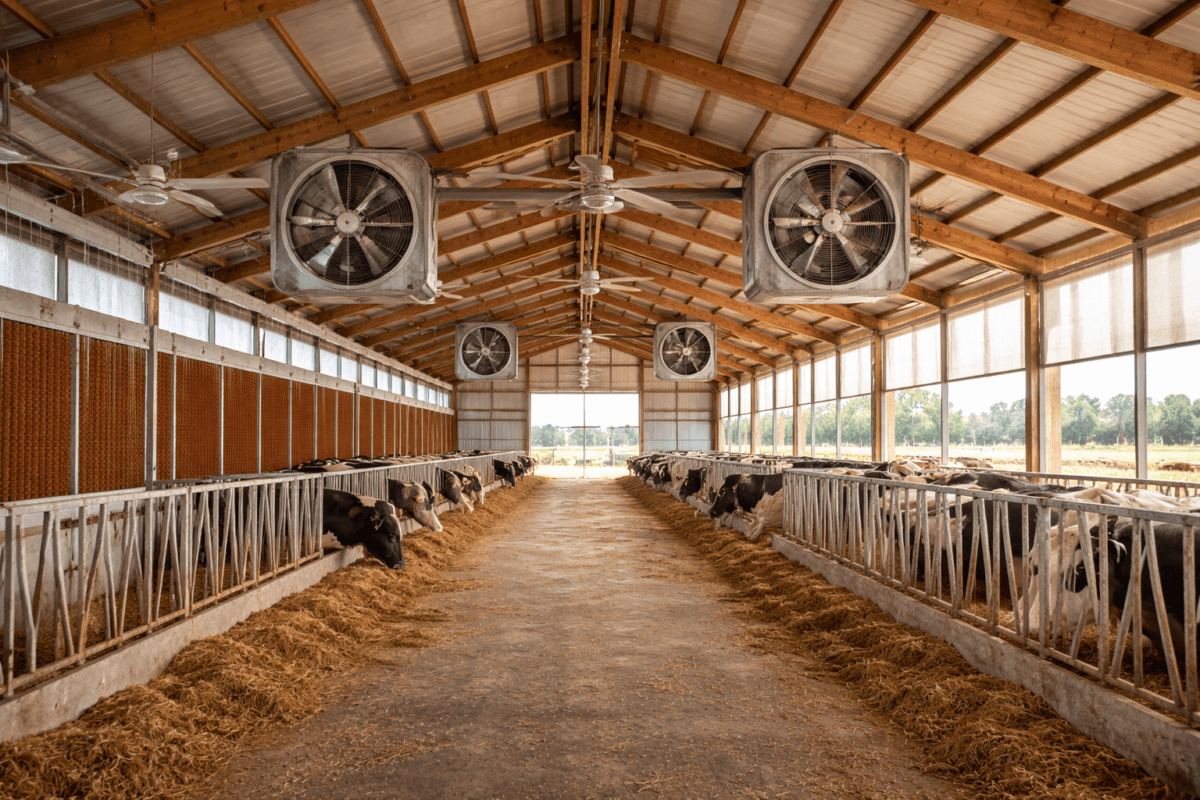
Housing Best Practices:
- Provide dry, clean bedding
- Ensure proper ventilation and airflow
- Protect animals from extreme heat, cold, and wind
- Avoid overcrowding
Comfortable animals experience less stress, allowing their bodies to focus energy on milk production.
4. Reduce Stress Through Gentle Handling
Stress is a major milk production killer.
Stress-Reduction Strategies:
- Follow consistent daily routines
- Handle animals calmly and gently
- Minimize loud noises and sudden changes
- Allow social interaction within herds
Lower stress levels improve hormonal balance, which is critical for milk let-down.
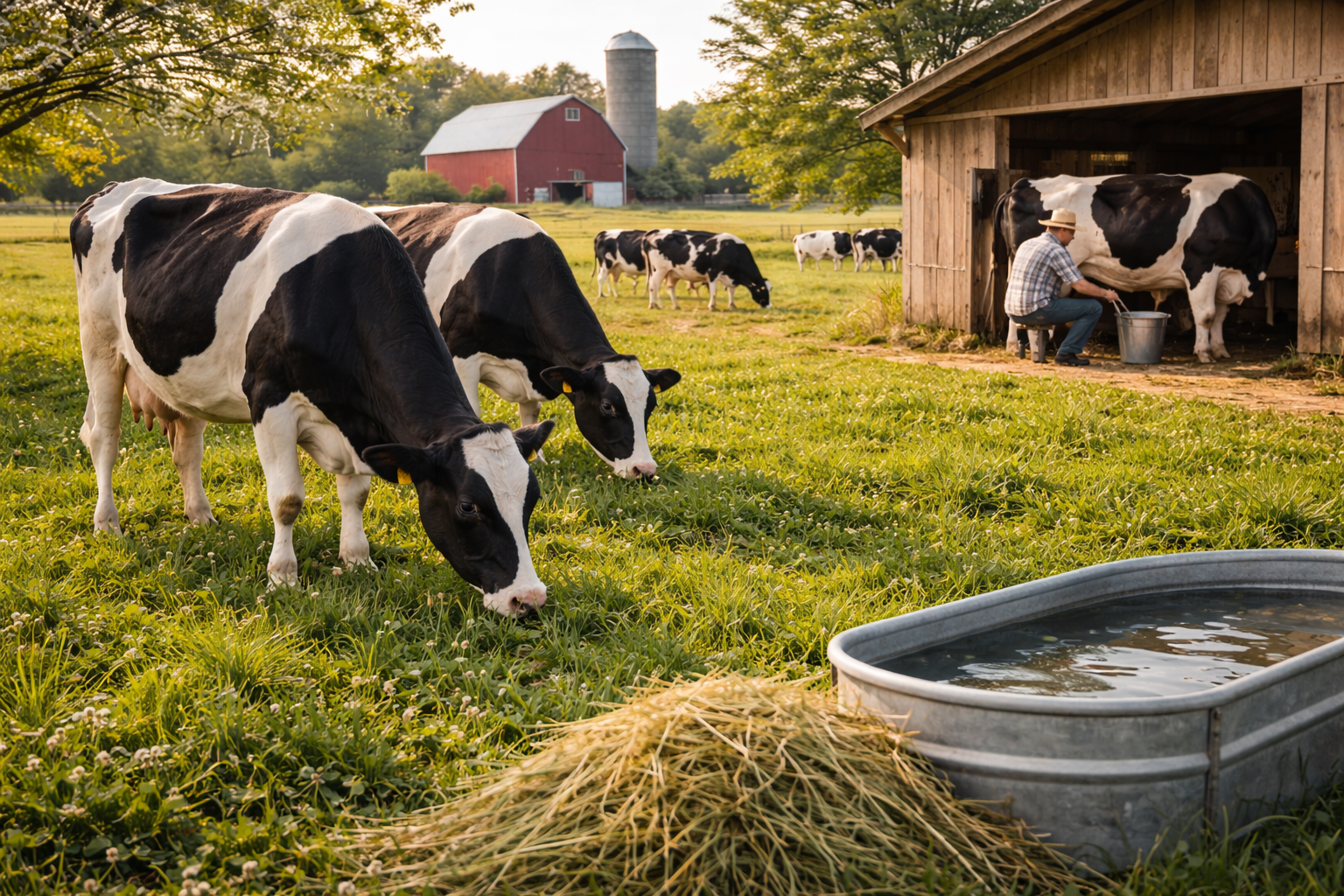
5. Practice Good Milking Hygiene and Routine
Proper milking practices support healthy udders and steady production.
Milking Tips:
- Milk animals at the same time each day
- Clean udders before and after milking
- Use gentle, consistent milking techniques
- Keep equipment clean and sanitized
Good hygiene prevents mastitis, a leading cause of reduced milk yield.
6. Support Udder and Teat Health
Healthy udders are essential for sustained milk production.
- Regularly check for swelling, heat, or injuries
- Keep bedding clean to reduce infection risk
- Address any signs of mastitis early
Healthy udders allow animals to produce milk comfortably and consistently.
7. Use Natural Supplements and Forages
Certain natural supplements may support milk production.
Natural Options:
- Mineral blocks or loose minerals
- Tannin-rich forages
- Herbs traditionally used for lactation support
Always research and introduce supplements carefully to avoid digestive upset.
8. Maintain Good Body Condition
Animals that are too thin or overweight produce less milk.
Body Condition Tips:
- Monitor weight and appearance regularly
- Adjust feed based on lactation stage
- Provide extra nutrition during early and peak lactation
Balanced body condition ensures energy is available for milk production.
9. Prevent Disease and Parasites Naturally
Illness reduces milk yield quickly.
Preventive Care Includes:
- Clean housing and good hygiene
- Natural parasite control methods
- Regular health observation
- Prompt treatment of minor issues
Healthy animals convert feed into milk more efficiently.
10. Allow Adequate Rest and Recovery
Rest is often overlooked but essential.
- Provide comfortable resting areas
- Avoid excessive milking frequency
- Allow dry periods between lactation cycles
Well-rested animals maintain higher long-term production.
Final Thoughts
Improving milk production naturally is about supporting the animal’s overall health, comfort, and well-being. Through balanced nutrition, clean water, low-stress environments, proper hygiene, and attentive care, dairy animals can reach their full production potential without artificial enhancements.
Natural milk production not only benefits animals but also leads to higher-quality milk, lower costs, and a more sustainable farming system. Healthy animals produce better milk—naturally. 🥛🐄🐐🐑


 Accessories & Others
 Apparel
 Beds & Furniture
 Cages & Accessories
 Carriers & Strollers
 Doors, Gates & Ramps
 Flea & Tick Control
 Grooming
 Litter & Housebreaking
 Memorials & Funerary
 Accessories & Others
 Apparel
 Beds & Furniture
 Cages & Accessories
 Carriers & Strollers
 Cat Doors,Steps, Nets.
 Collars, Harnesses & leashes
 Flea & Tick Control
 Grooming
 Cages& Accessories
 Cow Mastitis Detectors
 Ear Tags
 Aquarium Accessories
 Aquarium Cleaners
 Aquarium Decor
 Aquarium Lights
 Aquarium Pumps & Filter
 Aquariums & Fish Bowls
 Automatic Feeders