Your dog spends a large portion of their day sleeping—anywhere from 12 to 18 hours depending on age and breed. That’s why choosing the right dog bed isn’t just about comfort; it’s about supporting their joints, improving sleep quality, and promoting overall health.
With so many styles, materials, and sizes available, selecting the perfect dog bed can feel overwhelming. Should you choose orthopedic foam? A bolster bed? A cooling mat? The answer depends on your dog’s age, size, sleeping habits, and specific needs.
In this complete guide, we’ll walk you through everything you need to know to pick the right dog bed for comfort and support.
Why the Right Dog Bed Matters
A high-quality dog bed provides more than a cozy nap spot. It helps:
- Support joints and muscles
- Prevent pressure sores
- Improve sleep quality
- Regulate body temperature
- Reduce anxiety
- Protect furniture and flooring
Dogs that sleep on hard surfaces may develop joint stiffness, especially as they age. Investing in a supportive bed can prevent discomfort and long-term issues.
Step 1: Consider Your Dog’s Size
The first step in choosing the right bed is selecting the correct size.
Measure Your Dog
Have your dog lie down in their natural sleeping position and measure from nose to tail. Add 6–12 inches to ensure enough space for stretching.
Size Guidelines
- Small dogs (under 20 lbs): Small or medium beds
- Medium dogs (20–50 lbs): Medium or large beds
- Large dogs (50–90 lbs): Large or extra-large beds
- Giant breeds (90+ lbs): XXL or custom beds
A bed that’s too small can cause discomfort, while one that’s too large may not feel secure.
Step 2: Observe Sleeping Style
Dogs sleep in different positions, and their preferred style should influence your choice.
Curled-Up Sleepers
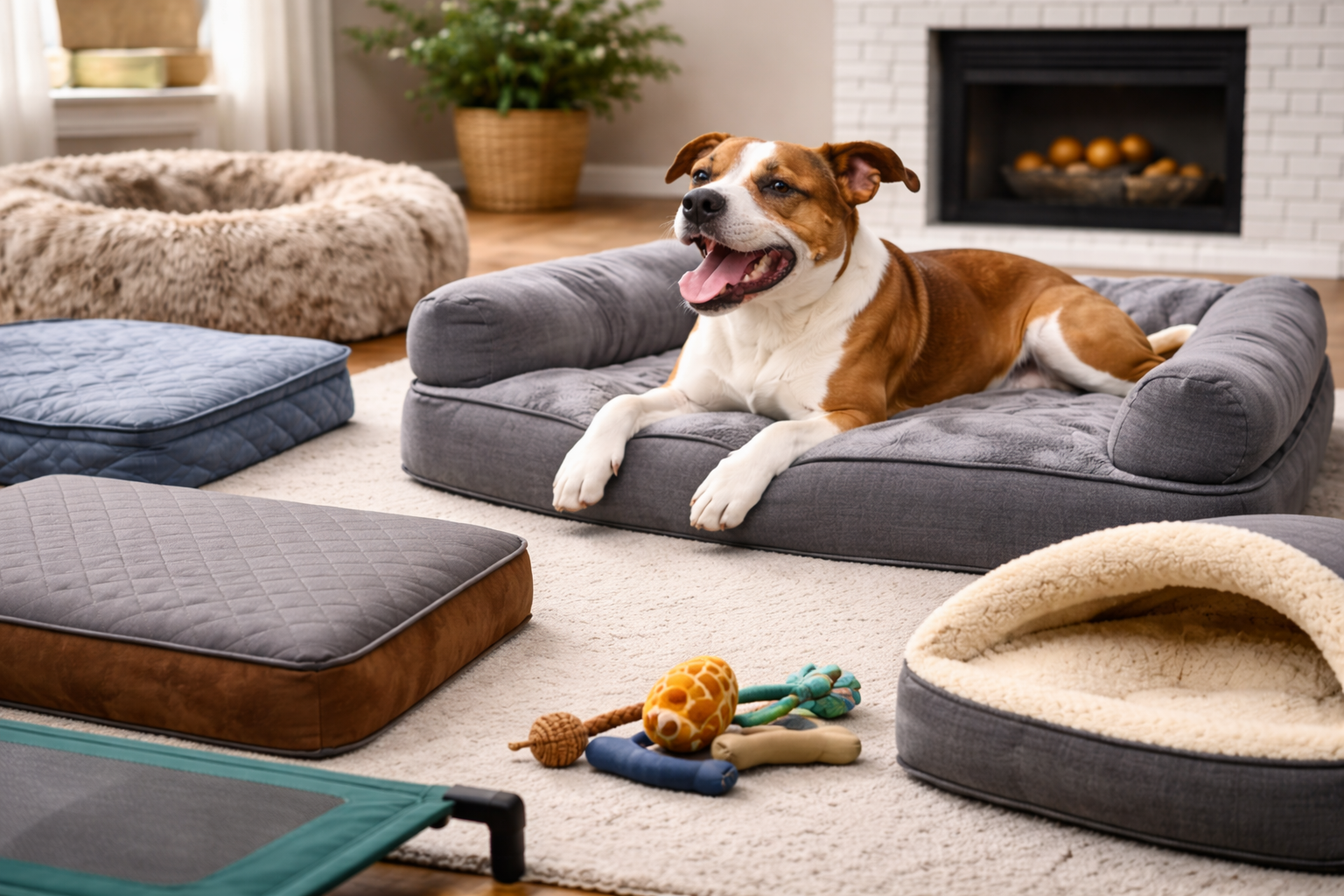
If your dog likes to curl into a ball, choose a bolster or donut bed. Raised edges provide head support and a sense of security.
Stretchers
Dogs that stretch out fully need a flat mattress-style bed with ample space.
Burrowers
Some dogs enjoy burrowing under blankets. A covered or cave-style bed works best for them.
Leaners
If your dog often rests their head against furniture, look for beds with padded sides for extra support.
Step 3: Choose the Right Filling Material
The filling determines how supportive and durable the bed will be.
1. Memory Foam (Orthopedic)
Best for:
- Senior dogs
- Large breeds
- Dogs with arthritis or joint issues
Memory foam distributes weight evenly and reduces pressure on joints.
2. Polyfill (Standard Stuffing)
Best for:
- Young, healthy dogs
- Budget-friendly options
While comfortable initially, polyfill beds may flatten over time.
3. Gel-Infused Foam
Best for:
- Hot climates
- Dogs prone to overheating
Provides cooling comfort while maintaining support.
4. Elevated Beds
Best for:
These beds keep dogs off the ground and allow airflow underneath.
Step 4: Consider Your Dog’s Age
Puppies
- Durable and chew-resistant material
- Washable covers (accidents happen!)
- Moderate cushioning
Adult Dogs
- Balanced comfort and support
- Durable outer fabric
Senior Dogs
- Orthopedic foam
- Easy access (low edges)
- Non-slip bottom
Older dogs benefit significantly from beds that reduce joint pressure and provide stability when standing up.
Step 5: Look at Cover Material
The cover impacts comfort, durability, and maintenance.
Common Options:
- Cotton or Plush: Soft and cozy
- Fleece: Warm and comfortable
- Canvas or Denim: Durable and chew-resistant
- Waterproof Covers: Ideal for older dogs
Removable, machine-washable covers are highly recommended for hygiene.
Step 6: Support & Thickness
Thickness matters, especially for larger breeds.
As a general rule:
- Small dogs: 2–4 inches thick
- Medium dogs: 4–6 inches thick
- Large dogs: 6+ inches thick
Thin beds may not provide adequate cushioning against hard floors.
Step 7: Location of the Bed
Where you place the bed also influences your choice.
Indoors
Choose a stylish, cozy option that blends with your home décor.
Outdoors
Look for:
- Waterproof materials
- Elevated design
- Easy-to-clean surface
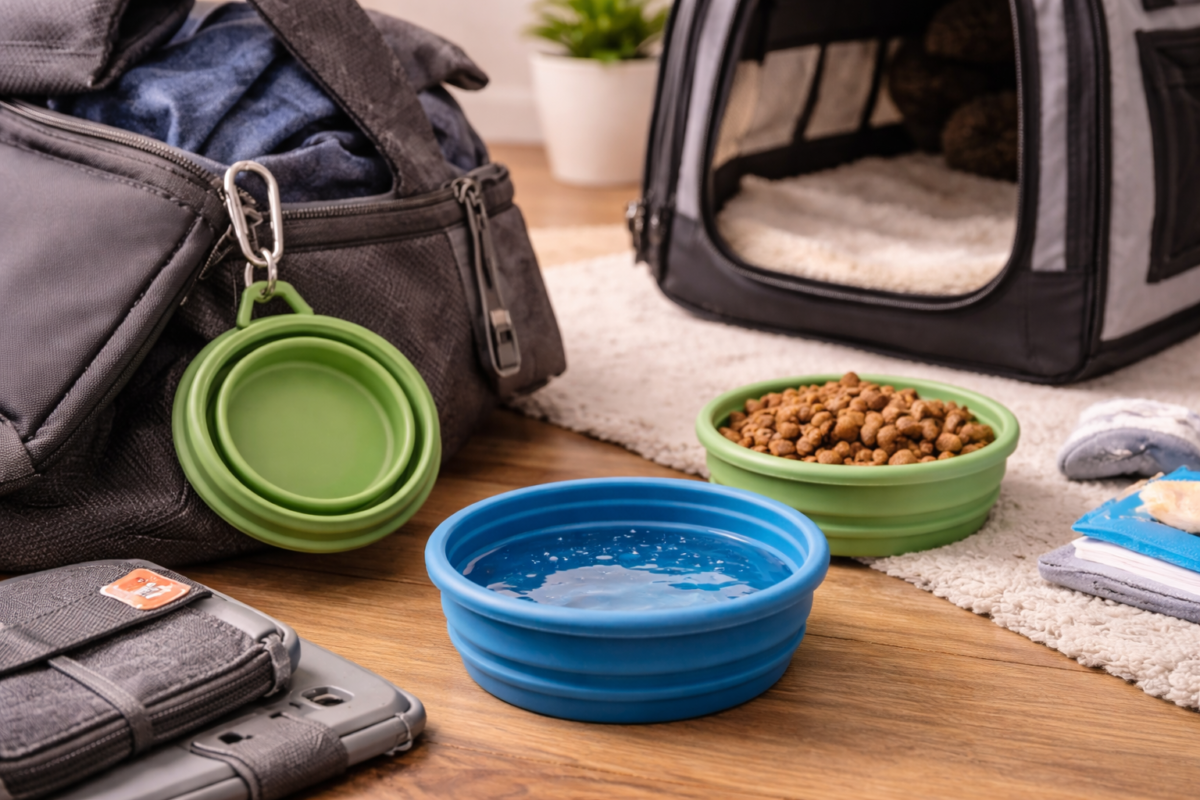
Travel
Consider a lightweight, portable bed that folds easily.
Step 8: Health Considerations
If your dog has specific health needs, consult your veterinarian before purchasing a bed.
Dogs with:
- Arthritis
- Hip dysplasia
- Joint pain
- Recovery from surgery
Benefit most from orthopedic beds with high-density memory foam.
Step 9: Durability Matters
Some dogs dig, scratch, or chew their beds.
If your dog is rough on bedding:
- Look for reinforced seams
- Choose chew-resistant fabric
- Avoid loose stitching
Spending slightly more on a durable bed can save money in the long run.
Step 10: Temperature Regulation
Dogs can be sensitive to temperature changes.
For Warm Climates:
- Cooling gel beds
- Breathable mesh
- Elevated cots
For Cold Climates:
- Plush or fleece lining
- Bolster beds
- Self-warming materials
Matching the bed to your climate improves comfort year-round.
Common Mistakes to Avoid
- Choosing the wrong size
- Buying thin, low-quality padding
- Ignoring your dog’s sleeping habits
- Selecting a bed without washable covers
- Not considering health needs
Taking the time to evaluate these factors ensures long-term comfort.
When Should You Replace a Dog Bed?
Even the best dog beds wear out over time.
Replace the bed if:
- It’s flattened or lumpy
- Foam no longer rebounds
- Cover is torn beyond repair
- Your dog avoids using it
A worn-out bed can reduce support and cause discomfort.
Final Thoughts
Choosing the right dog bed for comfort and support is one of the best investments you can make for your pet’s health and happiness. The perfect bed depends on your dog’s size, sleeping habits, age, and specific needs.
For most dogs, a properly sized bed with high-density foam and a washable cover offers the best combination of durability and comfort. Senior dogs benefit greatly from orthopedic support, while puppies need durable and easy-to-clean options.


 Accessories & Others
 Apparel
 Beds & Furniture
 Cages & Accessories
 Carriers & Strollers
 Doors, Gates & Ramps
 Flea & Tick Control
 Grooming
 Litter & Housebreaking
 Memorials & Funerary
 Accessories & Others
 Apparel
 Beds & Furniture
 Cages & Accessories
 Carriers & Strollers
 Cat Doors,Steps, Nets.
 Collars, Harnesses & leashes
 Flea & Tick Control
 Grooming
 Cages& Accessories
 Cow Mastitis Detectors
 Ear Tags
 Aquarium Accessories
 Aquarium Cleaners
 Aquarium Decor
 Aquarium Lights
 Aquarium Pumps & Filter
 Aquariums & Fish Bowls
 Automatic Feeders