
Blog

How to Train Your Dog at Home Using Simple Tools

0

Training your dog doesn’t require expensive equipment or professional trainers. With patience, consistency, and a few simple tools, you can successfully train your dog at home while building a strong bond based on trust and communication.

Whether you’ve just welcomed a new puppy or want to improve your adult dog’s behavior, home training is one of the most rewarding parts of pet ownership. This guide will walk you through effective at-home dog training methods, the tools you need, and how to use them correctly.

Why Train Your Dog at Home?

Home training offers several advantages:

  • Your dog learns in a familiar, low-stress environment
  • Training fits your daily routine
  • You strengthen your bond through one-on-one interaction
  • You save money on professional classes

With the right approach, home training can be just as effective as formal obedience courses.

Essential Simple Tools for Home Dog Training

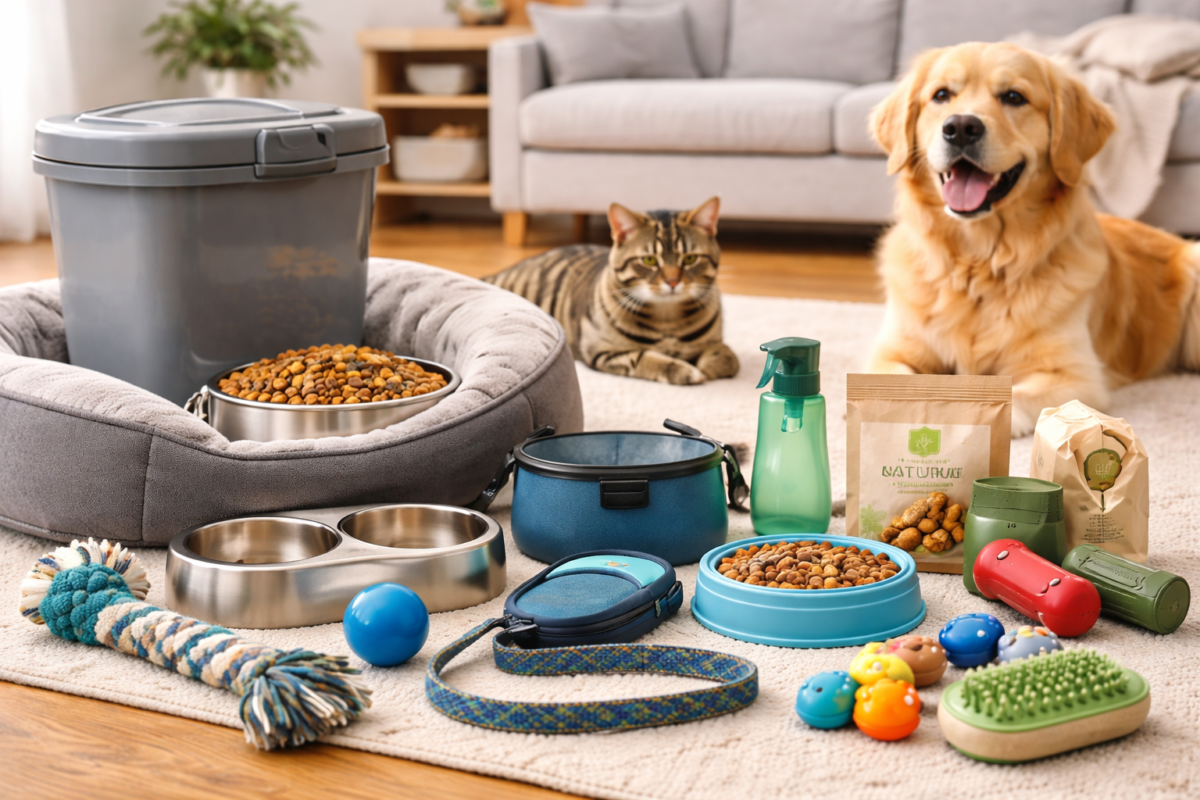
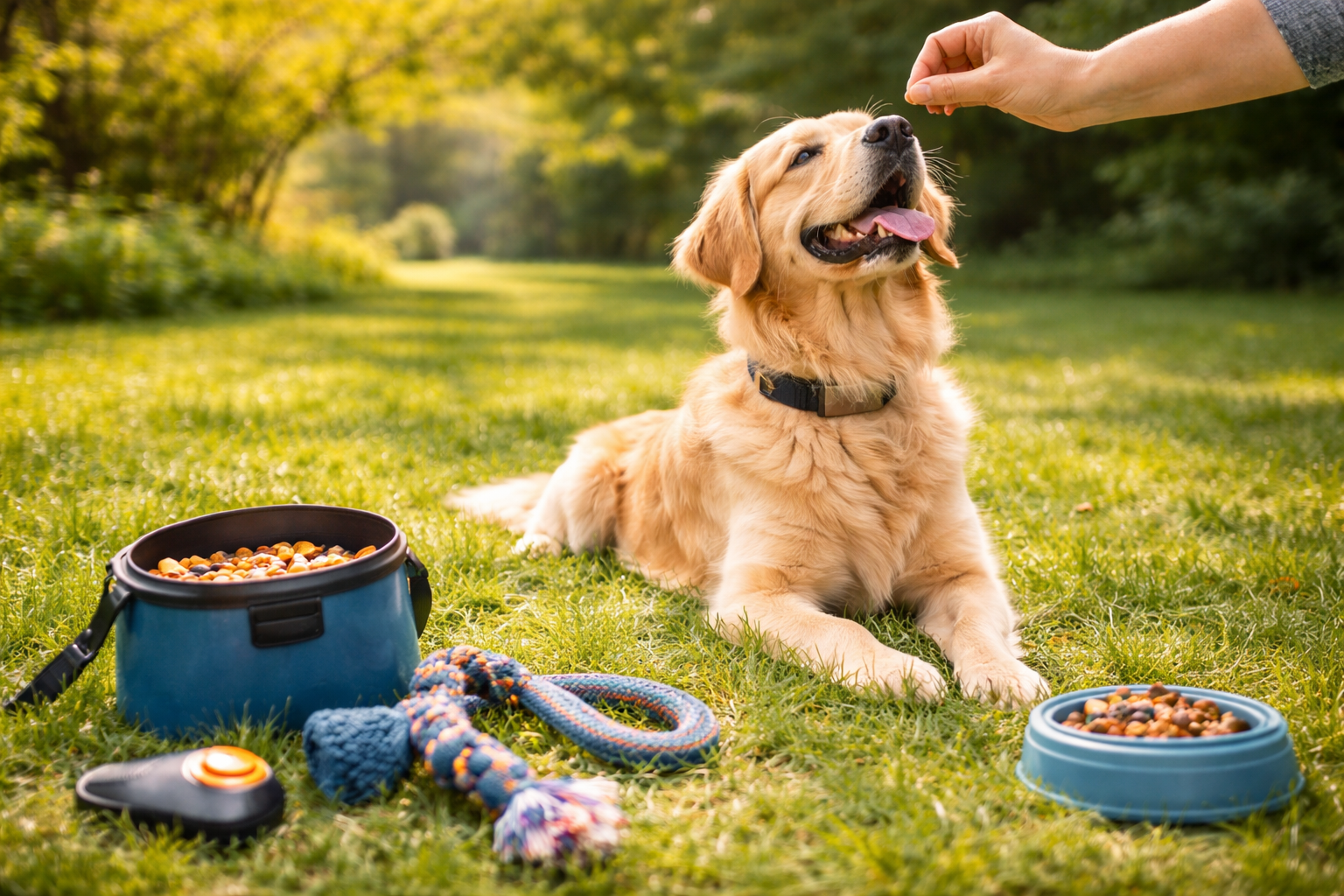
You don’t need a garage full of gear. These basic tools are enough to get started:

🦴 1. Treats (High-Value Rewards)

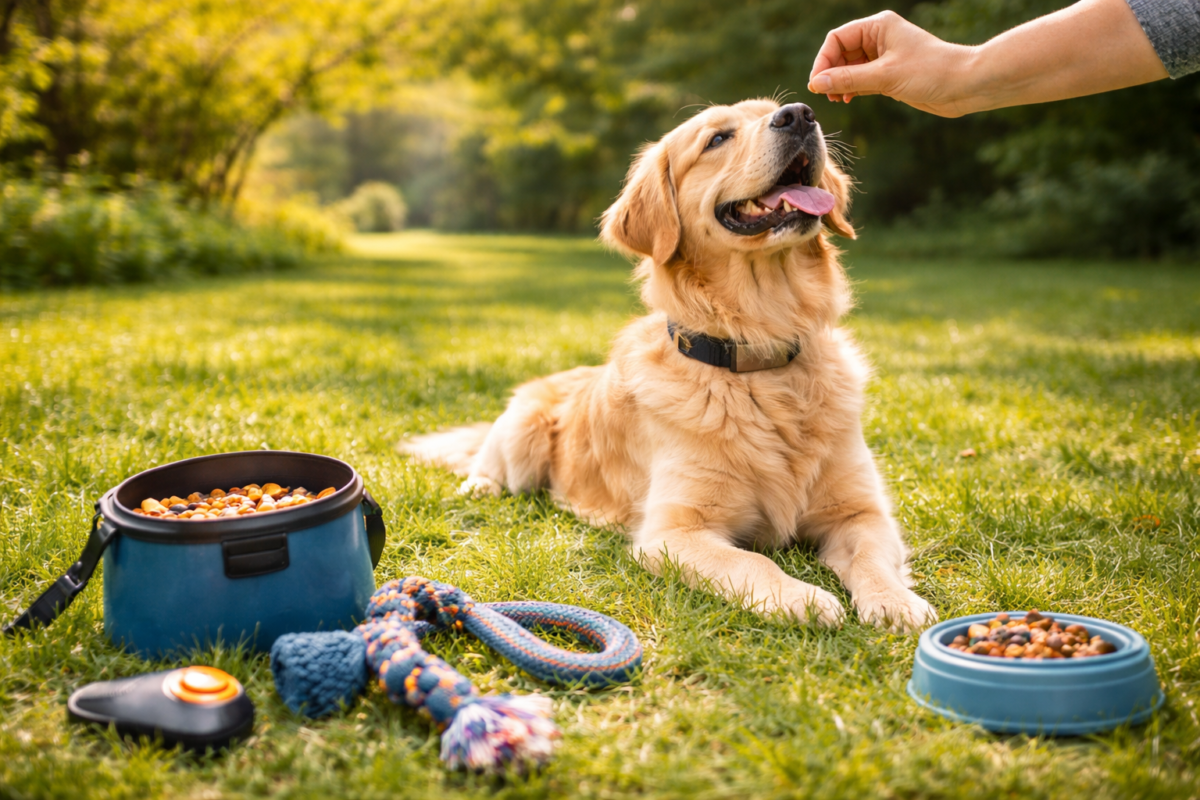
Treats are the foundation of positive reinforcement. Choose small, soft treats your dog loves and can eat quickly.

Tips:

  • Use tiny portions to avoid overfeeding
  • Reserve special treats only for training
  • Gradually replace treats with praise as skills improve

🎯 2. Clicker (Optional but Helpful)

A clicker is a small device that makes a consistent clicking sound to mark correct behavior.

Why it works:

  • Clearly signals when your dog does something right
  • Helps dogs learn faster
  • Improves timing and communication

If you don’t have a clicker, a verbal marker like “Yes!” works too.

🐕 3. Leash and Collar or Harness

Even indoor training benefits from leash control—especially for puppies or excitable dogs.

Use a leash to:

  • Guide your dog gently
  • Prevent jumping or wandering
  • Teach commands like “heel” or “stay”

A comfortable harness is often better than a collar for beginners.

🧸 4. Toys for Motivation and Play

Toys are excellent rewards, especially for dogs that aren’t food-motivated.

Use toys for:

  • Rewarding good behavior
  • Redirecting chewing or biting
  • Mental stimulation and bonding

🛏️ 5. Designated Training Space

Choose a quiet area with minimal distractions.

This helps your dog:

  • Focus better
  • Learn commands faster
  • Associate that space with learning

As your dog improves, gradually add distractions.

Basic Commands You Can Teach at Home

Start with simple, practical commands that improve everyday behavior.

✅ Sit

One of the easiest commands to teach.

How:

  1. Hold a treat above your dog’s nose
  2. Move it slowly backward
  3. When your dog sits, reward immediately

✅ Stay

Builds impulse control and safety.

Tip: Start with short durations and increase slowly.

✅ Come

Essential for safety.

Practice indoors first, then move outdoors on a leash.

✅ Down

Helps calm excitable dogs and encourages relaxation.

✅ Leave It

Prevents your dog from grabbing unsafe items.

This command can prevent accidents and vet visits.

Training Tips for Success

🕒 Keep Sessions Short

5–10 minutes per session is ideal. Multiple short sessions work better than one long one.

🎉 Always End on a Positive Note

Finish training with a success to keep your dog motivated and confident.

🔁 Be Consistent

Use the same commands, tone, and rewards every time. Consistency speeds learning.

🧘 Stay Calm and Patient

Dogs sense frustration. Calm energy leads to better results.

Never punish or yell—this can damage trust and slow learning.

Common Training Mistakes to Avoid

🚫 Inconsistent commands
🚫 Training when your dog is tired or overstimulated
🚫 Skipping rewards too soon
🚫 Expecting instant results

Training is a process—progress takes time.

Training Adult Dogs at Home

Adult dogs can absolutely be trained at home.

Key points:

  • Be patient—habits take time to change
  • Use higher-value rewards initially
  • Keep expectations realistic

Dogs of any age can learn with the right approach.

When to Increase Difficulty

Once your dog masters commands indoors:

  • Practice in different rooms
  • Add mild distractions
  • Move training to the yard or quiet outdoor spaces

Gradual progression builds reliability.

Leave a Reply

Your email address will not be published. Required fields are marked *