Weather plays a powerful role in the health, comfort, and productivity of farm animals. From scorching summer heat to freezing winter temperatures, sudden weather changes can stress livestock and disrupt normal feeding, growth, reproduction, and milk production. Understanding how weather affects farm animals allows farmers to take preventive steps that protect animal welfare and maintain farm efficiency year-round.
In this guide, we’ll explore how different weather conditions impact farm animals and what farmers can do to reduce weather-related stress and health problems.
Why Weather Awareness Is Important in Farming
Farm animals are resilient, but extreme or sudden weather changes can overwhelm their natural coping abilities. Weather influences:
- Body temperature regulation
- Feed and water intake
- Immune system strength
- Disease and parasite risk
- Reproductive performance
Ignoring weather-related stress can lead to lower productivity, illness, and even loss of animals.
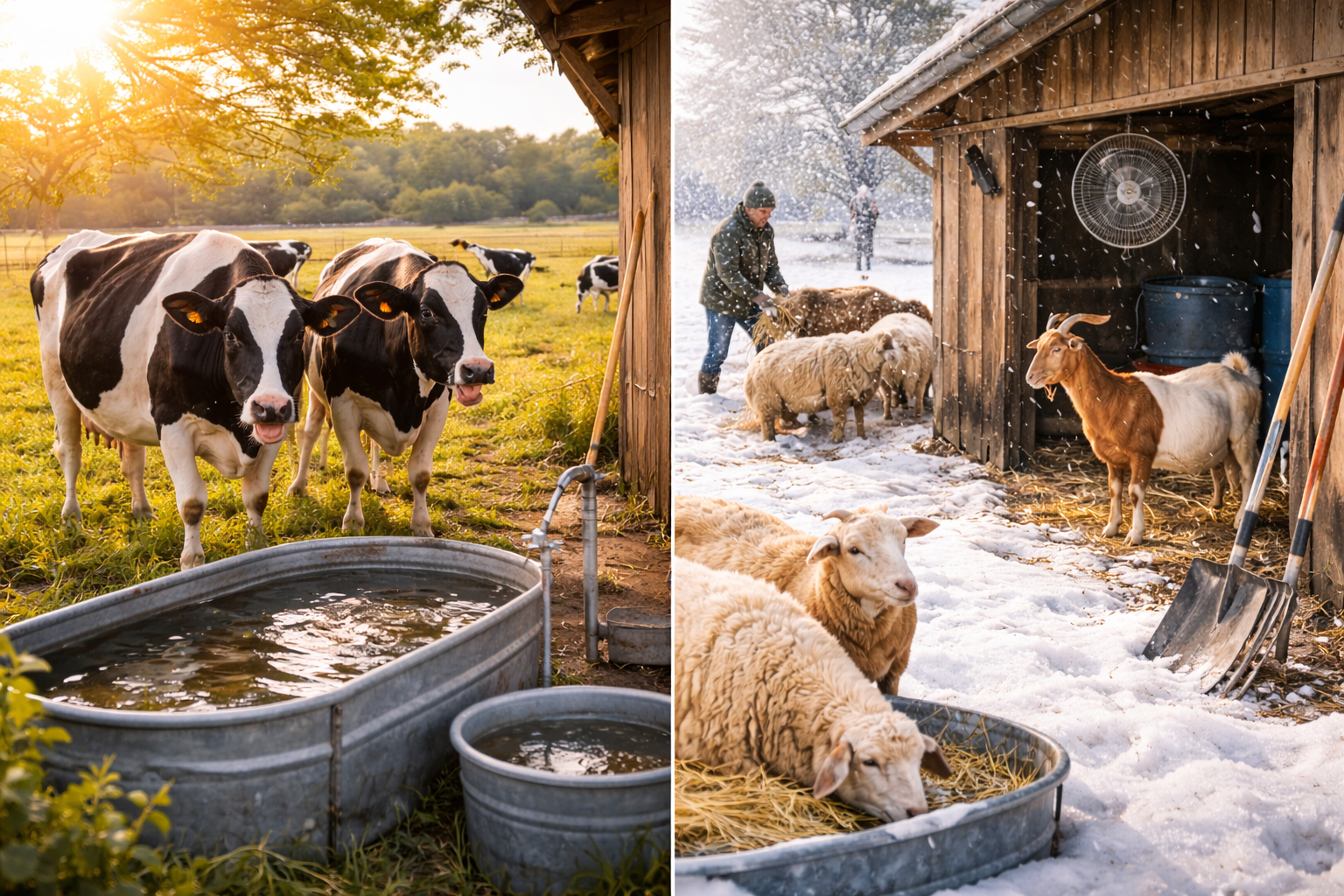
Effects of Hot Weather on Farm Animals
High temperatures and humidity are among the most dangerous conditions for livestock.
Common Heat-Related Problems:
- Heat stress and dehydration
- Reduced feed intake
- Lower milk and egg production
- Fertility issues
- Increased risk of death in severe cases
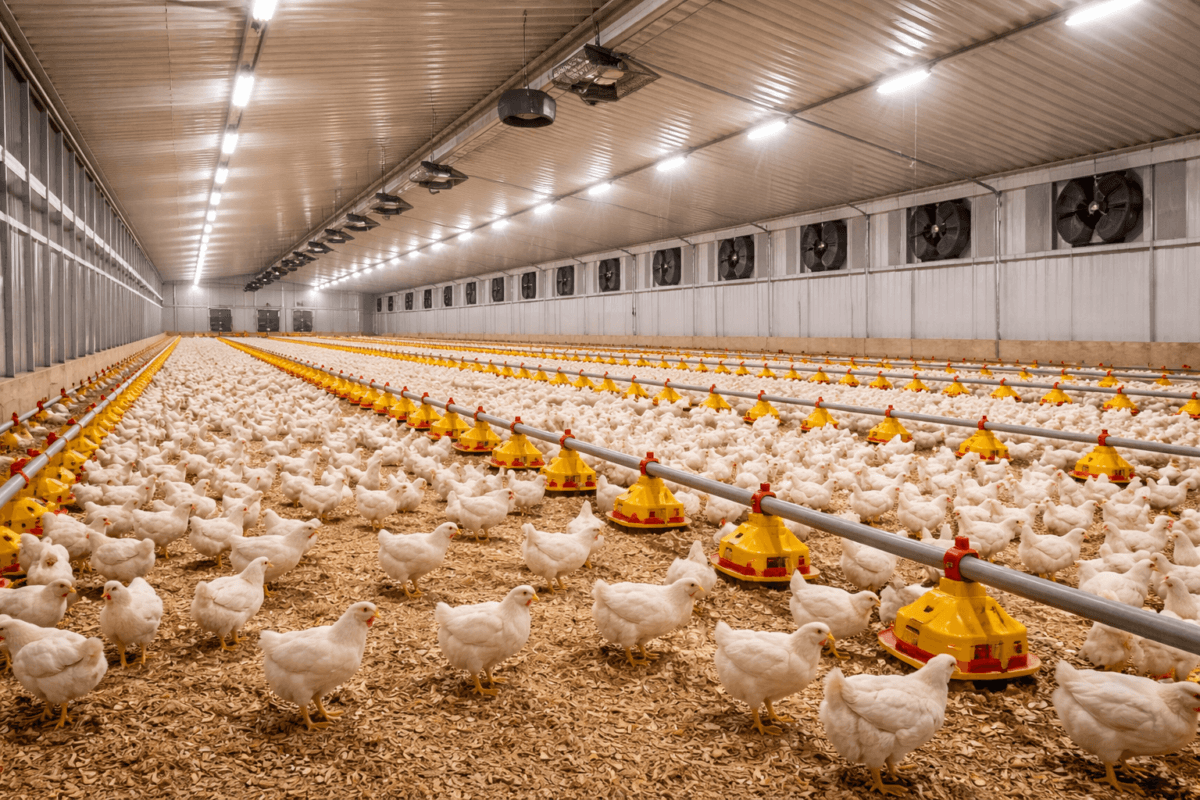
Animals such as dairy cows and poultry are especially sensitive to heat.
Signs of Heat Stress:
- Rapid breathing or panting
- Excessive drooling or sweating
- Lethargy and reduced movement
- Seeking shade constantly
How Farmers Can Help:
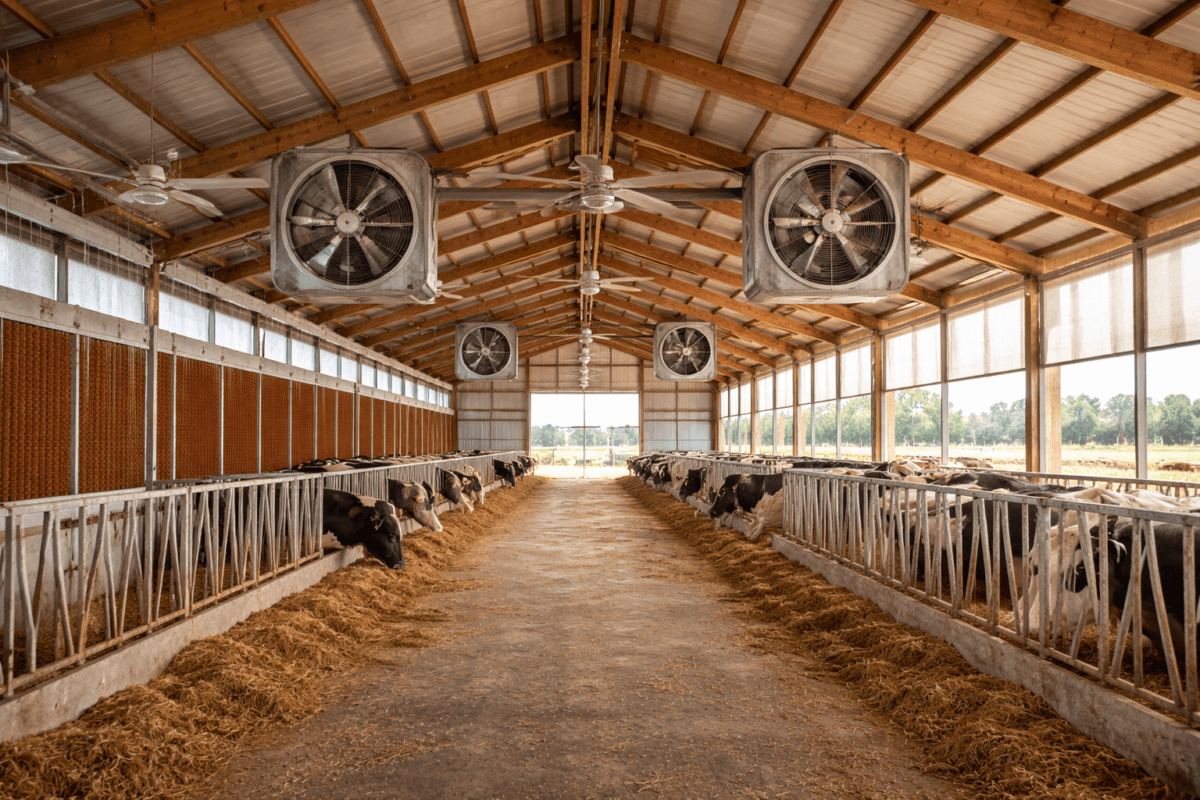
- Provide shade and proper ventilation
- Ensure unlimited access to clean, cool water
- Adjust feeding times to early morning or evening
- Reduce overcrowding
Managing heat stress is essential for summer animal welfare.
Effects of Cold Weather on Farm Animals
Cold temperatures create different challenges, especially when combined with wind and moisture.
Cold-Weather Risks:
- Hypothermia
- Frostbite (ears, tails, udders)
- Increased energy needs
- Respiratory illnesses
Animals burn more calories to stay warm, which increases feed requirements.
Protection Strategies:
- Provide dry, draft-free shelters
- Increase feed energy during winter
- Keep bedding clean and dry
- Protect water sources from freezing
Dry conditions are often more important than warmth itself.
Impact of Rain and High Humidity
Excessive rain and humidity can be just as harmful as temperature extremes.
Problems Caused by Wet Conditions:
- Mud-related hoof problems
- Increased parasite and bacterial growth
- Skin infections
- Stress and discomfort
Wet environments weaken immune defenses and raise disease risk.
Preventive Measures:
- Improve shelter drainage
- Rotate pastures to avoid muddy areas
- Keep bedding dry
- Maintain good ventilation
Managing moisture is critical for disease prevention.
Sudden Weather Changes and Stress
Rapid changes in temperature or weather patterns are particularly stressful for animals.
Stress Effects Include:
- Weakened immune response
- Increased illness outbreaks
- Behavioral changes
- Reduced productivity
Animals need time to adapt, and sudden changes disrupt normal routines.
Farmer Actions:
- Monitor weather forecasts closely
- Adjust feeding and shelter proactively
- Increase observation during transition periods
Preparation reduces the impact of sudden shifts.
Seasonal Weather Effects on Farm Animals
Spring
- Increased parasite activity
- Muddy conditions affecting hooves
- Sudden temperature swings
Summer
- Heat stress and dehydration
- Fly and insect pressure
Autumn
- Nutritional adjustments for winter
- Increased respiratory issues
Winter
- Cold stress and frozen water
- Higher energy demands
Each season requires tailored care strategies.
How Weather Affects Feeding and Water Intake
Weather directly influences how much animals eat and drink.
- Hot weather: Reduced feed intake, increased water needs
- Cold weather: Increased feed intake for body heat
- Wet conditions: Feed spoilage and contamination
Monitoring feed and water consumption helps detect weather-related problems early.
Weather and Disease Risk
Weather changes can increase disease susceptibility.
- Heat weakens immunity
- Cold increases respiratory illness
- Wet conditions support bacteria and parasites
Preventive health care and clean environments are especially important during extreme weather.
Long-Term Climate Changes and Livestock
Climate variability is increasing the frequency of extreme weather events.
Long-Term Adaptation Strategies:
- Improve shelter design
- Choose climate-resilient breeds
- Invest in better water and shade systems
- Strengthen biosecurity practices
Adaptability is becoming a key farming skill.
Final Thoughts
Weather changes affect farm animals in many ways—from daily comfort to long-term productivity. Heat, cold, rain, and sudden climate shifts all place stress on livestock, but proactive management can greatly reduce their impact. Providing proper shelter, clean water, balanced nutrition, and careful monitoring helps animals adapt to changing conditions safely.
By understanding how weather affects farm animals and planning ahead, farmers protect animal welfare, reduce losses, and build more resilient, sustainable farms. Healthy animals thrive best when farmers stay one step ahead of the weather. 🌦️🐄🐐🐑


 Accessories & Others
 Apparel
 Beds & Furniture
 Cages & Accessories
 Carriers & Strollers
 Doors, Gates & Ramps
 Flea & Tick Control
 Grooming
 Litter & Housebreaking
 Memorials & Funerary
 Accessories & Others
 Apparel
 Beds & Furniture
 Cages & Accessories
 Carriers & Strollers
 Cat Doors,Steps, Nets.
 Collars, Harnesses & leashes
 Flea & Tick Control
 Grooming
 Cages& Accessories
 Cow Mastitis Detectors
 Ear Tags
 Aquarium Accessories
 Aquarium Cleaners
 Aquarium Decor
 Aquarium Lights
 Aquarium Pumps & Filter
 Aquariums & Fish Bowls
 Automatic Feeders