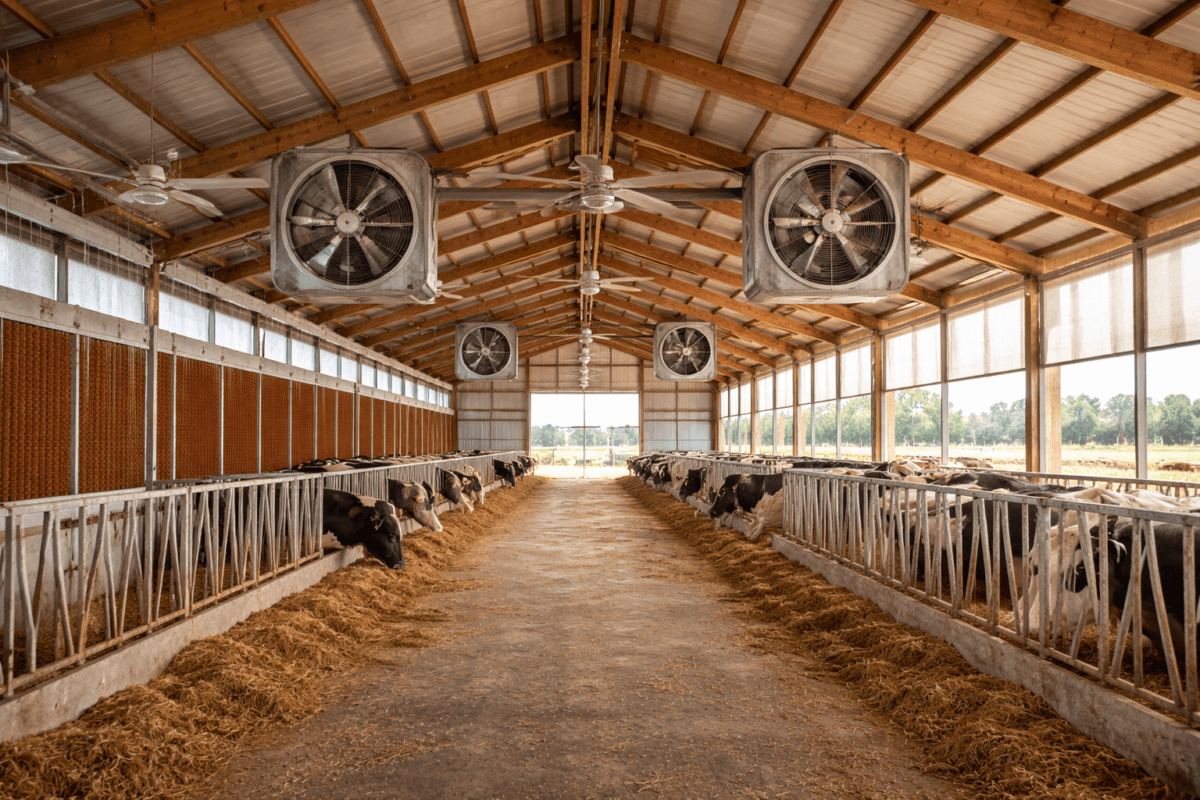
Clean water is one of the most critical yet often overlooked necessities in farm animal care. While farmers carefully plan feeding routines and shelter design, water quality sometimes receives less attention—despite being essential for survival, digestion, temperature regulation, and overall health. Without consistent access to clean, fresh water, farm animals quickly suffer from dehydration, stress, and reduced productivity.
In this guide, we’ll explore the importance of clean water for farm animals, how water quality impacts health and performance, and best practices to ensure safe hydration throughout the year.
Why Clean Water Matters for Farm Animals
Water makes up a large portion of an animal’s body and plays a vital role in nearly every biological process. From nutrient absorption to waste removal, animals depend on water daily to function properly.
Clean water supports:
- Proper digestion and nutrient absorption
- Regulation of body temperature
- Healthy blood circulation
- Milk, meat, and egg production
- Strong immune system function
Even short-term water deprivation or poor water quality can negatively affect animal health.
How Much Water Do Farm Animals Need?
Water requirements vary by species, size, diet, and weather conditions.
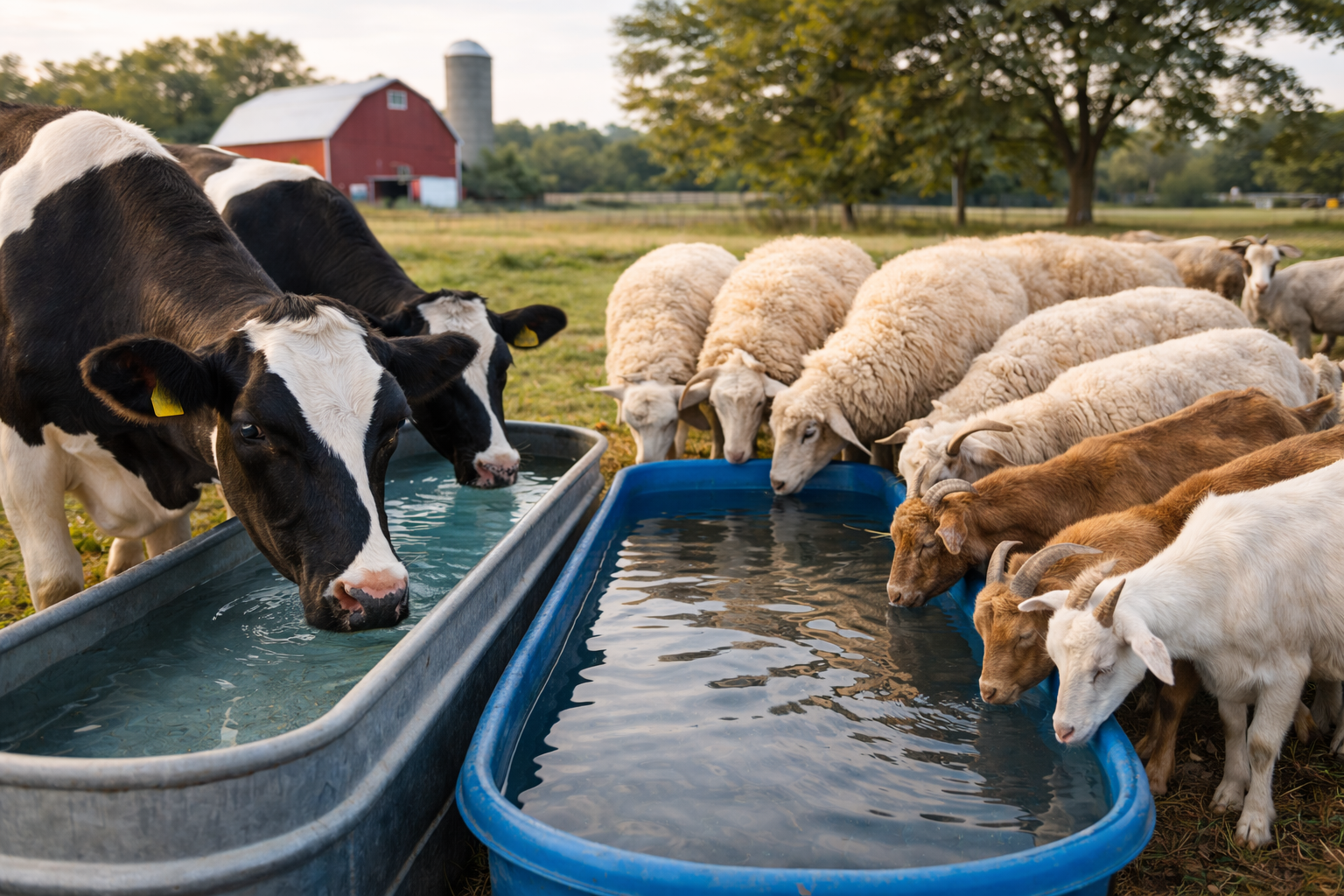
- Cows: Large animals that require significant water intake, especially during lactation
- Goats and sheep: Smaller but still dependent on regular hydration
- Hot weather or dry feed: Increases water demand
Animals consuming dry hay or concentrates need more water than those grazing fresh pasture. Clean water must always be available, not just occasionally.
Health Risks of Dirty or Contaminated Water
Poor water quality can quickly lead to serious health problems.
Common Issues Caused by Dirty Water:
- Digestive disorders such as diarrhea
- Reduced feed intake and weight loss
- Lower milk and egg production
- Increased risk of disease and parasites
- Dehydration and heat stress
Water contaminated with algae, manure, bacteria, or chemicals can discourage animals from drinking, even when water appears plentiful.
Impact of Clean Water on Productivity
Healthy, hydrated animals are more productive.
- Milk production: Dairy animals need adequate water to maintain milk yield
- Growth rates: Proper hydration supports digestion and weight gain
- Reproduction: Dehydration can disrupt hormonal balance
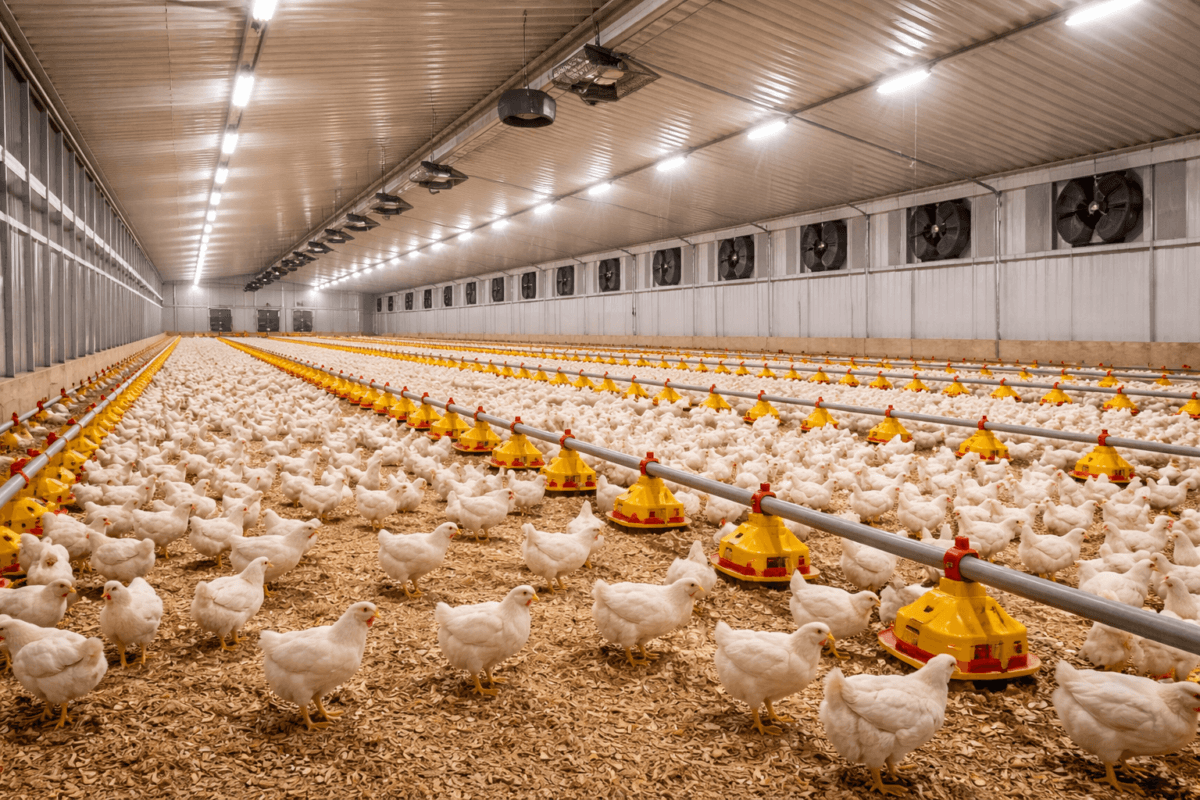
- Egg production: Poultry reduce laying when water quality declines
Simply improving water cleanliness can lead to noticeable gains in productivity.
Clean Water and Digestive Health
Water is essential for rumen function in cows, goats, and sheep.
- Helps break down forage and fiber
- Supports microbial activity in the rumen
- Prevents digestive blockages and bloat
Without clean water, even high-quality feed cannot be fully utilized.
Seasonal Challenges in Water Management
Summer Water Care
- Increased demand due to heat
- Risk of algae growth in troughs
- Faster evaporation
Ensure frequent cleaning and increased water availability during hot months.
Winter Water Care
- Risk of frozen water sources
- Reduced intake if water is too cold
Use insulated or heated water systems and check supplies frequently.
Best Practices for Providing Clean Water
Clean Water Sources Regularly
- Scrub troughs and buckets to remove algae and slime
- Empty and refill containers frequently
- Prevent manure contamination
Choose Safe Water Locations
- Place water sources away from waste areas
- Elevate troughs when possible
Monitor Water Quality
- Watch for unusual smells, discoloration, or debris
- Test water periodically if using natural or well sources
Ensure Easy Access
- Provide enough watering points to prevent competition
- Make water accessible to young, old, and weak animals
Consistency is key to good hydration.
Clean Water and Disease Prevention
Water can act as a transmission route for disease.
- Shared dirty water sources spread bacteria and parasites
- Clean water reduces infection risk
- Good water hygiene supports biosecurity efforts
Maintaining clean water is a simple but powerful disease-prevention strategy.
Signs of Dehydration or Poor Water Intake
Farmers should watch for early warning signs.
Common Signs Include:
- Dry nose or mouth
- Sunken eyes
- Reduced urination
- Lethargy or weakness
- Sudden drop in production
Prompt action can prevent serious complications.
Final Thoughts
The importance of clean water for farm animals cannot be overstated. Clean, fresh water supports digestion, productivity, immunity, and overall well-being. Poor water quality, even for a short time, can lead to stress, illness, and economic loss.
By prioritizing water cleanliness, monitoring intake, and adjusting water management seasonally, farmers can significantly improve animal health and farm performance. Clean water isn’t just a basic need—it’s a foundation of responsible and successful livestock care. 💧🐄🐐🐑


 Accessories & Others
 Apparel
 Beds & Furniture
 Cages & Accessories
 Carriers & Strollers
 Doors, Gates & Ramps
 Flea & Tick Control
 Grooming
 Litter & Housebreaking
 Memorials & Funerary
 Accessories & Others
 Apparel
 Beds & Furniture
 Cages & Accessories
 Carriers & Strollers
 Cat Doors,Steps, Nets.
 Collars, Harnesses & leashes
 Flea & Tick Control
 Grooming
 Cages& Accessories
 Cow Mastitis Detectors
 Ear Tags
 Aquarium Accessories
 Aquarium Cleaners
 Aquarium Decor
 Aquarium Lights
 Aquarium Pumps & Filter
 Aquariums & Fish Bowls
 Automatic Feeders