Handling farm animals is a daily part of livestock farming, but it also comes with risks. Animals are strong, unpredictable, and easily stressed if handled improperly. Unsafe handling can lead to injuries for both farmers and animals, increased stress, and long-term behavioral problems.
By learning and practicing safe handling techniques, farmers can create a calmer working environment, reduce accidents, and improve overall animal welfare. This guide covers essential safe handling tips for farm animals that every farmer—new or experienced—should follow.
Why Safe Animal Handling Is Important
Safe handling protects everyone on the farm. Poor handling practices can cause:
- Injuries from kicks, bites, or crushing
- Animal stress and fear
- Reduced productivity
- Long-term behavioral issues
- Increased risk of accidents
Animals that feel safe and calm are easier to manage, healthier, and more productive.
1. Understand Animal Behavior
Knowing how animals think and react is the foundation of safe handling.
Key Behavioral Traits:
- Farm animals are prey animals and may react suddenly to fear
- Loud noises, fast movements, and unfamiliar objects increase stress
- Animals respond better to calm, predictable behavior
Understanding natural instincts helps you anticipate reactions and avoid dangerous situations.
2. Stay Calm and Move Slowly
Your behavior directly affects how animals respond.
Best Practices:
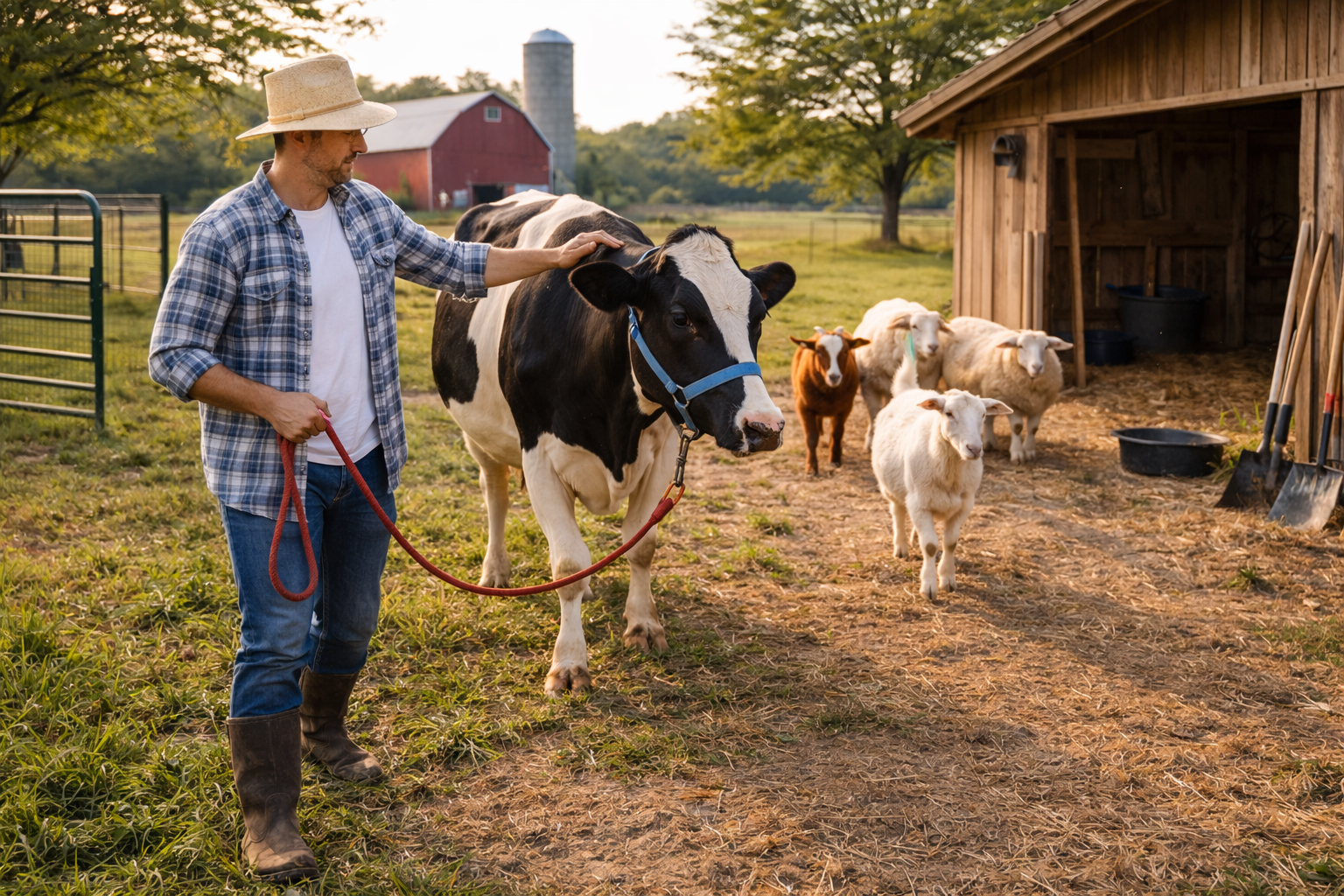
- Move slowly and confidently
- Avoid sudden gestures or shouting
- Speak calmly when possible
Calm handlers create calm animals, reducing the risk of panic and injury.
3. Use Proper Positioning and Body Language
Where you stand matters.
Positioning Tips:
- Stay out of blind spots, especially behind animals
- Avoid standing directly in front of large animals
- Keep a safe distance when animals are nervous
Good positioning allows you to guide animals without startling them.
4. Use Appropriate Handling Equipment
Proper tools improve safety and control.
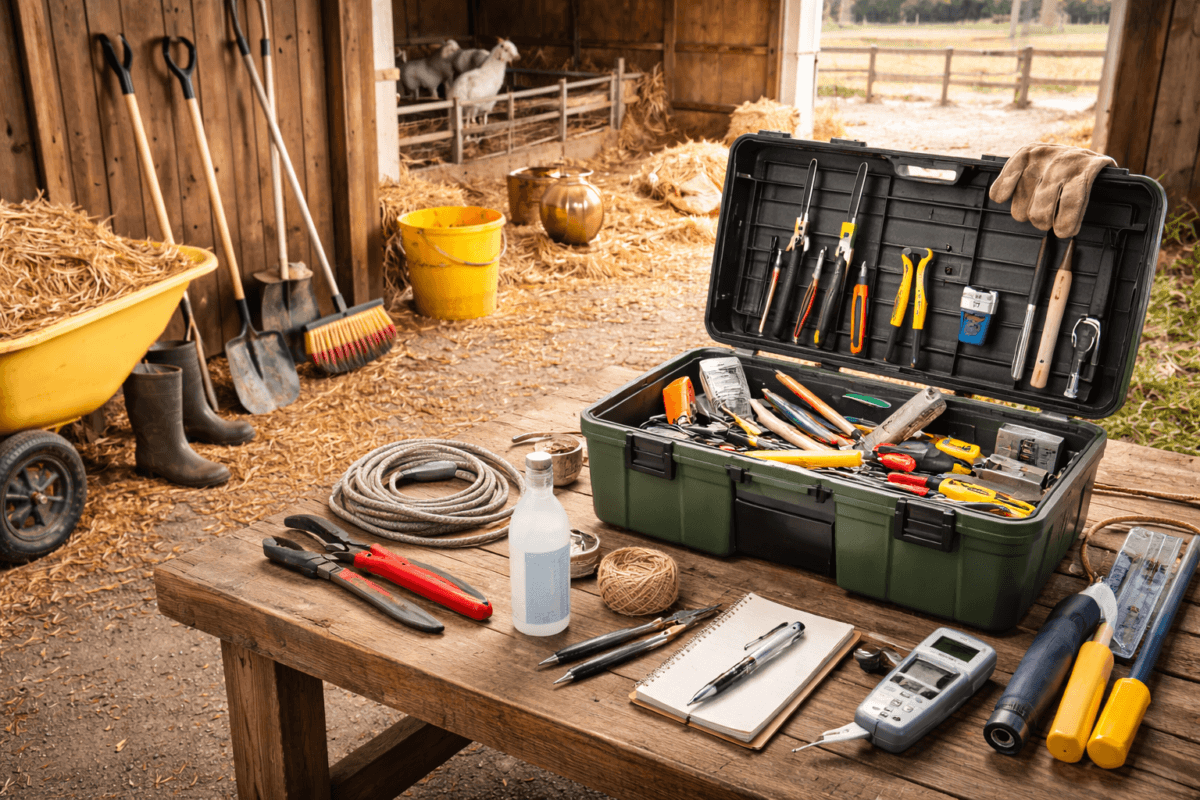
Common Handling Tools:
- Halters and leads for large animals
- Sorting panels and gates
- Chutes or pens for medical care
- Gloves and protective footwear
Never use broken or unsuitable equipment—it increases injury risk.
5. Avoid Rough or Forceful Handling
Rough handling causes fear and aggression.
What to Avoid:
- Hitting or kicking animals
- Pulling ears, tails, or wool
- Using excessive force
Force increases resistance and makes future handling more dangerous.
6. Be Aware of Animal Stress Signals
Animals often show warning signs before reacting.
Stress Signals Include:
- Raised head and stiff posture
- Excessive vocalization
- Pawing, stomping, or tail swishing
- Attempts to escape
If an animal shows stress signs, pause and allow it to calm before continuing.
7. Keep Children and Inexperienced People Supervised
Farm animals can be unpredictable around unfamiliar people.
Safety Rules:
- Supervise children at all times
- Teach basic animal behavior and safety
- Restrict access to aggressive or nervous animals
Education and supervision prevent serious accidents.
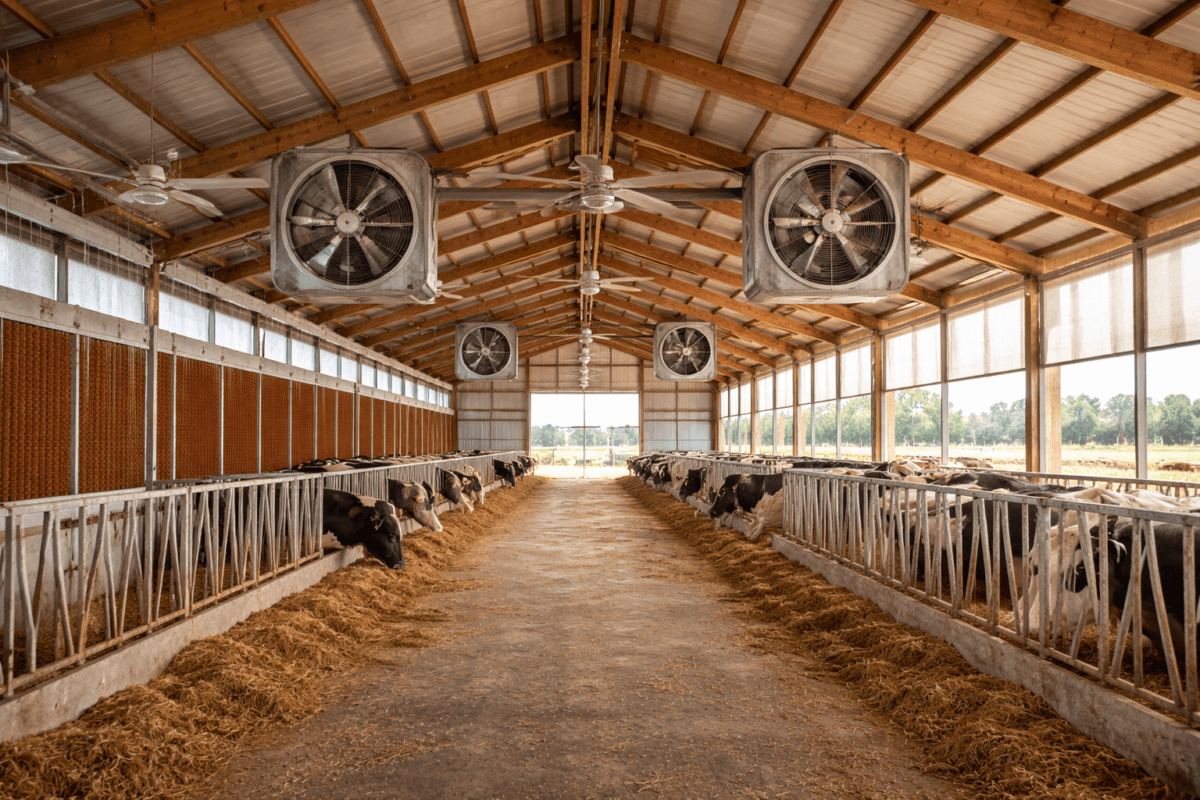
8. Maintain Safe Facilities and Work Areas
A safe environment supports safe handling.
Facility Safety Tips:
- Repair broken fencing and gates
- Keep walkways clear of clutter
- Ensure proper lighting
- Use non-slip flooring in barns
Well-maintained facilities reduce slips, falls, and animal escapes.
9. Handle Animals at the Right Time
Timing can affect animal behavior.
Best Timing Practices:
- Handle animals during calm periods
- Avoid handling during extreme heat or storms
- Be extra cautious during breeding, birthing, or feeding times
Animals are more reactive when tired, hungry, or stressed.
10. Use Gentle Training and Routine Handling
Regular, gentle interaction builds trust.
Training Benefits:
- Animals become familiar with human presence
- Reduced fear during handling
- Easier medical care and transport
Routine handling makes animals more predictable and safer to manage.
11. Protect Yourself With Proper Clothing
Personal safety gear matters.
Recommended Gear:
- Sturdy boots with toe protection
- Gloves for grip and hygiene
- Weather-appropriate clothing
Proper clothing reduces injury risk and improves handling control.
12. Know When to Ask for Help
Some situations require assistance.
- Handling aggressive animals
- Medical procedures
- Moving large or nervous livestock
Never hesitate to seek help—working as a team improves safety.
Common Handling Mistakes to Avoid
- Rushing animals
- Working alone with dangerous livestock
- Ignoring warning signs
- Using poor-quality equipment
Avoiding these mistakes significantly reduces accident risk.
Final Thoughts
Safe handling tips for farm animals are not just about avoiding injury—they’re about building trust, reducing stress, and creating a more productive farm environment. By understanding animal behavior, using proper equipment, staying calm, and maintaining safe facilities, farmers protect both themselves and their livestock.
Safe handling is a skill developed over time, and every calm interaction builds confidence on both sides. When animals feel secure, farms become safer, smoother, and more successful places to work. 🐄🐐🐑


 Accessories & Others
 Apparel
 Beds & Furniture
 Cages & Accessories
 Carriers & Strollers
 Doors, Gates & Ramps
 Flea & Tick Control
 Grooming
 Litter & Housebreaking
 Memorials & Funerary
 Accessories & Others
 Apparel
 Beds & Furniture
 Cages & Accessories
 Carriers & Strollers
 Cat Doors,Steps, Nets.
 Collars, Harnesses & leashes
 Flea & Tick Control
 Grooming
 Cages& Accessories
 Cow Mastitis Detectors
 Ear Tags
 Aquarium Accessories
 Aquarium Cleaners
 Aquarium Decor
 Aquarium Lights
 Aquarium Pumps & Filter
 Aquariums & Fish Bowls
 Automatic Feeders