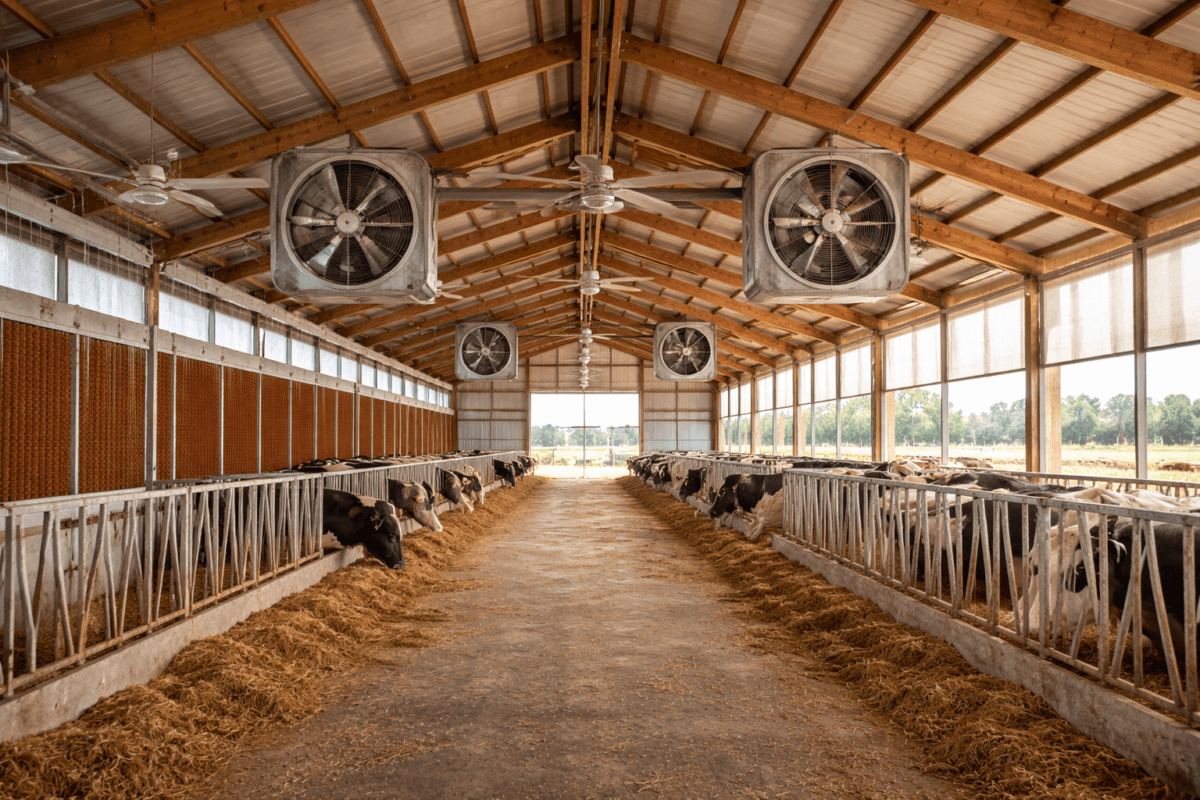
Stress in farm animals is a serious but often underestimated issue. While occasional stress is unavoidable, prolonged or unmanaged stress can weaken immunity, reduce productivity, and lead to serious health problems. Animals cannot verbally express discomfort, so it’s the farmer’s responsibility to recognize early warning signs and take action before stress escalates.
In this guide, we’ll explore the most common signs of stress in farm animals, why stress should never be ignored, and how timely intervention can protect both animal welfare and farm success.
Why Stress in Farm Animals Is a Big Concern
Stress affects animals physically, mentally, and behaviorally. When animals experience ongoing stress, their bodies release hormones that suppress immune function and disrupt normal growth and production.
Chronic stress can result in:
- Lower milk, meat, or egg production
- Increased disease risk
- Poor reproduction performance
- Aggression or abnormal behavior
- Higher mortality rates
Recognizing stress early helps prevent long-term damage and costly losses.
1. Changes in Eating and Drinking Habits
One of the earliest signs of stress is a change in appetite.
What to Watch For:
- Reduced feed intake
- Refusal to drink water
- Eating too quickly or erratically
- Weight loss over time
Animals under stress often lose interest in food, which quickly affects energy levels and overall health.
2. Unusual or Aggressive Behavior
Behavioral changes are strong indicators of stress.
Common Stress Behaviors:
- Aggression toward herd or flock mates
- Excessive vocalization
- Restlessness or pacing
- Isolation from the group
Animals that suddenly become aggressive or withdrawn are often responding to environmental or social stressors.
3. Physical Signs of Distress
Stress often shows through visible physical symptoms.
Physical Warning Signs:
- Rapid breathing or panting
- Excessive sweating or drooling
- Trembling or shaking
- Poor coat or feather condition
These signs may worsen during extreme heat, cold, or overcrowded conditions.
4. Changes in Posture and Movement
How an animal stands or moves can reveal a lot about its comfort level.
Movement-Related Stress Indicators:
- Reluctance to move or stand
- Repeated shifting of weight
- Hunched posture
- Limping or stiffness
Stress can worsen pain from existing injuries or foot problems, making movement uncomfortable.
5. Reproductive and Production Decline
Stress directly affects hormonal balance.
Signs in Productivity:
- Drop in milk yield
- Reduced egg production
- Poor fertility or delayed breeding
- Higher rates of pregnancy loss
Even mild but ongoing stress can significantly reduce farm output over time.
6. Increased Illness and Weakened Immunity
Animals under stress are more vulnerable to disease.
Health-Related Stress Signs:
- Frequent infections
- Slow recovery from illness
- Increased parasite infestations
- Poor wound healing
Stress suppresses immune responses, allowing diseases to spread more easily.
7. Abnormal Repetitive Behaviors
Chronic stress may cause animals to develop unusual habits.
Examples Include:
- Repeated chewing without food
- Head shaking or rubbing
- Feather pecking in poultry
- Excessive scratching or licking
These behaviors often indicate boredom, confinement stress, or environmental discomfort.
8. Environmental Triggers of Stress
Understanding stress causes is just as important as spotting symptoms.
Common Stress Triggers:
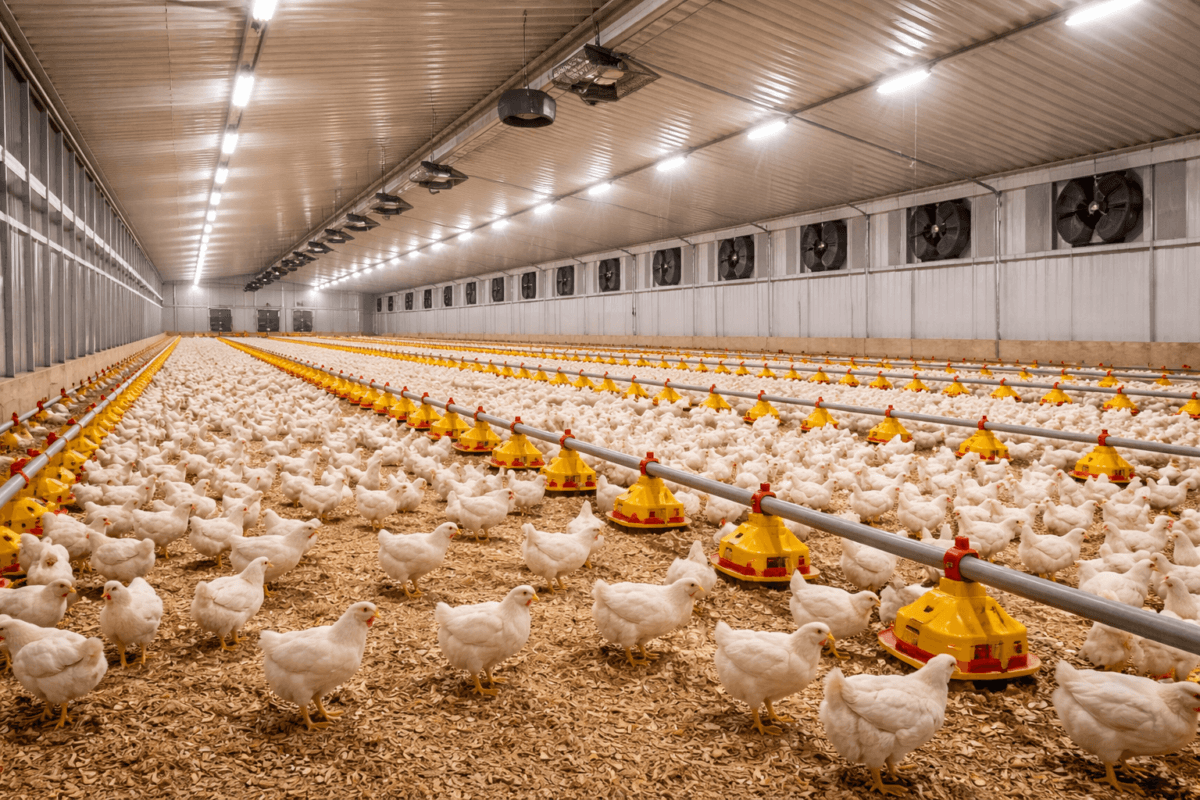
- Overcrowding
- Poor ventilation
- Extreme temperatures
- Loud noises or sudden changes
- Rough handling
- Poor nutrition or water quality
Identifying and correcting these triggers can dramatically reduce stress levels.
How to Reduce Stress in Farm Animals
Preventing stress is easier and more effective than treating its effects.
Practical Stress-Reduction Tips:
- Maintain consistent routines
- Provide clean water and balanced nutrition
- Ensure adequate space and shelter
- Handle animals gently and calmly
- Improve ventilation and temperature control
- Monitor animals daily for behavioral changes
Small adjustments often make a big difference.
The Importance of Early Detection
Ignoring stress signs allows minor issues to escalate into serious health problems. Early detection:
- Reduces veterinary costs
- Improves animal welfare
- Enhances productivity
- Creates a calmer, safer farm environment
Daily observation is one of the most powerful tools farmers have.
Final Thought
Stress in farm animals is not something to overlook or dismiss as “normal.” Subtle changes in behavior, appetite, posture, or productivity are often the first warning signs that something is wrong. By learning to recognize and respond to these signs early, farmers can protect animal health, improve performance, and ensure a more humane and sustainable farming operation.
Healthy animals are calm animals—and a stress-aware farm is a successful farm. 🐄🐐🐑


 Accessories & Others
 Apparel
 Beds & Furniture
 Cages & Accessories
 Carriers & Strollers
 Doors, Gates & Ramps
 Flea & Tick Control
 Grooming
 Litter & Housebreaking
 Memorials & Funerary
 Accessories & Others
 Apparel
 Beds & Furniture
 Cages & Accessories
 Carriers & Strollers
 Cat Doors,Steps, Nets.
 Collars, Harnesses & leashes
 Flea & Tick Control
 Grooming
 Cages& Accessories
 Cow Mastitis Detectors
 Ear Tags
 Aquarium Accessories
 Aquarium Cleaners
 Aquarium Decor
 Aquarium Lights
 Aquarium Pumps & Filter
 Aquariums & Fish Bowls
 Automatic Feeders