Transporting farm animals is a critical part of modern agriculture. Whether moving livestock between pastures, taking animals to market, or transporting them for veterinary care, proper equipment is essential to ensure safety, reduce stress, and comply with animal welfare regulations.
Using the right transport accessories protects both animals and handlers while minimizing injury risks and productivity loss. From trailers and partitions to loading ramps and protective gear, each accessory plays an important role in smooth livestock movement.
This guide covers the most important transport accessories for farm animals and how to choose the best solutions for your farm.
Why Proper Transport Equipment Matters
Poor transportation practices can lead to:
- Animal injuries
- Stress-related weight loss
- Reduced milk production
- Bruising and carcass damage
- Increased disease transmission
Animals experience stress during loading, transit, and unloading. Proper transport accessories help reduce fear, maintain stability, and protect livestock from environmental exposure.
1. Livestock Trailers
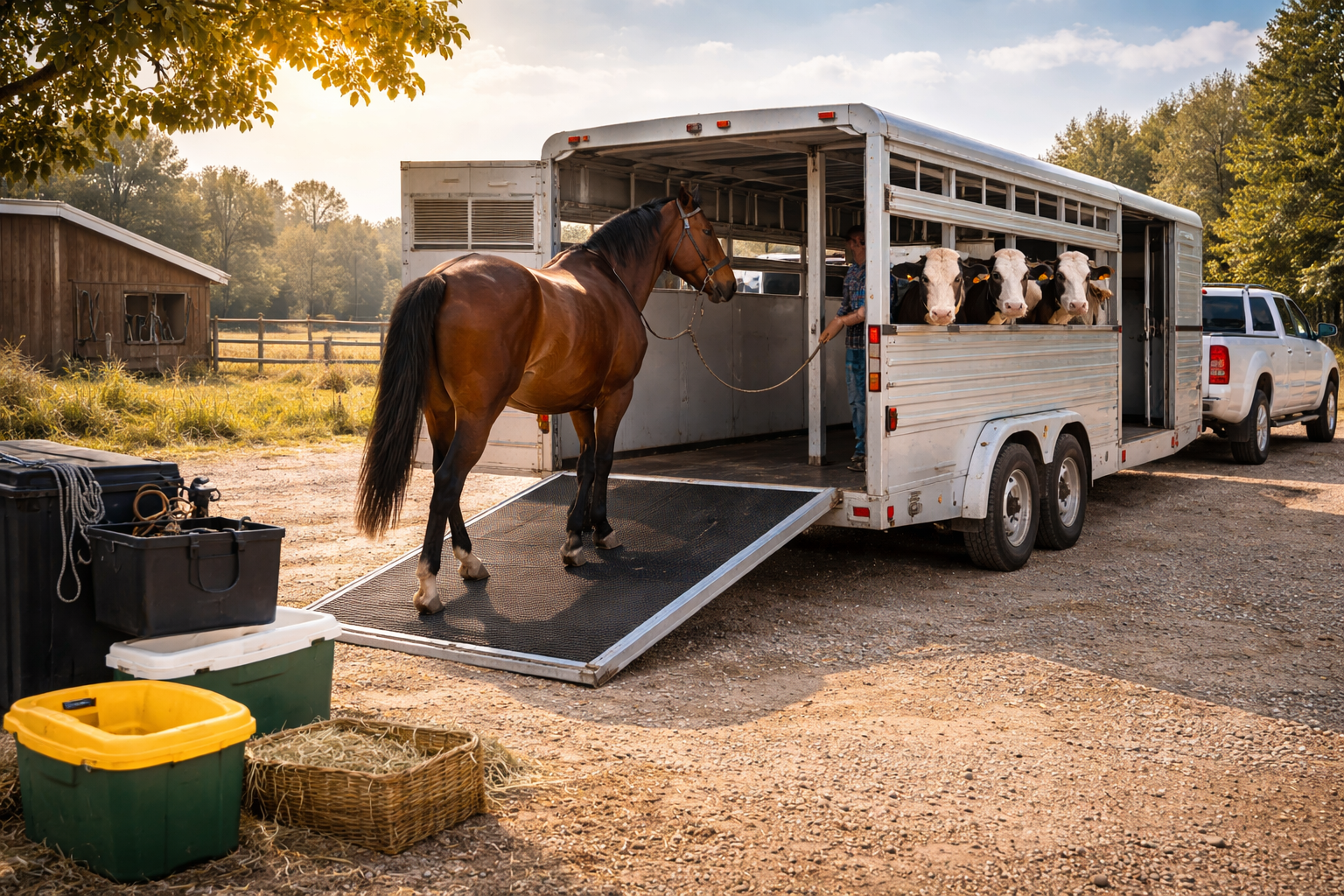
Livestock trailers are the foundation of safe animal transportation.
Types:
- Cattle trailers
- Horse trailers
- Multi-species trailers
- Enclosed transport trailers
Key Features:
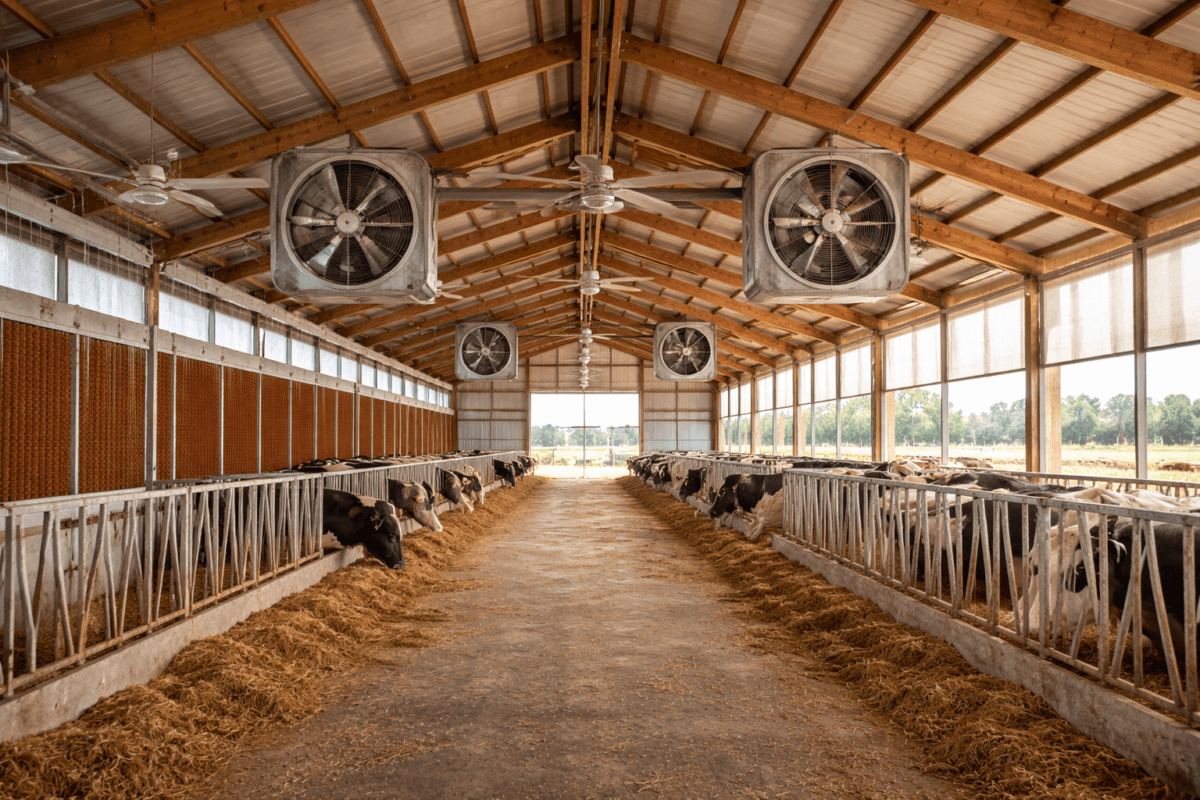
- Proper ventilation
- Non-slip flooring
- Strong side panels
- Secure locking systems
Choose trailer size based on animal type and transport distance to prevent overcrowding.
2. Loading Ramps and Chutes
Loading is one of the most stressful stages of transport.
Benefits:
- Smooth animal movement
- Reduced slipping
- Lower injury risk
- Faster loading process
Adjustable ramps with anti-slip surfaces improve safety for both animals and handlers.
3. Partitions and Dividers
Partitions prevent animals from crowding or falling during transit.
Advantages:
- Improved stability
- Reduced aggression
- Safer transport of mixed groups
Adjustable dividers allow flexibility for different livestock sizes.
4. Non-Slip Flooring Mats
Slippery surfaces increase injury risk.
Recommended Materials:
- Rubber mats
- Grooved metal flooring
- Textured anti-slip panels
Proper flooring reduces leg injuries and stress during travel.
5. Animal Restraints and Halters
Restraints are essential for certain animals, especially horses and cattle.
Uses:
- Securing animals during transport
- Preventing sudden movement
- Maintaining control during loading
Ensure restraints are not too tight to avoid discomfort or breathing issues.
6. Ventilation Systems
Proper airflow prevents overheating and respiratory problems.
Features to Look For:
- Adjustable side vents
- Roof ventilation
- Temperature monitoring
Good ventilation is crucial for long-distance transport.
7. Protective Covers and Weather Shields
Animals need protection from extreme weather conditions.
Protection Against:
- Rain
- Wind
- Direct sunlight
- Cold temperatures
Weather shields help maintain comfort during seasonal transport.
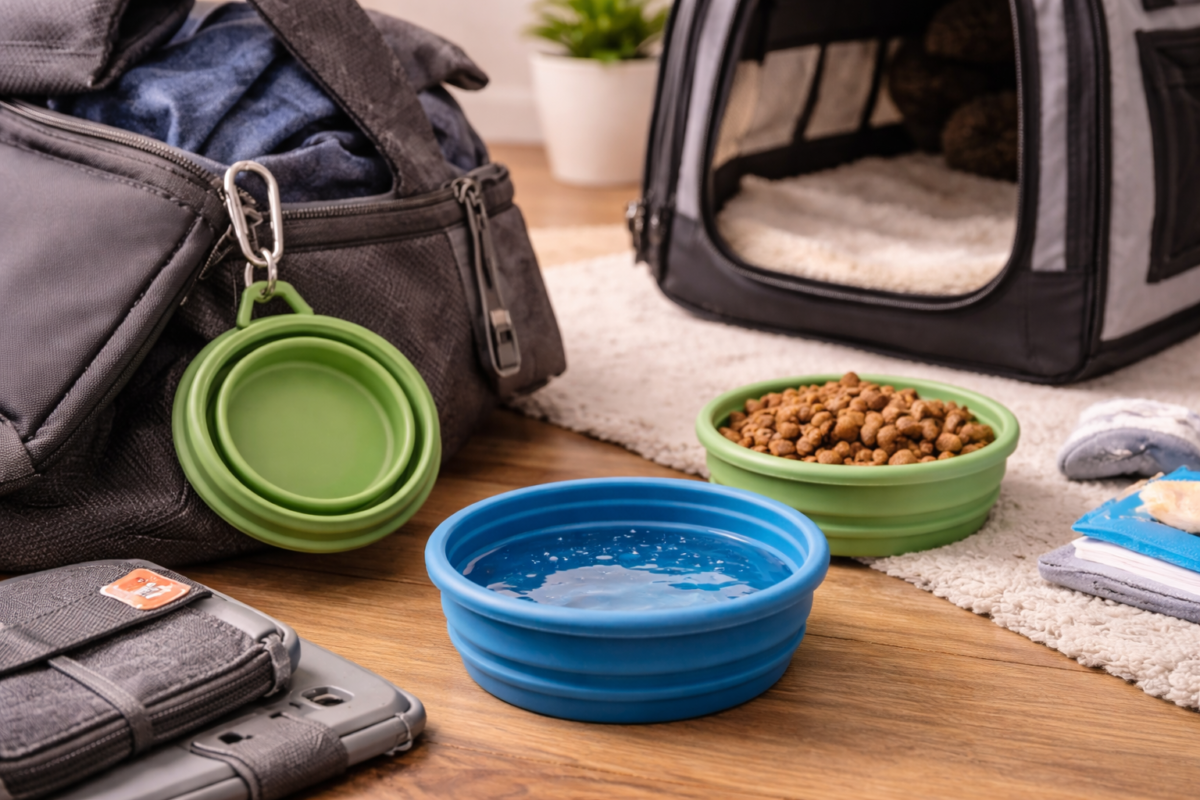
8. Portable Watering and Feeding Systems
For long trips, hydration is essential.
Benefits:
- Prevent dehydration
- Maintain energy levels
- Reduce stress
Portable systems are especially useful for extended transportation.
Animal Welfare During Transport
Maintaining animal welfare is both an ethical and legal responsibility.
Best Practices:
- Avoid overcrowding
- Minimize transport time
- Drive smoothly to reduce sudden stops
- Check animals regularly during long trips
Stress reduction improves animal recovery after arrival.
Transport Planning Checklist
✔ Inspect trailer condition
✔ Test brakes and lights
✔ Ensure proper ventilation
✔ Prepare bedding for comfort
✔ Carry emergency medical supplies
✔ Check weather forecast
✔ Plan rest stops for long journeys
Preparation reduces unexpected risks.
Choosing Accessories Based on Animal Type
Cattle
- Strong partitions
- Non-slip flooring
- Wide loading ramps
Horses
- Individual stall dividers
- Secure halters
- Proper head clearance
Sheep and Goats
- Smaller partitions
- Ventilated trailers
- Anti-slip ramps
Poultry
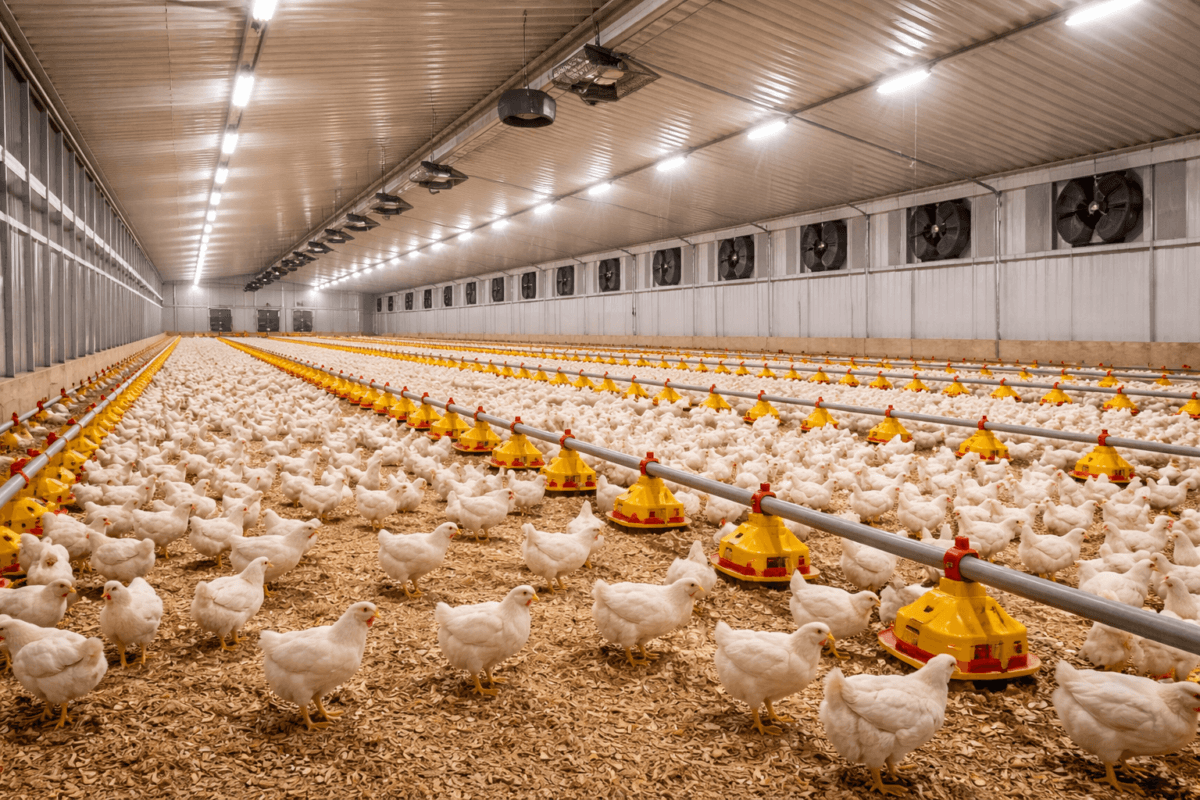
- Specialized crates
- Temperature-controlled vehicles
Each species has unique transport needs.
Cost Considerations
Basic transport accessories like halters and ramps are affordable. However, advanced trailers and automated ventilation systems require significant investment.
While upfront costs may be high, proper equipment reduces:
- Veterinary expenses
- Injury losses
- Productivity drops
- Animal mortality
Investing in quality transport gear improves long-term profitability.
Long-Term Benefits of Proper Transport Accessories
Using appropriate accessories ensures:
- Reduced injury rates
- Lower stress levels
- Higher product quality (meat, milk, eggs)
- Better compliance with welfare regulations
- Improved farm reputation
Safe transport supports sustainable livestock management.
Conclusion
Transport accessories for farm animals are essential for safe, humane, and efficient livestock movement. From trailers and ramps to ventilation systems and protective dividers, every accessory plays a vital role in protecting animals and handlers.
Planning ahead, choosing the right equipment, and following best practices ensure stress-free transportation and better farm outcomes. Proper livestock transport is not just about moving animals—it is about maintaining health, productivity, and animal welfare at every stage.


 Accessories & Others
 Apparel
 Beds & Furniture
 Cages & Accessories
 Carriers & Strollers
 Doors, Gates & Ramps
 Flea & Tick Control
 Grooming
 Litter & Housebreaking
 Memorials & Funerary
 Accessories & Others
 Apparel
 Beds & Furniture
 Cages & Accessories
 Carriers & Strollers
 Cat Doors,Steps, Nets.
 Collars, Harnesses & leashes
 Flea & Tick Control
 Grooming
 Cages& Accessories
 Cow Mastitis Detectors
 Ear Tags
 Aquarium Accessories
 Aquarium Cleaners
 Aquarium Decor
 Aquarium Lights
 Aquarium Pumps & Filter
 Aquariums & Fish Bowls
 Automatic Feeders