Winter brings serious challenges for livestock farmers. Freezing temperatures, snow, cold winds, and reduced daylight can negatively impact animal health, productivity, and farm operations. Proper winter heating solutions are essential to maintain livestock comfort, prevent water freezing, and sustain optimal production levels.
Whether you operate a poultry farm, dairy barn, goat shed, or mixed livestock operation, implementing the right heating system can reduce stress, prevent illness, and protect your investment.
This complete guide covers the best winter heating solutions for farms, including poultry heating systems, barn insulation strategies, radiant heaters, and energy-efficient options.
Why Winter Heating Is Critical for Farms
Cold stress can cause:
- Reduced feed intake
- Lower egg production
- Decreased milk yield
- Slower weight gain
- Increased disease risk
- Frozen water systems
Animals require additional energy to maintain body temperature during winter. A controlled environment reduces feed waste and improves productivity.
Winter Heating Solutions for Poultry Farms
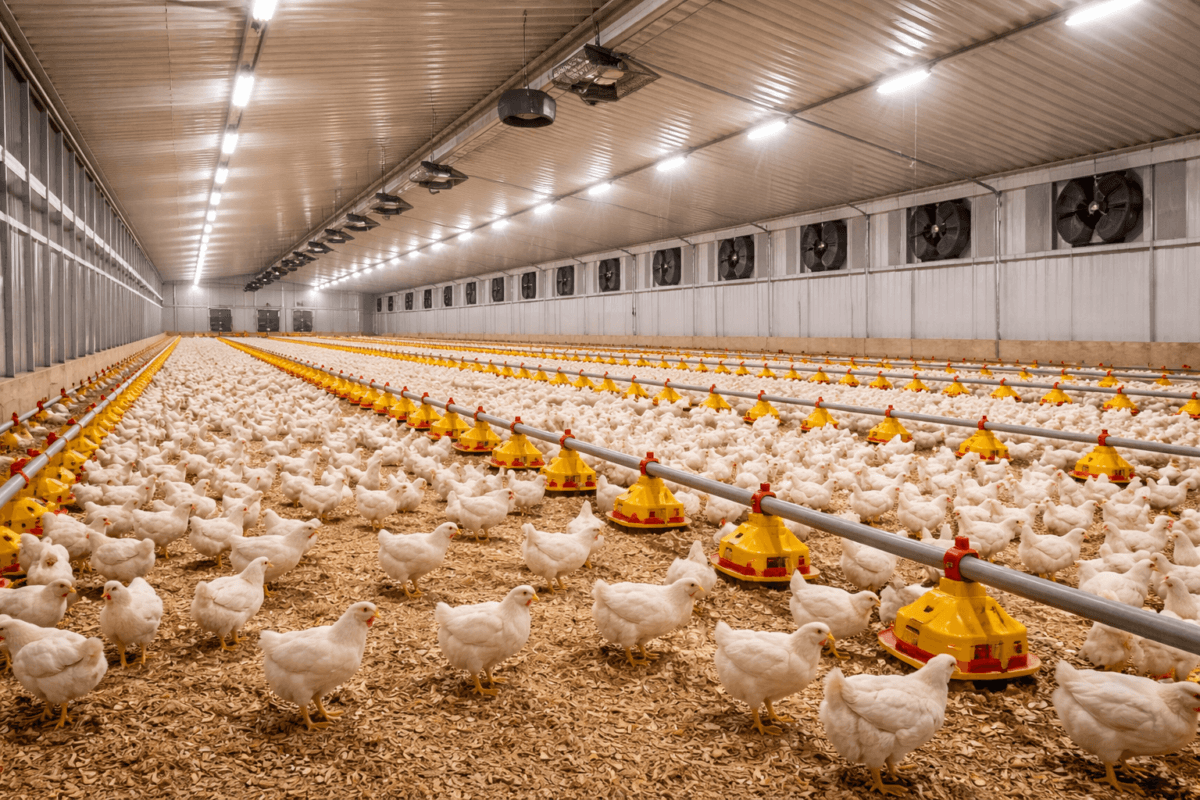
Poultry are highly sensitive to temperature fluctuations, especially chicks and young birds.
1. Infrared Heat Lamps
Infrared heat lamps are commonly used for brooders and small poultry houses.
Benefits:
- Direct radiant heat
- Affordable setup
- Easy installation
However, they require careful placement to avoid fire risks.
2. Gas Brooders & Forced-Air Heaters
Gas brooders are suitable for larger commercial poultry farms.
Advantages:
- Uniform heat distribution
- Suitable for large flocks
- Energy efficient
They maintain stable temperatures even in extreme cold.
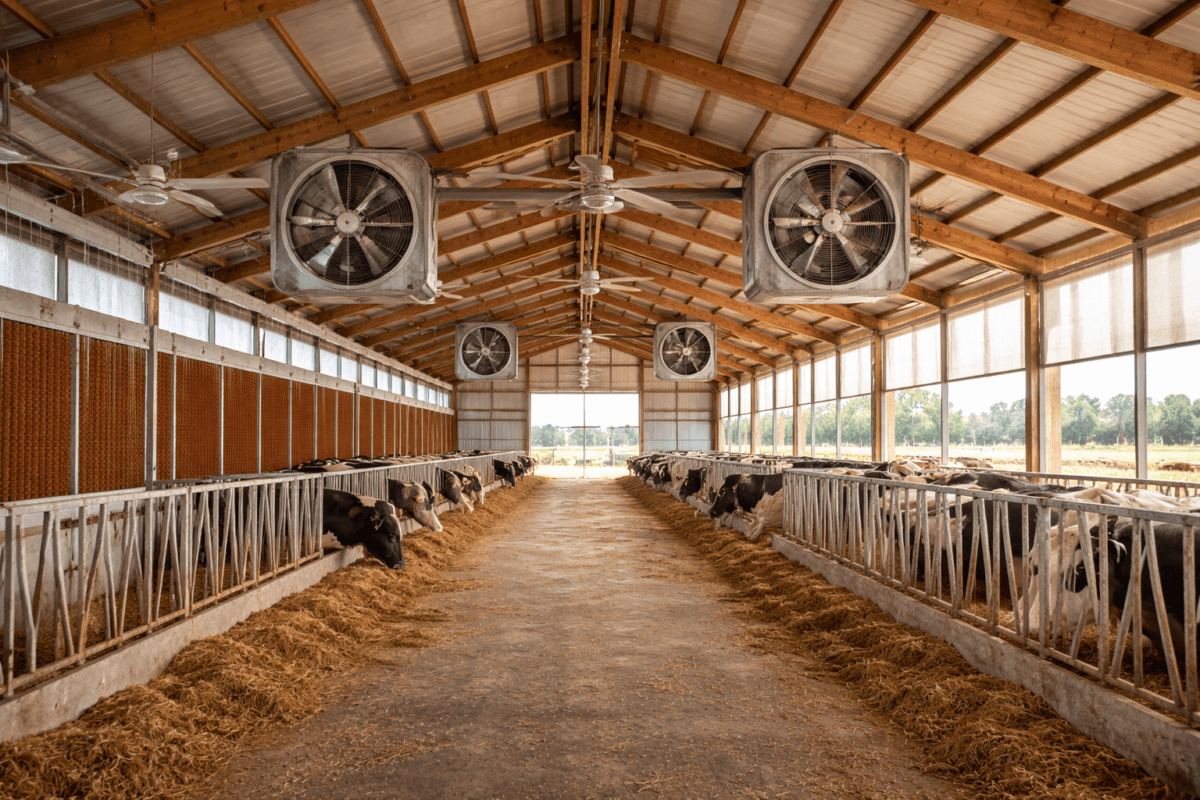
3. Radiant Tube Heaters (Barn Heating)
Radiant tube heaters warm animals directly rather than heating the air.
Best For:
- Dairy barns
- Goat sheds
- Calf housing
They reduce heat loss and improve energy efficiency.
4. Electric Panel & Wall Heaters
Electric heaters are suitable for small barns and enclosed sheds.
Benefits:
- Clean heating
- No gas emissions
- Easy temperature control
Best for smaller operations or supplemental heating.
5. Floor Heating Systems
Radiant floor heating is an advanced solution for dairy farms and calving areas.
Advantages:
- Consistent warmth
- Improved animal comfort
- Reduced moisture buildup
Although expensive initially, it provides long-term benefits.
Insulation: The Most Cost-Effective Solution
Heating systems work best when combined with proper insulation.
Key Insulation Areas:
- Walls
- Roof
- Doors
- Windows
- Vent openings
Using insulated panels reduces heat loss and energy costs.
Ventilation & Heating Balance
Many farmers make the mistake of sealing barns completely during winter. Proper ventilation is still necessary to:
- Remove moisture
- Reduce ammonia buildup
- Maintain air quality
Heating systems should work alongside controlled ventilation.
Preventing Frozen Water Systems
Winter heating must also address water supply.
Solutions:
- Heated water troughs
- Insulated pipes
- Submersible tank heaters
- Heat tape for pipes
Access to fresh water is critical for livestock health.
Bedding & Natural Heat Retention
Deep bedding systems provide insulation and natural warmth.
Benefits:
- Composting bedding generates heat
- Reduces moisture
- Improves animal comfort
Straw and wood shavings are common winter bedding materials.
Solar Heating & Renewable Options
For eco-conscious farms, renewable heating options are growing in popularity.
Examples:
- Solar air heaters
- Solar-powered ventilation fans
- Biomass heating systems
These reduce energy costs in the long term.
Temperature Guidelines by Animal Type
- Broiler chickens: 18–24°C
- Layer hens: 16–21°C
- Dairy cows: 5–20°C (they tolerate cold better)
- Newborn calves: 15–20°C
- Goats & sheep: 10–18°C
Young animals require more protection than adults.
Choosing the Right Heating System
Consider the following before investing:
1. Farm Size
Large barns need industrial heating systems.
2. Livestock Type
Poultry require more controlled environments than cattle.
3. Climate Severity
Colder regions need higher-capacity systems.
4. Budget
Balance installation cost with operating expenses.
5. Energy Source Availability
Electricity, propane, natural gas, or solar options.
Safety Tips for Winter Heating
Safety is critical in farm environments.
- Keep heaters away from bedding
- Inspect gas lines regularly
- Install fire extinguishers
- Use thermostats for temperature control
- Monitor carbon monoxide levels
Regular equipment checks prevent accidents.
Common Winter Heating Mistakes
- Overheating barns
- Ignoring ventilation
- Poor insulation
- Delaying maintenance
- Using unsafe heat sources
Balanced temperature management is key.
Benefits of Proper Winter Heating
A well-planned winter heating system provides:
- Improved productivity
- Reduced mortality
- Lower feed costs
- Better weight gain
- Stronger immunity
- Higher milk and egg output
Investing in winter heating protects long-term farm profitability.
Final Thoughts
Winter can be one of the most challenging seasons for livestock farmers. Proper heating solutions — combined with insulation, ventilation, and water protection — ensure animal comfort and sustained productivity.
From infrared heat lamps for poultry to radiant tube heaters for barns, choosing the right heating system depends on farm size, climate, and livestock type. Energy-efficient and well-maintained systems reduce costs and protect your animals during harsh weather conditions.
Planning ahead before winter arrives ensures smooth farm operations and healthy livestock throughout the season.


 Accessories & Others
 Apparel
 Beds & Furniture
 Cages & Accessories
 Carriers & Strollers
 Doors, Gates & Ramps
 Flea & Tick Control
 Grooming
 Litter & Housebreaking
 Memorials & Funerary
 Accessories & Others
 Apparel
 Beds & Furniture
 Cages & Accessories
 Carriers & Strollers
 Cat Doors,Steps, Nets.
 Collars, Harnesses & leashes
 Flea & Tick Control
 Grooming
 Cages& Accessories
 Cow Mastitis Detectors
 Ear Tags
 Aquarium Accessories
 Aquarium Cleaners
 Aquarium Decor
 Aquarium Lights
 Aquarium Pumps & Filter
 Aquariums & Fish Bowls
 Automatic Feeders